What Are Polymers? A Simple Guide to the Building Blocks of Plastic
Justin Brown
January 8th, 2026
What do plastic bottles, rubber bands, and your own DNA have in common? They’re all made of polymers. These long chains of molecules form the materials we use every day.
This guide explains what polymers are, how they work, and why they matter for plastic materials and manufacturing. We’ll cover the science in simple terms. We’ll explore natural versus synthetic types. And we’ll show how these materials connect to real-world products. By the end, you’ll understand why polymers are the foundation of modern plastic manufacturing.
What Are Polymers?
Polymers are large molecules made of many smaller units called monomers. These monomers link together in long chains, like beads on a necklace. Polymers can be natural (like rubber, silk, and DNA) or synthetic (like plastic, nylon, and polyester). Their structure gives them useful properties such as flexibility, strength, and resistance to heat or chemicals. Manufacturers use synthetic polymers to create plastic parts, packaging, textiles, and thousands of other products. According to Britannica, polymers make up many of the materials in living organisms and form the basis of man-made materials like plastics and rubbers.
What Are Polymers? (The Simple Explanation)
Polymers are large molecules. They form when smaller units called monomers link together over and over. Think of it like a paper clip chain. Each clip is a monomer. Connect enough clips, and you get a polymer.
The word itself tells the story. “Poly” means many. “Mer” means part. So a polymer is simply many parts joined together.
When we explain polymers to clients, we often compare them to a train. Each car is a monomer. Link enough cars together, and you get a polymer. The longer the chain, the stronger the material tends to be.
Polymers exist everywhere. You’ll find them in nature. Trees make cellulose. Spiders spin silk. Your body builds proteins. You’ll also find polymers in factories. Workers create plastics, nylons, and rubber compounds. Whether natural or man-made, all polymers share that same basic structure: small units repeated in long chains.
→ Looking for the right polymer for your project? Explore the materials we work with at Freeform Polymers.
Natural vs. Synthetic Polymers
Polymers fall into two main groups based on where they come from.
Natural polymers form in plants, animals, and living cells. You already know many of them:
Rubber from tree sap
Silk from silkworms
Wool from sheep
Cellulose from wood and cotton
Proteins in your muscles
DNA in every living cell
Synthetic polymers are made by people in labs and factories. Common examples include:
Plastic (polyethylene, polypropylene)
Nylon (clothing, rope)
Polyester (fabric, bottles)
PVC (pipes, flooring)
The key difference is the source. Natural polymers grow in nature. Synthetic polymers come from chemical processes, usually starting with oil or natural gas.
Both types have useful traits. But synthetic polymers offer one big advantage. Engineers can design them for specific jobs. Need a material that handles high heat? There’s a polymer for that. Need one that bends without breaking? That exists too. This control is why most plastics used in manufacturing are synthetic.
Natural Polymers
Synthetic Polymers
Found in nature
Made in labs or factories
Rubber, silk, wool, cellulose, DNA
Plastic, nylon, polyester, PVC
Limited control over properties
Engineered for specific needs
Common Examples of Polymers
You use polymers every day. Here are the most common ones and where you’ll find them.
Polymer
Type
Common Uses
Polyethylene (PE)
Synthetic
Grocery bags, bottles, toys
Polypropylene (PP)
Synthetic
Food containers, car parts, medical devices
Polyvinyl chloride (PVC)
Synthetic
Pipes, flooring, cable insulation
Polystyrene (PS)
Synthetic
Foam cups, packaging, insulation
Nylon
Synthetic
Clothing, rope, mechanical parts
Rubber
Natural
Tires, gloves, seals
Cellulose
Natural
Paper, cotton fabric, cardboard
Silk
Natural
Fabric, surgical thread
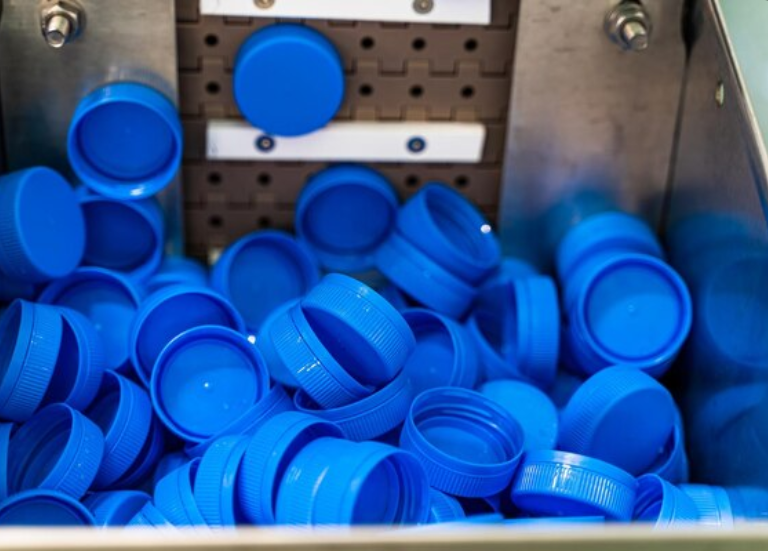
Polyethylene is the most common plastic in the world. It shows up in everything from milk jugs to playground equipment. Polypropylene ranks second. You’ll find it in yogurt cups, bottle caps, and under the hood of your car.
Natural polymers still play a big role too. Rubber keeps tires gripping the road. Cellulose makes the paper in your notebook. Silk has been prized for clothing for thousands of years.
Each polymer has strengths that match certain jobs. That’s why manufacturers choose specific types for specific products.
Key Properties That Make Polymers Useful
Polymers earn their place in manufacturing because of what they can do. Here are the traits that matter most.
Flexibility. Many polymers bend without breaking. This makes them ideal for bags, tubing, and hinges.
Strength. Some polymers rival metals in durability. Nylon gears run inside machines. High-density plastics form hard hats and tool cases.
Lightweight. Polymers weigh far less than glass or metal. A plastic bottle weighs a fraction of a glass one. This cuts shipping costs and fuel use.
Resistance. Many polymers stand up to heat, chemicals, water, or electricity. PVC pipes handle decades of water flow. Polyethylene lines chemical tanks.
Moldability. Heat a polymer and it softens. Pour it into a mold and it takes any shape. Cool it and it holds that form. This simple cycle drives plastic manufacturing.
Clients often ask why we recommend polypropylene for food containers. It’s lightweight. It handles heat from dishwashers and microwaves. And the FDA approves it for food contact. That’s a perfect example of matching polymer properties to the job.
The right polymer can mean the difference between a product that lasts and one that fails. Each project needs a material that fits its demands.
How Polymers Are Used in Plastic Manufacturing
Synthetic polymers are the raw materials for plastic parts. Without them, injection molding wouldn’t exist.
The process works like this:
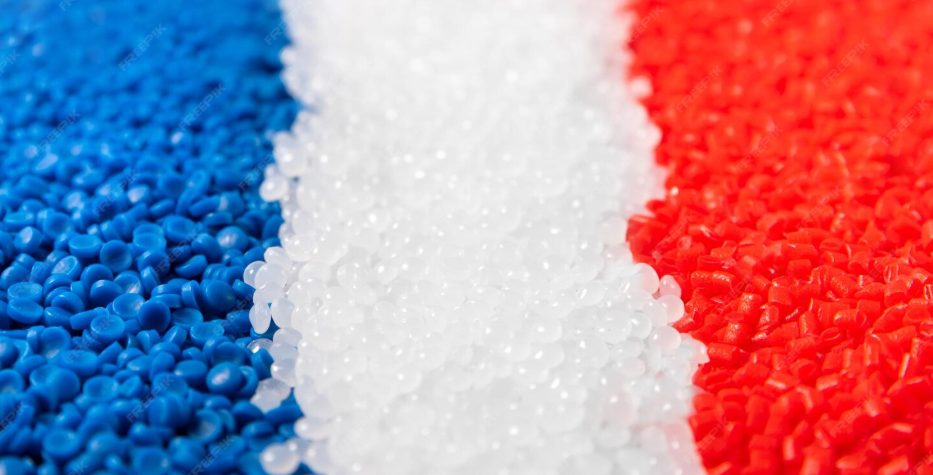
Polymer pellets arrive at the facility. They look like small beads or rice grains.
A machine heats the pellets until they melt into liquid form.
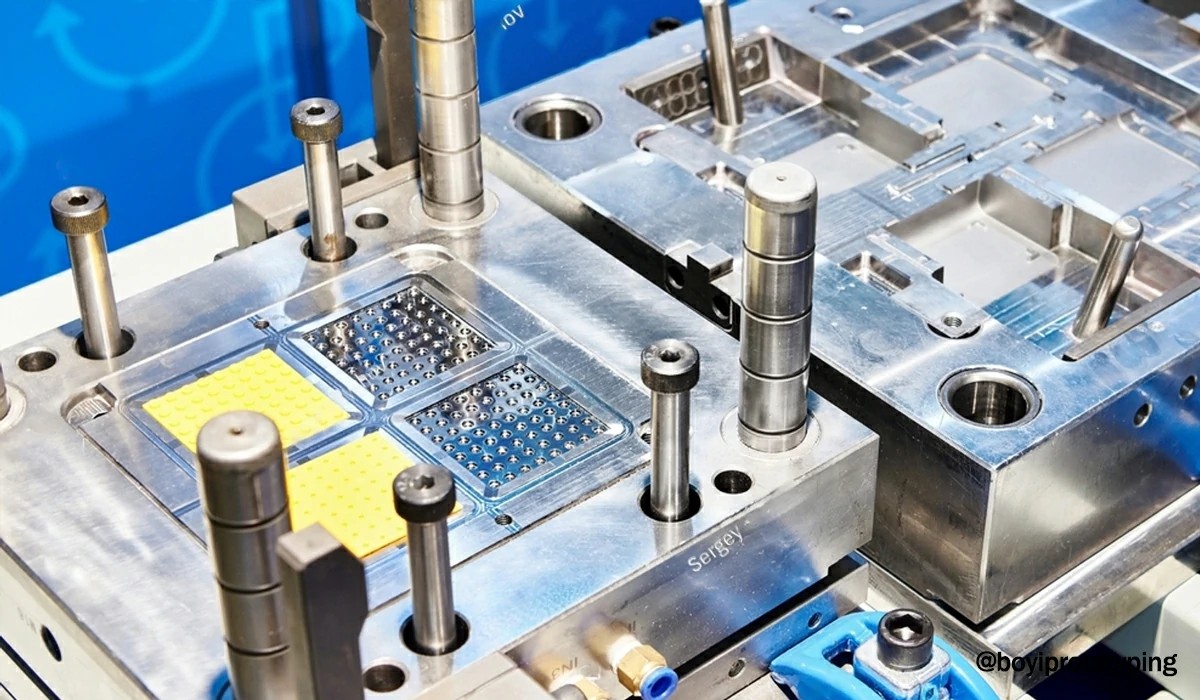
The liquid polymer gets injected into a steel mold under pressure.
The material cools and hardens into the shape of the mold.
The finished part ejects, and the cycle repeats.
Choosing the right polymer affects everything. Strength. Flexibility. Heat resistance. Cost. A medical device housing needs different properties than a toy or a car part.
In our North Logan facility, we match polymer selection to each client’s specs. A part that faces outdoor weather needs UV resistance. A component near an engine needs heat tolerance. A food-contact item needs FDA-approved materials. We work through these choices before production begins.
The polymer you pick shapes the product you get. That’s why material selection is one of the first conversations we have with every client.
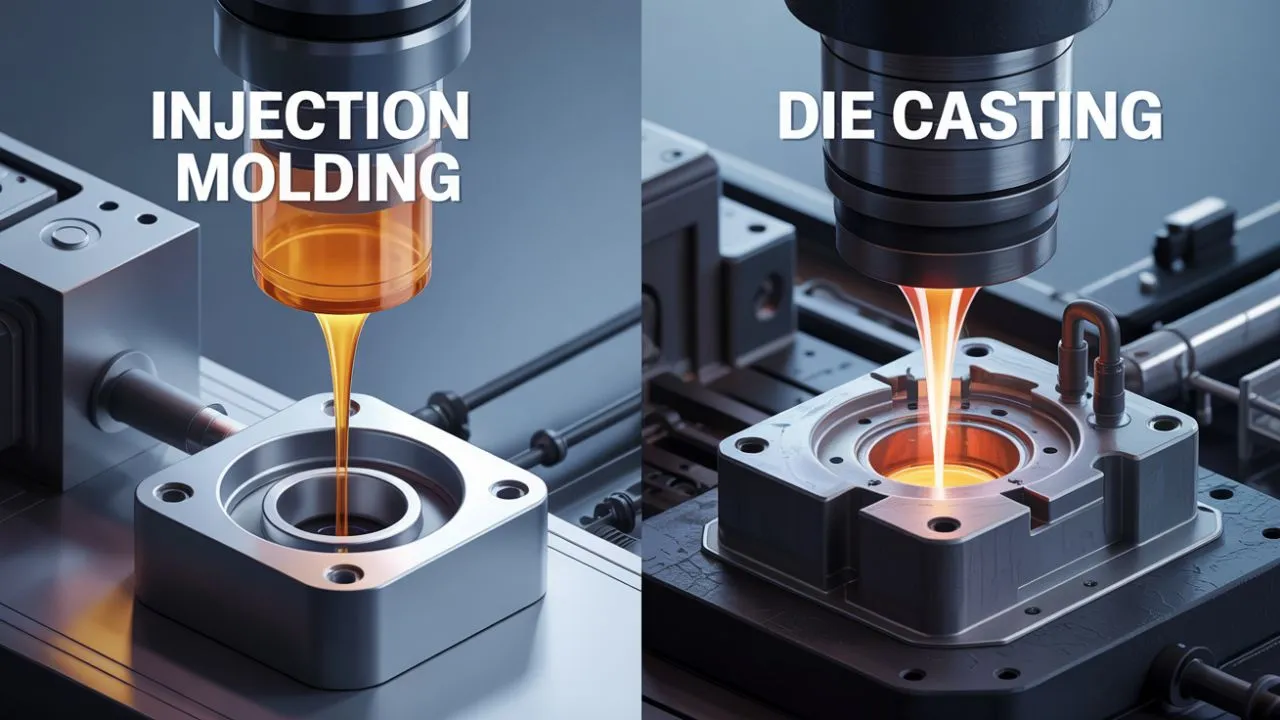
Should your part be plastic or metal? That question decides whether you need injection molding or die casting. Both processes push melted material into a mold under pressure. From across…
Is it cheaper to build your mold overseas or here at home? The honest answer depends on what you actually count. Many buyers compare domestic vs overseas injection molding using…
You have a part to make. Someone mentioned CNC turning or CNC milling. Maybe both came up. They sound alike, but they are not the same process. Picking the wrong…
You’ve probably seen the letters “ISO 9001:2015” on a badge or a website. It might look like just another logo. But it means something specific. ISO 9001:2015 certification tells you…
If you’ve gotten quotes from two injection molding companies, you may have noticed something. One mentions a hydraulic machine. The other mentions an electric machine. You might wonder if that…
Combining metal with plastic takes a different process than adding a soft grip to a hard plastic part. Both are common in insert molding and overmolding, but they solve different…
Not all injection molds are built the same way. At Freeform Polymers, we’ve seen how the type your part needs can change your tooling cost by thousands of dollars. That…
Ever gotten a design review back with a flag that says “insufficient draft”? You had no idea what that meant. It’s one of the most common notes molders give on…