Plastic Molding: A Simple Guide to How It Works and Why It Matters
Bernadette Tixon
December 18th, 2025
Have you ever wondered how phone cases, car dashboards, and food containers are made? The answer is plastic molding. This process shapes over 400 million metric tons of plastic produced worldwide each year.
This guide explains plastic molding in plain terms so you can understand how it works. We’ll cover what it is, walk through the main types, and help you see which method fits your project. By the end, you’ll know enough to have a real conversation with any manufacturer.
What Is Plastic Molding?
Plastic molding is a manufacturing process that shapes heated plastic into specific forms using a mold. The basic steps include: (1) heating plastic material until it melts, (2) forcing or placing the melted plastic into a mold cavity, and (3) cooling the plastic until it hardens into the final shape. Common types include injection molding, blow molding, rotational molding, and compression molding. Each method works best for different product shapes and production volumes. Plastic molding creates everything from medical devices to automotive parts.
Plastic molding is a way to shape melted plastic using a mold. Think of it like pouring cake batter into a pan. The mold gives the plastic its final form.
This process dates back to the late 1800s. Back then, manufacturers shaped simple items like combs and buttons. Today, the same basic idea creates millions of complex parts. The Society of Plastics Engineers, founded in 1942, continues to advance knowledge and education for professionals in this field.
The core principle is simple: heat, shape, cool. You heat raw plastic until it flows. You push or pour it into a mold. You let it cool and harden. Then you have a finished part.
Plastic molding matters because it lets you make the same part over and over. Each piece comes out identical to the last. You can produce thousands or millions of parts with consistent quality. Complex shapes that would be hard to carve or cut become easy to mold.
In our North Logan shop, we describe it to clients as controlled shaping. You control the heat, the pressure, and the cooling time. That control gives you a reliable, repeatable result every time.
How the Plastic Molding Process Works
The plastic molding process follows five main steps. Each step affects the quality of your finished part.
Step 1: Select and prepare raw plastic. Plastic comes in pellets, powder, or sheets. The form you use depends on the molding method. Your material choice also matters. Each plastic type requires different processing temperatures.
Step 2: Heat the plastic to its processing temperature. Each plastic type has a specific temperature range for molding. ABS, for example, processes between 220°C and 250°C. Getting this right prevents defects in the final part.
Step 3: Transfer the melted plastic into the mold cavity. Some methods inject the plastic under high pressure. Others let gravity or rotation do the work. The mold shape determines what your part looks like.
Step 4: Cool and solidify. The plastic hardens as it cools inside the mold. Cooling time varies based on part thickness and material type. Rushing this step can cause warping.
Step 5: Eject the finished part and trim if needed. The mold opens and releases your part. Some parts need extra trimming to remove excess material from edges or gate marks.
Cycle times range from a few seconds to several minutes. Thin-walled parts can cycle in as little as two to five seconds. Thick or complex parts may take up to ten minutes.
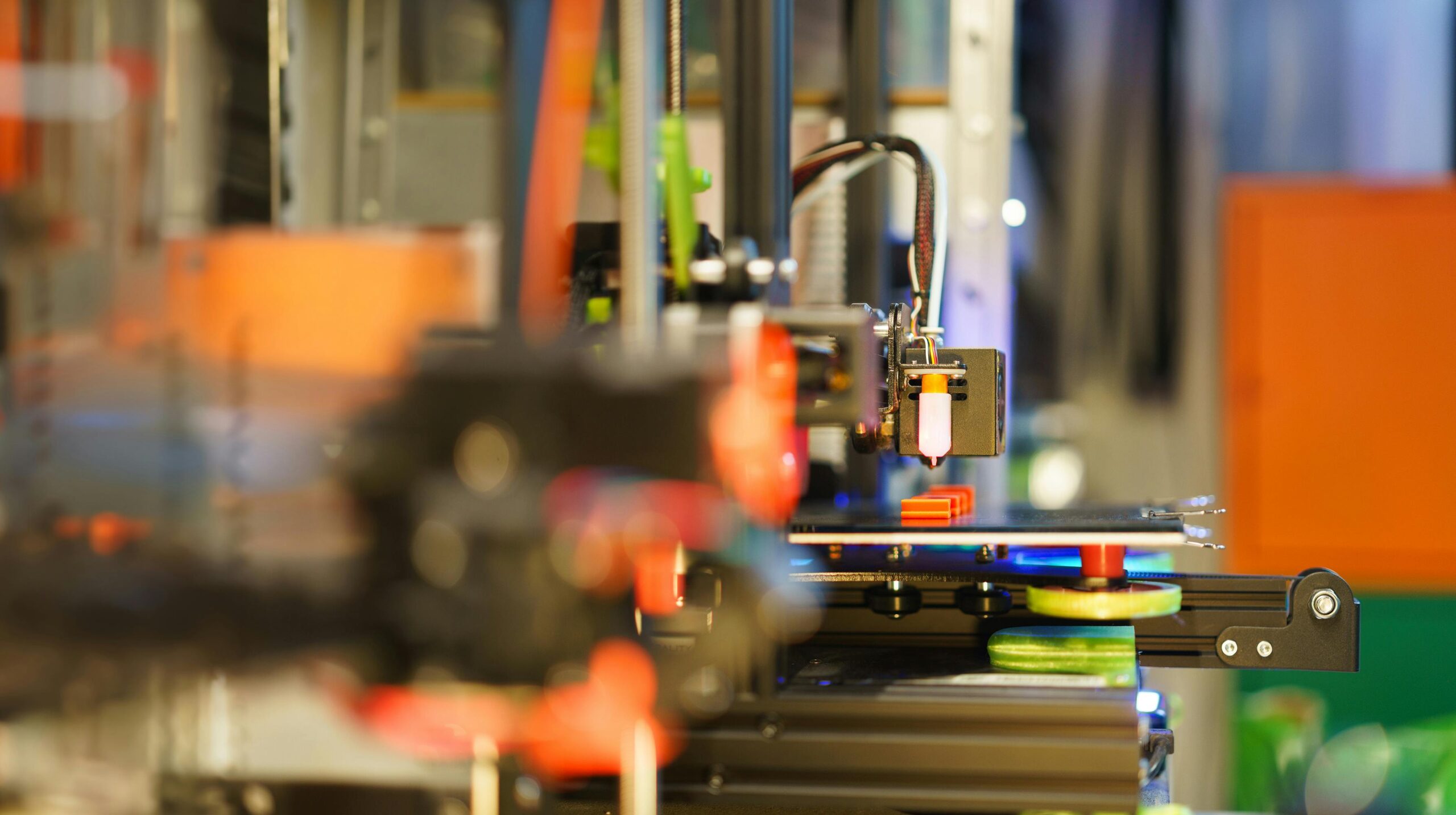
close up portrait of the machine in processing of metal product
Main Types of Plastic Molding Methods
Different projects call for different molding methods. Here are the five most common types and when to use each one.
Injection molding forces melted plastic into a mold under high pressure. This method handles complex shapes with tight tolerances. It works best for high-volume production runs.
Blow molding creates hollow items like bottles and tanks. Air pressure pushes melted plastic against the mold walls. Think of blowing up a balloon inside a container.
Rotational molding spins a mold while heating plastic inside. The plastic coats the mold walls evenly. This method produces large, seamless, hollow products like kayaks or storage tanks.
Compression molding presses plastic material between two heated mold halves. It works well for high-strength parts and thermoset plastics. Automotive and electrical parts often use this method.
Thermoforming heats a plastic sheet until soft, then stretches it over a mold. Vacuum or pressure holds it in place while it cools. Packaging trays and thin-walled products use this approach.
Method
Best Use
Volume
Injection molding
Complex, precise parts
High
Blow molding
Hollow containers
Medium to high
Rotational molding
Large hollow items
Low to medium
Compression molding
High-strength parts
Medium
Thermoforming
Packaging, thin walls
Medium to high
Common Plastic Molding Materials
The plastic you choose affects strength, flexibility, heat resistance, and cost. Materials fall into two main groups.
Thermoplastics can be melted and reshaped multiple times. They soften when heated and harden when cooled. Most molded parts use thermoplastics because they’re easier to work with and recycle.
Popular thermoplastics include:
ABS – tough and impact-resistant, used in electronics housings and automotive trim
Polypropylene – lightweight and chemical-resistant, common in packaging and containers
Polyethylene – flexible and durable, found in bottles and plastic bags
Polycarbonate – clear and strong, used in safety glasses and medical devices
Thermosets harden permanently after molding. You cannot remelt them. They handle high heat and stress better than most thermoplastics.
Popular thermosets include:
Epoxy – strong adhesion and electrical resistance
Phenolic – heat-resistant, used in electrical components
Melamine – scratch-resistant, found in dinnerware and laminates
Your material choice depends on what your part needs to do. A flexible lid needs different plastic than a rigid gear. Heat exposure, chemical contact, and load-bearing all factor into the decision.
At Freeform Polymers in North Logan, we often recommend polypropylene for food-safe containers because it resists chemicals and cleans easily.
Plastic Molding Applications by Industry
Plastic molding serves nearly every industry. Here are the most common sectors and what they produce.
Automotive relies on plastic molding for dashboards, bumpers, interior trim, and under-hood components. Plastic parts reduce vehicle weight and improve fuel efficiency. The automotive sector accounts for a significant share of global plastic molding demand.
Medical devices depend on precise, sterile plastic parts. Syringes, device housings, surgical tool handles, and diagnostic equipment all use molded plastic. Tight tolerances and material traceability matter here.
Consumer goods fill homes with molded plastic. Toys, kitchenware, electronics enclosures, and household tools all start as raw pellets. High-volume production keeps costs low for everyday items.
Packaging protects and presents products. Food containers, bottle caps, clamshell cases, and protective inserts use various molding methods. Speed and consistency drive this market.
Industrial applications need durable, functional parts. Equipment housings, gears, connectors, and machine guards handle tough conditions. These parts often require specific strength or chemical resistance.
Our team at Freeform Polymers in North Logan works with clients across these industries. We see firsthand how the right molding method and material solve real production challenges.
Inside of factory unit with new modern computerized equipment and mechanisms and box with swarf. Photo with depth of field
How to Choose the Right Plastic Molding Method
Picking the right method saves time and money. Consider these factors before you start.
Part complexity. Simple shapes work with most methods. Intricate geometries with tight tolerances need injection molding. Hollow parts point toward blow molding or rotational molding.
Production volume. Making ten prototypes differs from making ten thousand units. Injection molding has higher upfront tooling costs but lower per-part costs at scale. Thermoforming or rotational molding may cost less for smaller runs.
Material requirements. Some methods only work with certain plastics. Compression molding handles thermosets well. Injection molding excels with thermoplastics. Match your method to your material.
Budget and timeline. Mold tooling takes time to design and build. Complex molds cost more. If you need parts fast, ask about existing tooling or lower-cost mold options.
When in doubt, consult a specialist. A common mistake we see is clients choosing blow molding when injection molding would give them better part strength and tighter tolerances. The right guidance early prevents costly changes later.
Is plastic injection molding the right choice for your custom parts—or will the upfront costs outweigh the benefits? That’s a fair question. Tooling can run into the tens of thousands…
Need parts made to your exact specs—not pulled from a catalog? That’s where custom manufacturing comes in. The global injection molding market hit $295 billion in 2024 alone. Much of…
The global plastic injection molding market is projected to reach $419.1 billion by 2030. But as demand grows, so does pressure to address environmental concerns. Is plastic injection molding actually…
If you work near injection molding machines or plan to source molded parts, you may wonder: is plastic injection molding safe? The short answer is yes—when facilities follow proper precautions.…
What if you could get a plastic that takes a beating but doesn’t drain your budget? Good news—several options fit that bill. HDPE costs around $0.60–$1.00 per pound. Yet it…
Need a plastic part that won’t crack, shatter, or fail under pressure? Choosing the right material can make or break your product. Here’s a fact that might surprise you: Some…
What do plastic bottles, rubber bands, and your own DNA have in common? They’re all made of polymers. These long chains of molecules form the materials we use every day.…
The global injection molded plastics market is projected to reach over $423 billion by 2030, according to Grand View Research. That number tells a simple story: plastic parts are everywhere.…