5 Types of Plastic Molding Services Explained (North Logan Guide)
braydonpaul
November 8th, 2025
Choosing the wrong plastic molding process can cost you thousands in tooling and waste. Most product developers don’t know the five core methods before they call a manufacturer. North Logan businesses and engineers face a common challenge: finding the right plastic molding method for prototypes, short runs, or high-volume production without overpaying for the wrong process.
This guide breaks down the five main types of molding services in North Logan. We help you match your project requirements to the right manufacturing process before you request a quote.
You’ll learn how extrusion, compression, blow, injection, and rotational molding differ. We show you real-world applications for each method. You’ll discover which process aligns with your volume, complexity, and material needs.
Each molding type suits different production goals. Some excel at continuous shapes. Others handle complex precision parts. We explain what works for hollow containers, large panels, and high-volume components. By the end, you’ll know which questions to ask and which process fits your project.
What are the 5 types of plastic molding?
The five primary types of plastic molding are:
Extrusion molding – Melts plastic and forces it through a die to create continuous shapes like pipes and tubing
Compression molding – Presses heated plastic into a mold cavity, ideal for large flat parts
Blow molding – Inflates heated plastic inside a mold to form hollow objects like bottles
Injection molding – Injects molten plastic into precision molds for complex, high-volume parts
Rotational molding – Rotates heated molds to coat interiors evenly, producing large hollow items like tanks
Each method suits different production volumes, part complexity, and material types. Most North Logan molding services specialize in 1–3 of these processes based on equipment and expertise.
1. Extrusion Molding: Continuous Shape Production
Extrusion molding melts plastic pellets and forces the material through a custom die shape. The die determines the final profile. As plastic exits the die, it cools and hardens into a continuous length. You can cut this length to any size you need.
This process works well with PVC, polyethylene, polystyrene, and ABS materials. These plastics melt consistently and hold their shape after cooling. The continuous nature means high output speeds. You get steady production without starting and stopping between parts.
Extrusion offers lower tooling costs than injection molding for simple profiles. The dies are less complex than injection molds. You don’t need the same level of precision for continuous shapes. This makes extrusion affordable for long runs of uniform cross-sections.
Production volumes can be high because the process runs continuously. Speed varies by product type—from slower rates for thick-walled profiles to faster speeds for films and simple shapes. However, extrusion only works for parts with a consistent cross-section along their length. If your part needs complex features or varying thickness, you’ll need a different method.
Some clients mistakenly request extrusion for discrete parts with unique geometries. Extrusion cannot produce individual pieces with different shapes in each run. It creates one continuous profile that you cut to length. Learn more about the extrusion process from UMass Lowell’s Plastics Engineering program.
Common Applications for Extrusion Molding
Pipes and tubing for plumbing, medical, and industrial use
Window frames and door profiles
Wire insulation and cable sheathing
Weatherstripping and seals
Plastic sheets and films
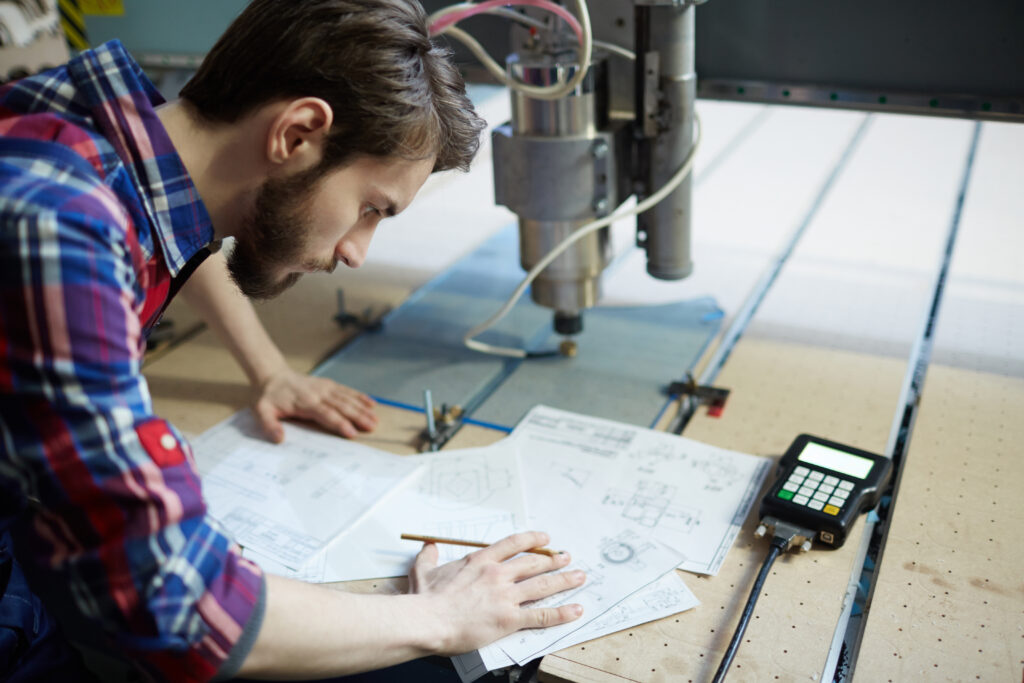
Young engineer concentrating on sketch of project
2. Compression Molding: High-Strength Large Parts
Compression molding uses a preheated plastic charge pressed between heated mold halves. The plastic softens under heat and pressure. It fills the mold cavity and takes the shape of the tool. Once cured, the part is removed and the cycle repeats.
This process works best with thermoset plastics and composites. Materials like phenolic, melamine, and fiberglass-reinforced plastics perform well. These materials cure permanently under heat. They cannot be remelted like thermoplastics.
Compression molding requires lower pressure than injection molding. This reduces stress on tooling and equipment. The process uses preformed material charges for consistent fill. Thick parts mold well because pressure distributes evenly throughout the cavity.
Cycle times are slower than injection molding. The heating and curing process takes longer. Complex geometries with fine details are harder to achieve. The pressing action limits how intricate features can be. Flash removal requires trimming after molding.
Cost profiles fall in the moderate range. Tooling costs less than injection molds but more than extrusion dies. This method works efficiently for medium production runs between 100 and 10,000 units. Beyond that volume, injection molding often becomes more economical.
Common Applications for Compression Molding
Automotive parts like hoods, fenders, and large panels
Electrical components and housings
Appliance parts and handles
Large flat trays and containers
High-strength industrial components
3. Blow Molding: Hollow Container Production
Blow molding creates hollow plastic parts by inflating heated plastic inside a mold cavity. Three types exist: extrusion blow, injection blow, and stretch blow molding. Each variation suits different container sizes and shapes.
The process starts with a heated plastic tube called a parison. Air inflates the parison until it presses against the mold walls. The plastic cools and hardens into the mold shape. The result is a hollow part with uniform wall thickness.
Material options are limited to certain thermoplastics. HDPE, LDPE, PP, and PET work well for blow molding. These materials soften consistently and inflate without tearing. Other plastics don’t have the right properties for this process.
Blow molding excels at thin-walled, lightweight, hollow objects. The walls stay consistent throughout the part. This makes containers and bottles cost-effective to produce. Parts that need varying wall thickness or solid sections require different methods.
We’ve worked with clients who initially requested blow molding for parts with uneven wall requirements. Those projects needed to switch to rotational molding. Blow molding cannot create intentional thickness variations during the inflation process.
Common Applications for Blow Molding
Beverage bottles and food containers
Shampoo and detergent bottles
Automotive fluid reservoirs
Toys and sporting goods like hollow balls and playground equipment
Injection molding injects molten plastic under high pressure into precision steel or aluminum molds. The plastic fills every detail of the mold cavity. It cools and solidifies quickly. The mold opens and ejects the finished part.
This method dominates manufacturing for good reasons. Design flexibility is extreme. Tight tolerances reach ±0.001 inches for precision components. Fast cycle times mean high output. You can produce thousands of identical parts with consistent quality.
Material versatility sets injection molding apart. It works with 85% or more of thermoplastics and some thermosets. You can choose materials based on strength, flexibility, temperature resistance, or chemical properties. The range covers nearly any product requirement.
Economics favor high-volume production. Upfront tooling costs range from $3,000 to $100,000 or more depending on complexity. Per-unit costs drop significantly at volume. Production runs of 1,000 units or more typically justify the initial investment.
Secondary operations integrate well with injection molding. Overmolding adds soft-touch grips or seals. Insert molding encapsulates metal components. Multi-material molding combines different plastics in one part. These capabilities expand what you can design.
In the Logan area, prototype molds typically take 2-4 weeks to produce. Production molds require 6-10 weeks depending on complexity. Our mold maker services can adjust and refine molds faster than distant suppliers.
Common Applications for Injection Molding
Consumer electronics housings and components
Medical devices and diagnostic equipment
Automotive interior and exterior parts
Packaging like caps, closures, and complex containers
Industrial components and assemblies
Custom OEM parts across all industries
5. Rotational Molding: Large Hollow Items Without Seams
Rotational molding heats plastic powder inside a rotating mold. The mold spins on two axes while heating. Powder melts and coats the interior surfaces evenly. The rotation continues until the plastic fully coats all walls. The mold cools and the part is removed.
Seamless construction is the main advantage. No welding or assembly creates weak points. Uniform wall thickness results from the rotating process. Tooling costs are lower than blow molding for large parts. The molds are simpler and require less pressure.
Production cycles are slower than other methods. Heating and cooling large masses of plastic takes time. Material options are limited to certain powdered plastics. Detail and precision are less than injection molding can achieve.
This process suits medium to very large hollow parts. Kayaks, tanks, and playground equipment fall in the ideal size range. Small parts are inefficient because the cycle time doesn’t justify the output.
Material options focus primarily on polyethylene (PE). Some nylon and polycarbonate powders work as well. These materials flow and coat evenly during rotation. They create durable, impact-resistant finished parts.
Common Applications for Rotational Molding
Large storage tanks and agricultural containers
Playground equipment and recreational products
Kayaks and outdoor sporting goods
Industrial bins and material handling equipment
Custom point-of-purchase displays
How to Choose the Right Molding Process for Your Project
Production volume drives many molding decisions. Low volumes under 500 units often suit rotational or compression molding. Medium runs between 500 and 5,000 units work with blow or compression methods. High volumes above 5,000 units favor injection molding or extrusion. The per-unit cost drops as volume increases with most processes.
Part complexity matters just as much as volume. Simple profiles with consistent cross-sections work best with extrusion. Detailed features, tight tolerances, and complex geometries require injection molding. Hollow uniform shapes suit blow molding. Large flat parts fit compression molding well.
Material requirements limit your options. Thermoset plastics need compression molding because they cure permanently. Thermoplastics work with injection, extrusion, and blow molding. Powdered materials suit rotational molding. Check which materials your chosen process can handle.
Budget and timeline create tradeoffs. High tooling costs with low per-unit costs favor injection molding for volume. Low tooling costs with higher per-unit costs suit compression or rotational for smaller runs. Lead times vary from 2 weeks for simple prototype molds to 10 weeks for complex production tooling.
Quality and tolerance needs justify investment in precision processes. Medical devices, aerospace components, and electronics require injection molding’s repeatability. Consumer products with looser tolerances can use less expensive methods. Match your quality requirements to the process capabilities.
For North Logan projects, we see common patterns. Clients needing 1,000+ identical precision parts choose injection molding. Those producing large outdoor equipment select rotational molding. Agricultural and industrial clients with flat, thick parts use compression molding.
Process Comparison Table
Process
Best For
Volume Range
Tooling Cost
Cycle Time
Typical Applications
Extrusion
Continuous profiles
Very high
Low
Fast (continuous)
Pipes, tubes, frames
Compression
Large flat parts
100-10,000
Moderate
Slow
Automotive panels, housings
Blow
Hollow containers
1,000-100,000+
Moderate-High
Medium
Bottles, reservoirs
Injection
Complex precision parts
1,000-1,000,000+
High
Very fast
Electronics, medical, automotive
Rotational
Large hollow seamless
50-5,000
Low-Moderate
Slow
Tanks, playground equipment, kayaks
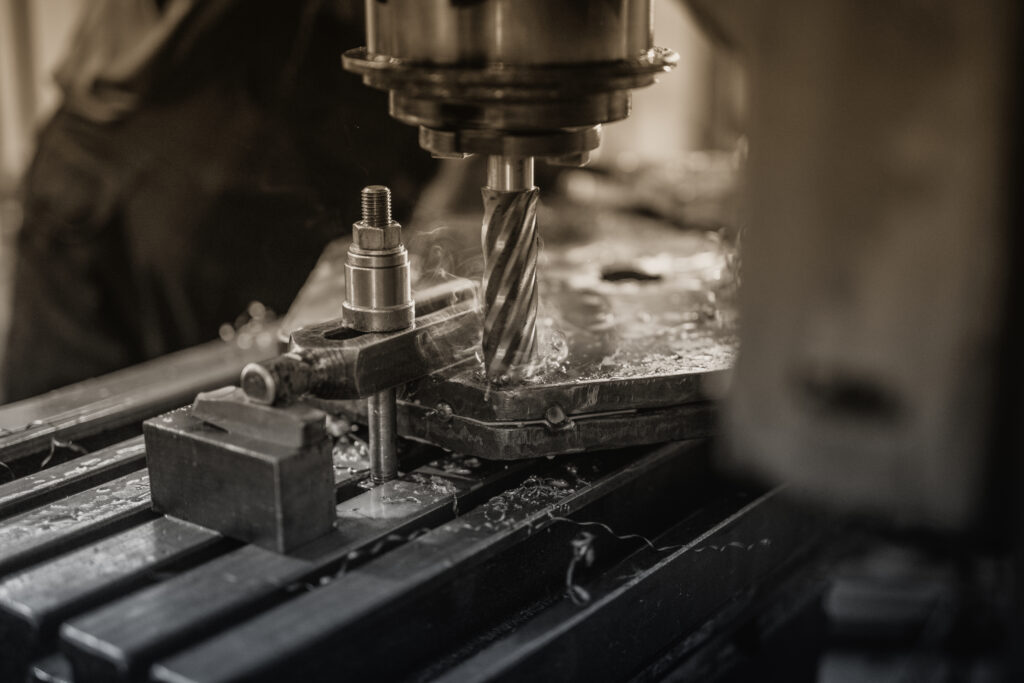
Industrial machine drilling metal.
Finding the Right Molding Services in North Logan
Working with a local provider matters for several reasons. Shorter lead times help you launch products faster. Face-to-face prototyping collaboration solves design issues quickly. Lower shipping costs for heavy molds and parts improve your budget. You can visit the facility and see your parts being made.
Ask potential providers about their equipment capabilities. Find out which molding processes they offer. Check if they have the tonnage capacity for your part size. Ask about their material certifications and approved supplier lists. Quality systems like ISO 9001 show commitment to consistent processes.
Logan-area shops often focus on precision injection molding work. The Cache Valley manufacturing community has built expertise in complex parts. Medical device components, electronics housings, and custom OEM parts are common specialties. This concentration of knowledge benefits local clients.
Evaluate quotes by looking beyond price alone. Compare lead times from tooling to first article. Ask about quality standards and inspection procedures. Find out what post-production support they provide. Mold maintenance, engineering changes, and storage all affect long-term costs.
During an initial consultation with a North Logan molding service, expect to discuss your part design, expected volumes, and timeline. Bring CAD files if available. We review material options based on your performance requirements. We estimate tooling costs and lead times. You’ll learn whether your part design is optimized for manufacturing or needs modifications.
Ready to discuss your plastic molding project with a local expert? Our North Logan facility specializes in precision plastic injection molding services in Logan, Utah—from prototype to production. Request a quote or call (435) 774-9090 to speak with our team today.
Is plastic injection molding the right choice for your custom parts—or will the upfront costs outweigh the benefits? That’s a fair question. Tooling can run into the tens of thousands…
Need parts made to your exact specs—not pulled from a catalog? That’s where custom manufacturing comes in. The global injection molding market hit $295 billion in 2024 alone. Much of…
The global plastic injection molding market is projected to reach $419.1 billion by 2030. But as demand grows, so does pressure to address environmental concerns. Is plastic injection molding actually…
If you work near injection molding machines or plan to source molded parts, you may wonder: is plastic injection molding safe? The short answer is yes—when facilities follow proper precautions.…
What if you could get a plastic that takes a beating but doesn’t drain your budget? Good news—several options fit that bill. HDPE costs around $0.60–$1.00 per pound. Yet it…
Need a plastic part that won’t crack, shatter, or fail under pressure? Choosing the right material can make or break your product. Here’s a fact that might surprise you: Some…
What do plastic bottles, rubber bands, and your own DNA have in common? They’re all made of polymers. These long chains of molecules form the materials we use every day.…
The global injection molded plastics market is projected to reach over $423 billion by 2030, according to Grand View Research. That number tells a simple story: plastic parts are everywhere.…