Is Injection Molding Environmentally Friendly? What Manufacturers Are Doing Now
Justin Brown
January 22nd, 2026
The global plastic injection molding market is projected to reach $419.1 billion by 2030. But as demand grows, so does pressure to address environmental concerns. Is plastic injection molding actually bad for the planet—or can it be part of a greener future?
This guide breaks down the environmental impact of plastic injection molding and shows you what responsible manufacturers are doing to reduce harm. We’ll cover the pros and cons of the process, explain key sustainability practices like electric machines and closed-loop recycling, and help you spot a truly sustainable manufacturing partner.
Is plastic injection molding environmentally friendly?
Plastic injection molding can be environmentally friendly when manufacturers adopt sustainable practices. The process itself produces minimal waste because excess material can be reground and reused. However, energy consumption and plastic sourcing remain concerns. Greener options include using electric machines (which cut energy use by 30–50%), recycled or bio-based plastics, and closed-loop recycling systems. Choosing a manufacturer with clear sustainability commitments—such as ISO 14001 certification—helps reduce your environmental footprint.
Is Injection Molding Bad for the Environment?
Plastic injection molding does have environmental drawbacks. Being honest about these concerns helps you make smarter sourcing decisions.
Here are the main issues:
Energy use. Traditional hydraulic machines consume a lot of electricity. This adds to your carbon footprint, especially if the power comes from non-renewable sources.
Raw material sourcing. Virgin plastics come from fossil fuels. Extracting and refining these materials creates pollution and uses limited resources.
Emissions during heating. Melting plastic can release small amounts of gases. Proper ventilation and controls reduce this risk, but it’s still a factor.
Plastic waste concerns. While most scrap can be reground and reused, not all facilities do this. Poor waste handling sends usable material to landfills.
Carbon footprint varies. The environmental impact depends heavily on the equipment, materials, and practices a manufacturer uses. Two facilities running the same part can have very different footprints.
Is Injection Molding Good for the Environment?
Despite the concerns above, injection molding has real environmental advantages. When done right, it can be one of the more efficient ways to make plastic parts.
Here’s what works in its favor:
High material efficiency. The process creates very little waste. Runners, sprues, and rejected parts can be reground and fed back into production. Near-zero scrap is possible.
Durable, long-lasting parts. Injection-molded parts hold up well over time. Products that last longer don’t need to be replaced as often. That means fewer resources used overall.
Works with recycled and bio-based plastics. You’re not limited to virgin materials. Many recycled plastics and plant-based options run well through injection molding equipment.
Precision reduces waste. Tight tolerances mean fewer rejects. When parts come out right the first time, you don’t throw away material fixing mistakes.
Scale lowers per-unit impact. Once a mold is built, you can run thousands or millions of parts. The environmental cost of setup gets spread across a large volume, making each piece more efficient to produce.
Now that we’ve covered the downsides and the upsides, let’s look at what manufacturers can do to push the process in a greener direction.
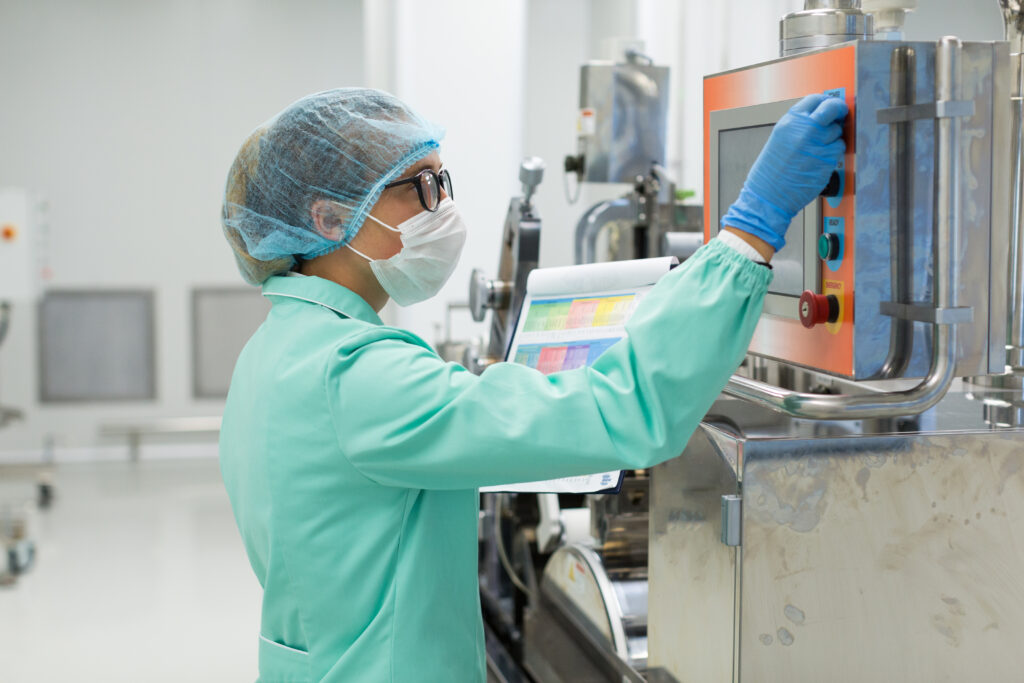
caucasian factory worker in blue lab suit look at control panel of machine
How Can the Injection Molding Process Be Made Greener?
The equipment and methods a manufacturer uses make a big difference. Small changes at each step add up to real reductions in energy and waste.
Here are the most effective ways to green the process:
Switch to all-electric or hybrid machines. Electric presses use 30–50% less energy than hydraulic ones. They also run quieter and need less maintenance.
Optimize cycle times and cooling. Faster, smarter cooling means less time running the machine. That cuts energy use per part.
Use energy-efficient peripheral equipment. Dryers, chillers, and conveyors all draw power. Newer models do the same job with less electricity.
Add real-time monitoring. Sensors and software catch problems early. You spot inefficiencies before they waste material or energy.
Recover and reuse process heat. Injection molding generates heat. Some facilities capture that heat and use it elsewhere, like warming the building or preheating materials.
Sustainable Plastic Materials for Injection Molding
Process improvements matter—but so does what goes into the mold. The material you choose has a direct effect on your product’s environmental footprint.
Here are the main sustainable material options:
Recycled content. Post-consumer recycled (PCR) and post-industrial recycled (PIR) plastics give old material new life. Many common resins like ABS, HDPE, and PP are available with recycled content.
Bioplastics. Plant-based options like PLA and PHA come from renewable sources instead of fossil fuels. They work well for certain applications, though not all.
Design for end-of-life. Some parts can be designed for easier recycling or composting. This takes planning upfront but pays off when the product reaches the end of its useful life.
Trade-offs to consider. Sustainable materials may cost more or perform differently than virgin plastics. Some applications also require certifications that limit your options.
How to request sustainable materials. Ask your manufacturer what recycled or bio-based resins they can run. A good partner will help you find a material that meets both performance and sustainability goals.
We have experience running recycled-content resins for clients looking to reduce their environmental footprint. Our team in North Logan can walk you through options that match your performance requirements and sustainability goals. Learn more about our custom plastic injection molding services.
What Is Closed-Loop Recycling in Injection Molding?
Closed-loop recycling means capturing scrap material, regrinding it, and feeding it back into production at the same facility. Instead of sending waste out the door, the manufacturer reuses it on-site.
Here’s how it works and why it matters:
The basic process. Runners, sprues, and rejected parts get collected during production. A granulator grinds them into small pieces. That regrind is then blended with virgin material and molded into new parts.
Reduces landfill waste. Material that would otherwise be thrown away stays in use. Less plastic ends up in the trash.
Lowers raw material costs. Regrind replaces some of the virgin resin you’d otherwise buy. Over large production runs, the savings add up.
Quality control matters. Plastic can degrade slightly each time it’s reprocessed. Good manufacturers track how many times material has been reground and limit the percentage of regrind in each batch.
Closed-loop vs. open-loop. Closed-loop happens in-house. Open-loop sends scrap to an outside recycler, where it may become a different product entirely. Both reduce waste, but closed-loop gives you more control.
When virgin material is necessary. Some applications require 100% virgin resin. Medical devices, food-contact parts, and high-stress components may have specifications that don’t allow regrind.
Not every job is a fit for closed-loop recycling. But when it works, it’s one of the simplest ways to cut waste and cost at the same time.
How to Identify a Sustainable Injection Molding Partner
Ready to put this into practice? Choosing the right manufacturer is one of the most effective ways to lower your product’s environmental impact. Here’s what to look for.
[ ] Ask about equipment. Find out if they run electric or hydraulic machines. Ask about their energy sources—some facilities use renewable power.
[ ] Request waste data. A good partner can tell you their waste diversion rate and how they handle scrap. If they can’t answer, that’s a red flag.
[ ] Look for transparency. Do they publish sustainability goals? Will they share carbon footprint data or recycled content capabilities? Openness signals accountability.
[ ] Consider location. Local manufacturing means shorter shipping distances. Fewer miles traveled equals lower emissions. Working with a partner in your region also makes communication and quality checks easier.
At Freeform Polymers, we track energy use per production run. Adding all-electric presses to our North Logan facility has helped us reduce energy consumption on those machines. Knowing where energy goes helps us find ways to use less.
We’re ISO 9001:2015 certified and actively working toward additional certifications. We welcome clients to tour our North Logan facility and see our equipment and processes firsthand. Ask us about our energy and waste practices—we’re happy to share.
Is plastic injection molding the right choice for your custom parts—or will the upfront costs outweigh the benefits? That’s a fair question. Tooling can run into the tens of thousands…
Need parts made to your exact specs—not pulled from a catalog? That’s where custom manufacturing comes in. The global injection molding market hit $295 billion in 2024 alone. Much of…
The global plastic injection molding market is projected to reach $419.1 billion by 2030. But as demand grows, so does pressure to address environmental concerns. Is plastic injection molding actually…
If you work near injection molding machines or plan to source molded parts, you may wonder: is plastic injection molding safe? The short answer is yes—when facilities follow proper precautions.…
What if you could get a plastic that takes a beating but doesn’t drain your budget? Good news—several options fit that bill. HDPE costs around $0.60–$1.00 per pound. Yet it…
Need a plastic part that won’t crack, shatter, or fail under pressure? Choosing the right material can make or break your product. Here’s a fact that might surprise you: Some…
What do plastic bottles, rubber bands, and your own DNA have in common? They’re all made of polymers. These long chains of molecules form the materials we use every day.…
The global injection molded plastics market is projected to reach over $423 billion by 2030, according to Grand View Research. That number tells a simple story: plastic parts are everywhere.…