Is Plastic Injection Molding Safe? Hazards, Precautions & What to Know
Justin Brown
January 22nd, 2026
If you work near injection molding machines or plan to source molded parts, you may wonder: is plastic injection molding safe? The short answer is yes—when facilities follow proper precautions. But the process does involve real hazards that need real controls.
Plastics manufacturing presents documented workplace hazards. Burns, machinery contact injuries, and respiratory issues are among the most common incidents reported in the industry.
This guide explains the workplace risks, how facilities manage them, and what this means for you. We’ll cover fumes, burns, machinery dangers, and whether finished molded products pose any concerns. By the end, you’ll know exactly what to look for in a safe injection molding partner.
Is Plastic Injection Molding Safe?
Yes, plastic injection molding is safe when facilities follow proper precautions. The process does involve hazards. These include high heat, moving machinery, and fumes from melted plastic. Workers face risks like burns, respiratory irritation, and crush injuries if safety controls are missing.
However, modern facilities use ventilation systems, machine guards, protective equipment, and strict protocols to manage these risks. For end users, finished injection molded products are generally safe. Responsible manufacturers use food-grade or medical-grade plastics where required and follow regulatory standards.
Injection molding involves several workplace hazards. Knowing what they are helps you understand why safety controls matter.
Heat hazards are among the most common. Molten plastic reaches 200–300°C (392–572°F). Burns are a leading injury in plastics manufacturing. Hot surfaces, nozzles, and molds all pose risks.
Mechanical hazards come from the machines themselves. Clamping units exert tons of force. Crush and pinch points exist throughout the equipment. Moving parts can catch loose clothing or fingers.
Chemical and fume hazards occur when plastics are heated. Melted resins release volatile organic compounds (VOCs) and particulates. The type and amount depend on the material being molded.
Slip, trip, and fall risks round out the list. Spilled plastic pellets act like ball bearings on a floor. Lubricants and hydraulic fluids create slick surfaces if not cleaned promptly.
At Freeform Polymers, heat-related incidents dropped after we added mandatory cool-down protocols between cycles. Simple process changes make a measurable difference.
Are Plastic Injection Molding Fumes Dangerous?
Fumes are the hazard people ask about most. When plastic melts, it releases gases and tiny particles into the air. Whether these fumes are dangerous depends on the material, exposure time, and ventilation.
What fumes are released? Heated plastics can emit VOCs, styrene, formaldehyde, and fine particulates. The exact mix depends on the resin type and processing temperature.
Health effects vary by exposure. Short-term exposure may cause headaches, eye irritation, and throat discomfort. Long-term exposure without proper controls has been linked to more serious respiratory conditions.
Some materials pose higher risks than others. The table below shows common plastics and their fume concerns:
Material
Fume Type
Health Concern
PVC
Hydrogen chloride, phthalates
Respiratory irritation, long-term organ effects
ABS
Styrene, acrylonitrile
Eye and lung irritation, possible carcinogen
Polystyrene
Styrene
Nervous system effects, respiratory irritation
Polyethylene
Low VOCs
Minimal risk at normal temps
Polypropylene
Low VOCs
Minimal risk at normal temps
Thermoset resins behave differently. They release compounds during curing rather than just melting. Each material requires its own safety approach.
Safety Controls That Reduce Injection Molding Risks
These risks sound serious, but the right controls make a big difference. Here’s how safe facilities manage them.
Engineering controls are the first line of defense. Local exhaust ventilation (LEV) and fume extractors pull contaminated air away from workers. Enclosed machine guarding keeps hands away from pinch points and hot surfaces. OSHA’s plastics industry guidance provides detailed standards for machine safety and hazard control.
Administrative controls shape how people work. These include:
Training programs for all operators
Standard operating procedures for each machine
Cool-down protocols between production cycles
Regular equipment inspections
Personal protective equipment (PPE) adds another layer. Heat-resistant gloves protect against burns. Safety glasses shield eyes from debris. Respiratory protection is used when working with higher-risk materials.
Machine safety features are built into modern equipment. Interlocks prevent doors from opening during cycles. Light curtains detect when hands enter danger zones. Emergency stops are within easy reach.
At Freeform Polymers, we require all operators to complete annual safety recertification. Clients often ask about this during facility tours. Our ISO 9001:2015 certification also reflects our commitment to consistent, safe processes.
If you’re sourcing parts, you’ll also want to know whether the finished product itself is safe. The good news: injection molded products pose no fume or heat hazards. Once cooled, plastic is solid and stable.
Food-contact safety is well regulated. The FDA sets standards for resins used in food and beverage containers. Manufacturers who follow these rules use FDA-compliant materials that won’t leach harmful chemicals.
Medical-grade plastics meet even stricter requirements. ISO 10993 governs biocompatibility for devices that contact the body. These materials go through extensive testing before approval.
BPA and phthalate concerns have led to safer options. Many manufacturers now offer BPA-free and phthalate-free resins. If this matters for your application, ask your supplier directly.
Quality control ties it all together. Responsible manufacturers test incoming materials and inspect finished parts. Certifications like ISO 9001 show a facility has systems in place to catch problems before products ship.
At Freeform Polymers, we’re pursuing ISO 13485 certification for medical device manufacturing. This reflects our commitment to meeting the highest product safety standards.
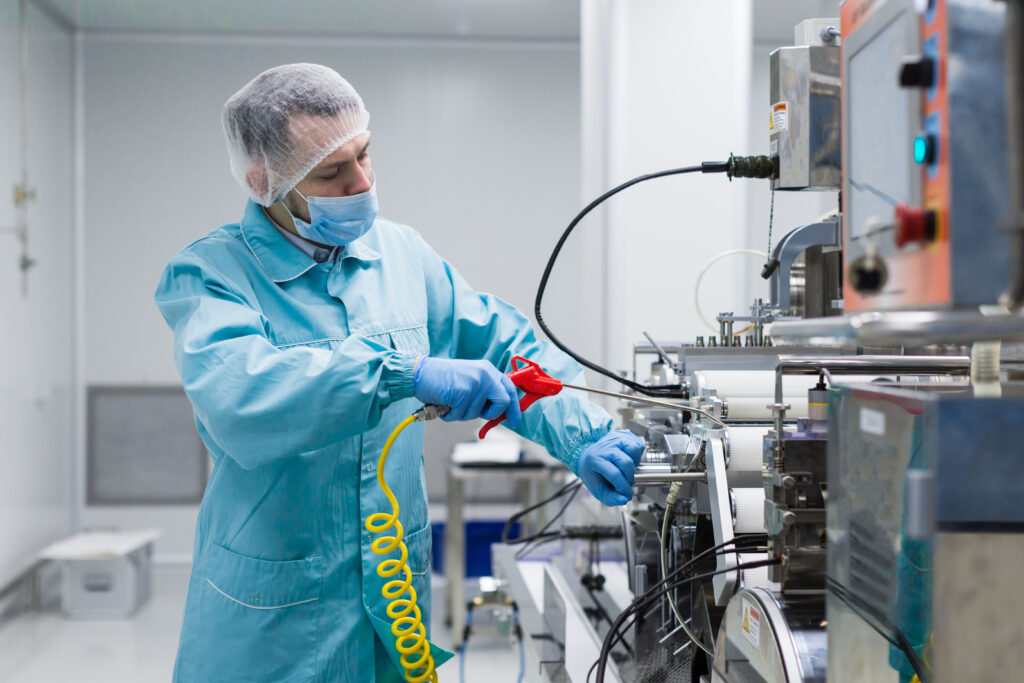
scientist is fixing machine
How to Choose a Safe Injection Molding Partner
Not all facilities operate the same way. Here’s how to evaluate a manufacturer on safety.
Ask the right questions:
What ventilation and fume control systems do you use?
How often do operators receive safety training?
Can you share your incident rate or safety record?
What certifications do you hold?
Verify certifications that matter for your project:
ISO 9001 for quality management systems
ISO 13485 for medical devices
FDA registration if required for your industry
AS9100 for aerospace applications
Tour the facility if possible. Walk the shop floor and observe. Are workers wearing proper PPE? Do machines have guards in place? Is the space clean and organized? These details tell you a lot.
When clients visit Freeform Polymers in North Logan, we walk them through our safety stations and answer every question. Transparency builds trust. Our partnership with Utah State University also keeps us connected to the latest manufacturing practices and technology.
Is plastic injection molding the right choice for your custom parts—or will the upfront costs outweigh the benefits? That’s a fair question. Tooling can run into the tens of thousands…
Need parts made to your exact specs—not pulled from a catalog? That’s where custom manufacturing comes in. The global injection molding market hit $295 billion in 2024 alone. Much of…
The global plastic injection molding market is projected to reach $419.1 billion by 2030. But as demand grows, so does pressure to address environmental concerns. Is plastic injection molding actually…
If you work near injection molding machines or plan to source molded parts, you may wonder: is plastic injection molding safe? The short answer is yes—when facilities follow proper precautions.…
What if you could get a plastic that takes a beating but doesn’t drain your budget? Good news—several options fit that bill. HDPE costs around $0.60–$1.00 per pound. Yet it…
Need a plastic part that won’t crack, shatter, or fail under pressure? Choosing the right material can make or break your product. Here’s a fact that might surprise you: Some…
What do plastic bottles, rubber bands, and your own DNA have in common? They’re all made of polymers. These long chains of molecules form the materials we use every day.…
The global injection molded plastics market is projected to reach over $423 billion by 2030, according to Grand View Research. That number tells a simple story: plastic parts are everywhere.…