What Kind of Plastic Can Be Molded? A Simple Guide to Common Materials
Justin Brown
November 28th, 2025
Wondering which plastic is right for your next molding project? You’re not alone. Choosing the wrong material can mean wasted money or parts that crack under pressure.
This guide breaks down the most common plastic molding materials. You’ll learn which ones offer the best strength, flexibility, or cost savings. We’ll cover the top moldable plastics and what makes each one unique. By the end, you’ll know exactly what to ask for when you contact a manufacturer.
In our North Logan shop, we see clients choose ABS or polypropylene about 70% of the time. These two plastics balance cost and durability well for most projects. But they’re not always the best fit. The right choice depends on how your part will be used.
What Kind of Plastic Can Be Molded?
Most thermoplastics can be molded. The most common types include:
ABS – Strong and impact-resistant. Used in electronics and automotive parts.
Polypropylene (PP) – Lightweight and chemical-resistant. Used in packaging and containers.
Polycarbonate (PC) – Clear and tough. Used in lenses and safety equipment.
Nylon (PA) – Durable and heat-resistant. Used in gears and mechanical parts.
Polyethylene (PE) – Flexible and low-cost. Used in bottles and bags.
The right choice depends on your product’s strength, flexibility, and budget needs.
Plastic molding is a way to shape plastic into parts. The process is simple. Plastic pellets are heated until they melt. The melted plastic is pushed into a mold. It cools and hardens into the final shape.
Injection molding is the most common method. It works well for making many identical parts quickly. You’ll find injection-molded parts in cars, medical devices, toys, and everyday items. According to PlasticsEurope, global plastics production exceeded 400 million metric tons in 2022, yet only a handful of plastic types account for most molded parts.
The plastic you choose affects everything. It controls how strong your part will be. It changes the cost. It even impacts how the finished product looks and feels. A cheap plastic might save money upfront but fail in the field. A premium plastic might be overkill for a simple project.
That’s why material selection matters so much.
Most Common Plastics for Molding (Top 5)
Not all plastics are created equal. Each one has strengths that make it better for certain jobs. Here are the five plastics we work with most often at Freeform Polymers.
ABS (Acrylonitrile Butadiene Styrene)
ABS is tough and handles impact well. It machines easily and takes paint nicely. You’ll find it in electronics housings, toys, and automotive trim.
Polypropylene (PP)
PP is lightweight and resists chemicals. It bends without breaking, which makes it great for living hinges. Food containers, bottle caps, and storage bins often use PP.
Polycarbonate (PC)
PC is clear and very strong. It handles high heat and resists shattering. Safety glasses, medical devices, and LED lenses are common uses.
Nylon (PA)
Nylon stands up to heat and wear. It’s stiffer than most plastics. Gears, automotive clips, and mechanical parts rely on nylon.
Polyethylene (PE)
PE is flexible and costs less than other options. It works well for bottles, plastic bags, and simple containers.
Material
Key Strength
Best For
ABS
Impact resistance
Electronics, toys, automotive
Polypropylene (PP)
Chemical resistance, flexibility
Food containers, hinges
Polycarbonate (PC)
Clarity, toughness
Lenses, medical devices
Nylon (PA)
Heat and wear resistance
Gears, mechanical parts
Polyethylene (PE)
Low cost, flexibility
Bottles, bags
From our experience, ABS and PP handle most general-purpose projects. We recommend PC when clarity or impact resistance is critical. Learn more about our plastic injection molding services to see how we work with these materials.
How to Choose the Right Plastic for Your Project
Picking a plastic starts with knowing how your part will be used. The environment matters most. Will it face heat, cold, or sunlight? Will it touch chemicals or food? These questions narrow your choices fast.
Cost and performance need to balance. A high-end plastic might outlast cheaper options by years. But if your product has a short life, that extra cost doesn’t pay off. Think about what your part really needs to do.
Appearance also plays a role. Some plastics take color well. Others stay clear. A few can be textured to hide fingerprints or add grip. Match the material to how your product should look and feel.
Ask yourself these questions before you decide:
Where will this part be used? (Indoors, outdoors, high heat, wet conditions)
Does it need to resist chemicals or UV light?
How much impact or stress will it face?
Does it need to be clear, colored, or textured?
What’s my budget per part?
When in doubt, ask a manufacturer. We test materials daily and can point you in the right direction. A quick call often saves weeks of trial and error.
Sometimes the big five plastics don’t fit the job. That’s when specialty materials come in. These plastics solve problems that ABS, PP, and the others can’t.
TPE (Thermoplastic Elastomer)
TPE feels like rubber but molds like plastic. It’s soft and flexible. Grips, seals, and soft-touch handles often use TPE.
TPU (Thermoplastic Polyurethane)
TPU resists abrasion and bounces back from stretching. It holds up under repeated wear. Phone cases, caster wheels, and sports equipment rely on TPU.
POM (Polyoxymethylene / Acetal)
POM has low friction and high stiffness. It works well for parts that slide or spin. Zippers, bearings, and gear teeth are common uses.
Material
Best For
Example Product
TPE
Soft-touch, flexibility
Tool grips, seals
TPU
Abrasion resistance
Phone cases, wheels
POM
Low friction, precision
Zippers, bearings
These plastics are less common. But when you need what they offer, nothing else works as well.
Next Steps — Get Expert Help Locally
Material selection gets easier when you talk to someone who works with plastics every day. A quick conversation can save you time and money. You don’t have to figure this out alone.
Working with a local manufacturer has real advantages. You can stop by and hold samples in your hand. You can see how different plastics look and feel before you commit. You can ask questions about tolerances, finishes, and lead times face to face.
At Freeform Polymers, we offer prototyping to test your design before full production. This lets you catch problems early. It also helps you confirm that your material choice is the right one.
We’ve helped dozens of businesses across Northern Utah and Southern Idaho pick the right plastic and get parts in hand fast. From startups with a first prototype to established manufacturers scaling up, our team is ready to help you move forward.
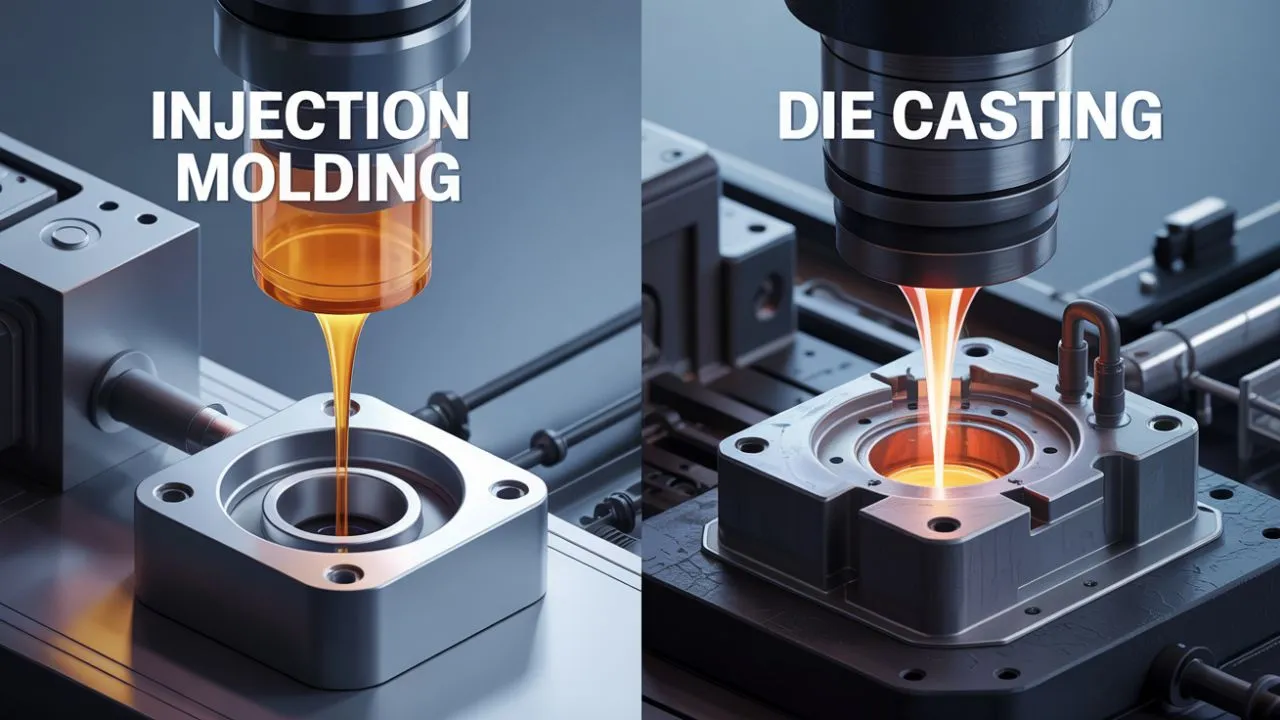
Should your part be plastic or metal? That question decides whether you need injection molding or die casting. Both processes push melted material into a mold under pressure. From across…
Is it cheaper to build your mold overseas or here at home? The honest answer depends on what you actually count. Many buyers compare domestic vs overseas injection molding using…
You have a part to make. Someone mentioned CNC turning or CNC milling. Maybe both came up. They sound alike, but they are not the same process. Picking the wrong…
You’ve probably seen the letters “ISO 9001:2015” on a badge or a website. It might look like just another logo. But it means something specific. ISO 9001:2015 certification tells you…
If you’ve gotten quotes from two injection molding companies, you may have noticed something. One mentions a hydraulic machine. The other mentions an electric machine. You might wonder if that…
Combining metal with plastic takes a different process than adding a soft grip to a hard plastic part. Both are common in insert molding and overmolding, but they solve different…
Not all injection molds are built the same way. At Freeform Polymers, we’ve seen how the type your part needs can change your tooling cost by thousands of dollars. That…
Ever gotten a design review back with a flag that says “insufficient draft”? You had no idea what that meant. It’s one of the most common notes molders give on…