How Long Does an Injection Mold Last? Mold Life by Class, Material, and Care
The mold is often the biggest check you’ll write on a plastic part project. So it’s fair to ask how many parts it will give you. Will it cover your…

Not sure which plastic molding method fits your project? You’re not alone. Most buyers don’t know there are several options beyond standard injection molding.
Plastic molding is one of the most common ways to make parts. According to the Plastics Industry Association, the U.S. plastics industry supports over one million workers and remains the eighth largest manufacturing sector in the country. That growth comes from its speed, low cost per part, and ability to repeat the same design over and over.
This guide breaks down what plastic molding is and walks through the main methods. We’ll help you pick the right one for your budget, timeline, and part design.
You’ll learn how plastic molding works. We cover six common methods, including injection, blow, and rotational molding. We also share tips for choosing the best fit. By the end, you’ll know which path matches your project—and where to get started.
What is plastic molding? Plastic molding is a manufacturing process that shapes raw plastic into finished parts. Heated plastic is formed inside a mold, then cooled and released. Common methods include injection molding, blow molding, rotational molding, and thermoforming. Each method suits different part sizes, volumes, and budgets. Injection molding works best for high-volume, precise parts. Blow molding creates hollow items like bottles. Rotational molding handles large, hollow shapes. Thermoforming is ideal for packaging and lower-cost tooling. The right choice depends on your design, quantity, and timeline.
→ Need high-volume precision parts? See our plastic injection molding services.
Plastic molding shapes heated plastic inside a mold to create finished parts. The plastic cools, hardens, and comes out ready to use. This process has been around for decades and keeps getting better.
Manufacturers choose plastic molding for three main reasons. It’s fast. It’s affordable at scale. And it makes the same part over and over with little variation.
Many industries depend on plastic molding every day. Auto makers use it for dashboards, clips, and housings. Medical device companies rely on it for precise, clean components. Consumer goods—from toys to kitchen tools—start as molded plastic parts.
In our facility, we see clients switch methods mid-project when volume needs change. A prototype run might start with machining, then move to injection molding once orders grow. Knowing your options early saves time and money.
But not all plastic molding is the same. Let’s look at the main types.
There are several ways to mold plastic. Each method has its own strengths. The best choice depends on your part shape, volume, and budget.
Here’s a quick look at six common options.
Injection Molding
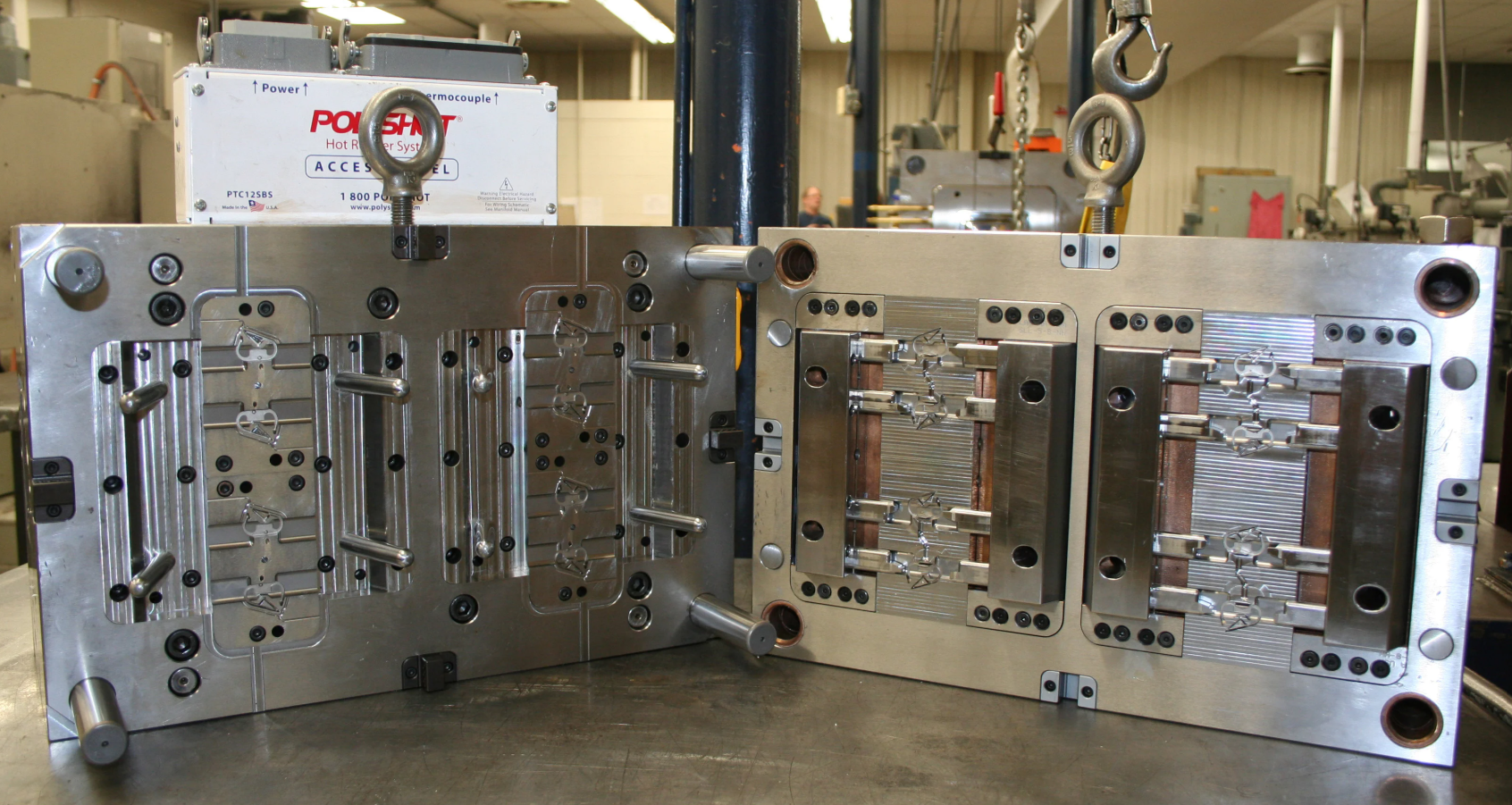
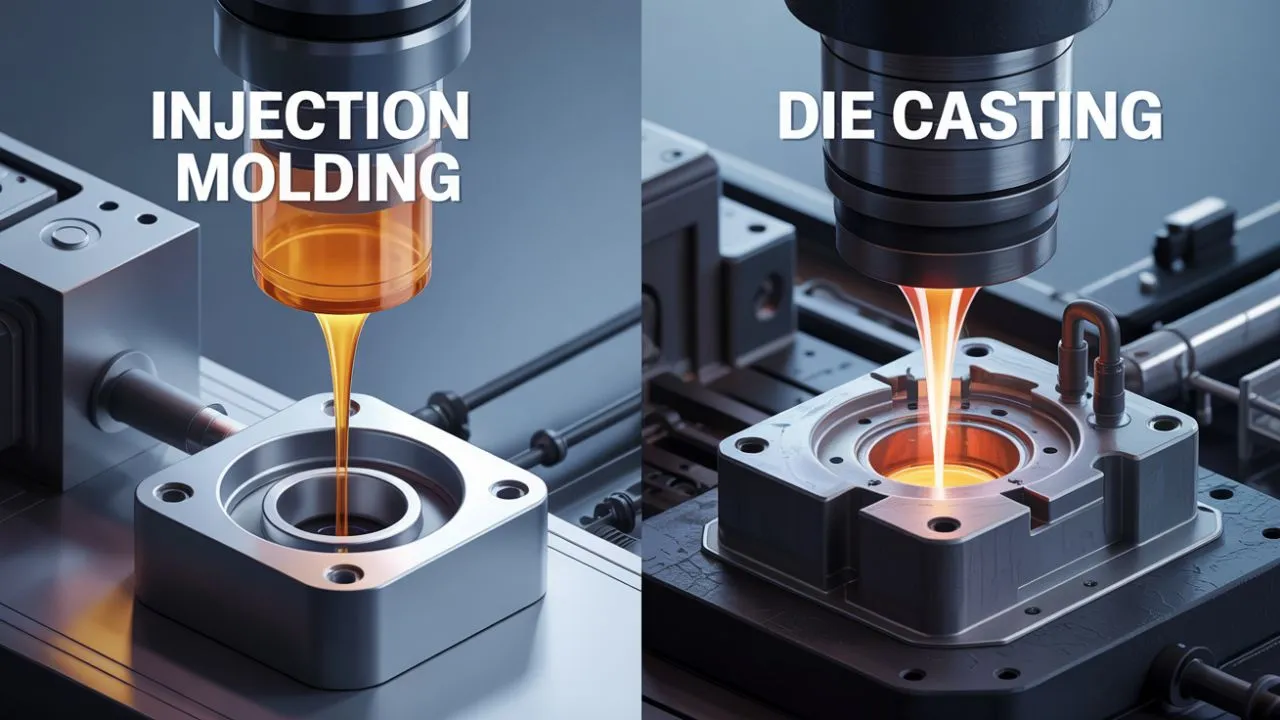
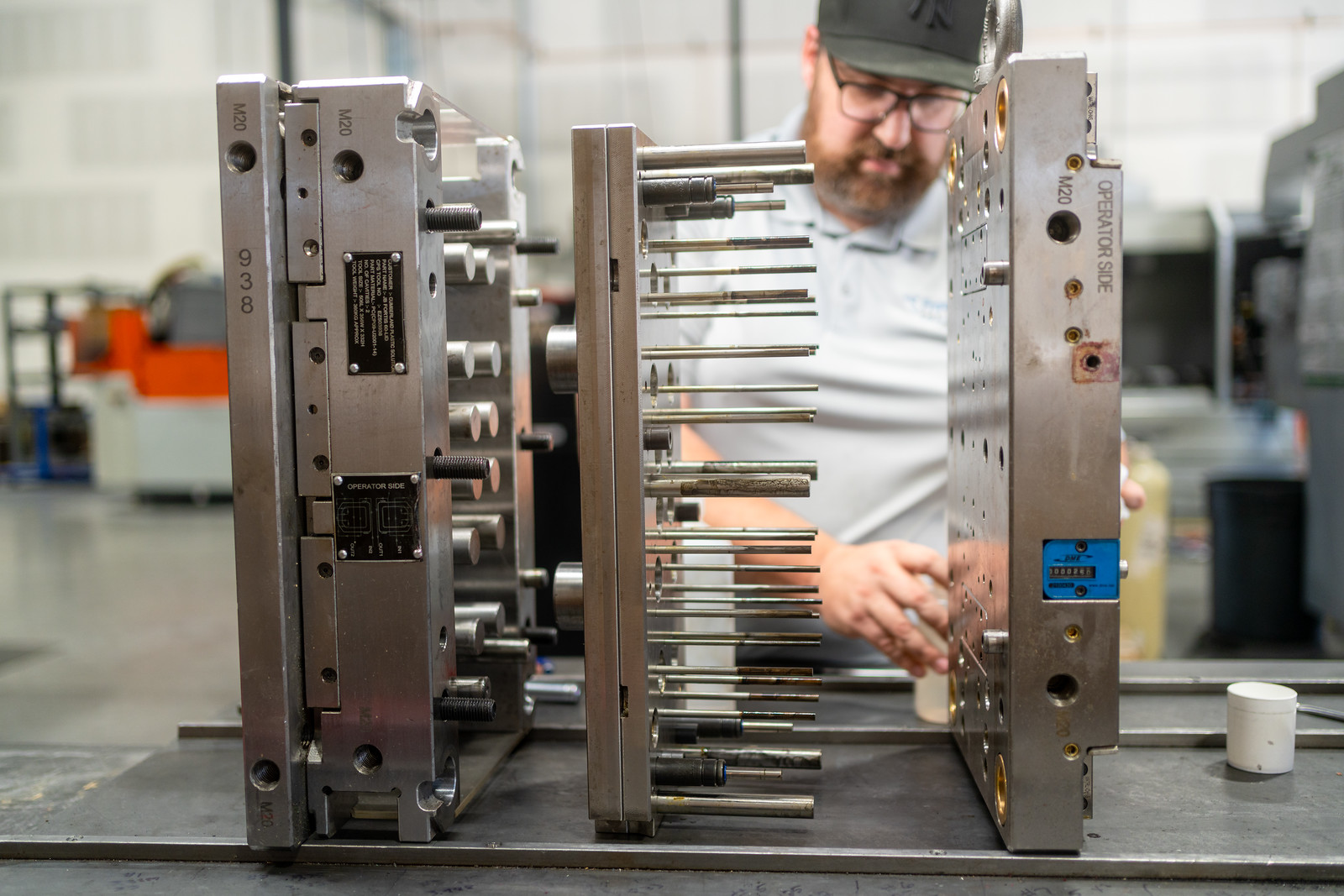
Melted plastic is pushed into a steel or aluminum mold under high pressure. This method handles complex shapes and tight tolerances. Tooling costs more upfront, but each part costs less at high volumes. If you need custom tooling, our team offers full plastic injection mold making services.
Blow Molding
Air inflates hot plastic inside a mold to form hollow parts. Think bottles, tanks, and containers. Tooling costs less than injection molding, and cycle times stay short.
Rotational Molding
A mold rotates while heated plastic coats the inside walls. This creates large, hollow shapes with even wall thickness and low stress. Cycle times run longer, but tooling stays affordable.
Thermoforming
A heated plastic sheet is pressed or vacuumed over a mold. It works well for packaging, trays, and panels. Tooling typically costs far less than injection molds.
CNC Machining
Solid plastic is cut into shape by computer-controlled tools. No mold is needed. It’s great for prototypes, but per-part cost stays higher at volume.
3D Printing (Additive)
Plastic is built up layer by layer from a digital file. Design changes happen fast. But production runs take longer than molding methods.
| Method | Best For | Volume Range | Tooling Cost |
| Injection Molding | Complex, precise parts | 1,000–1,000,000+ | Higher |
| Blow Molding | Hollow containers | 1,000–100,000+ | Medium |
| Rotational Molding | Large hollow shapes | 100–10,000 | Lower |
| Thermoforming | Packaging, panels | 250–50,000+ | Lower |
| CNC Machining | Prototypes, small runs | 1–500 | None |
| 3D Printing | Prototypes, custom parts | 1–500 | None |
With so many options, how do you pick? Here’s a simple framework.
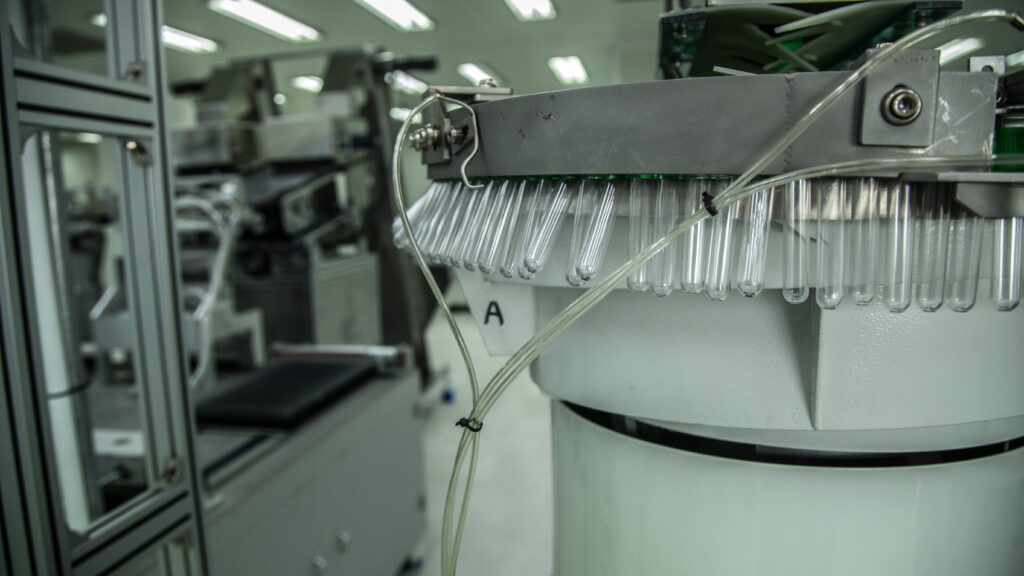
Picking the right method starts with your part design. Look at the size, shape, and wall thickness. Complex shapes with thin walls often need injection molding. Large, hollow parts may call for rotational or blow molding.
Next, think about how many parts you need. A prototype run of 50 units has different needs than a 10,000-unit production order. Low volumes favor machining or 3D printing. High volumes favor injection molding.
Budget matters too. Tooling costs hit your wallet upfront. Per-part costs add up over time. Injection molds cost more to build but lower your price per piece at scale. Thermoforming and rotational molds cost less to start.
Timeline plays a big role. Molds can take weeks to build. Machining and 3D printing skip that wait. If speed matters more than per-part cost, start without a mold.
Finally, consider your material. Certain resins work better with certain methods. Ask about material options before you commit.
A recent client needed 500 enclosures fast. Thermoforming cut their lead time in half compared to injection molding. The right method saved them weeks.
Quick Checklist:
Still not sure? Let’s compare injection molding head-to-head with the alternatives.
Injection molding wins when you need volume, precision, and consistency. It holds tight tolerances and repeats the same part thousands of times. If you need 1,000 units or more, injection molding often costs less per part.
But injection molding isn’t always the best fit. Alternatives win in several cases.
When to Choose Other Methods:
Cost Crossover Point
Injection molding becomes cost-effective around 1,000 to 10,000 units. Below that range, tooling costs spread across fewer parts. Your per-piece price stays high. Above that range, the mold pays for itself quickly.
Quality and Tolerance
Injection molding delivers the tightest tolerances. Parts come out consistent, batch after batch. Other methods work well but may allow more variation. Rotational molding, for example, produces stress-free parts with uniform walls—but tolerances run looser.
| Factor | Injection Molding | Alternatives |
| Best volume | 1,000+ units | 1–1,000 units |
| Tolerances | Tightest | Varies by method |
| Tooling cost | Higher upfront | Lower or none |
| Part types | Solid, complex shapes | Hollow, large, or prototype |
If injection molding fits your project, here’s how to get started.
→ Learn more about our plastic injection molding services.

Choosing the right plastic molding method comes down to three things. Match your part design, production volume, and budget. When those line up, the decision gets simple.
If you’re still weighing options, we’re here to help. Our team works with clients at every stage. You don’t need all the answers before you reach out.
Here’s how our process works. Send us your CAD files or part drawings. Our team reviews them and recommends the best method within 24 hours. No commitment required. Just clear guidance based on your project.
At Freeform Polymers in North Logan, Utah, we specialize in injection molding and contract manufacturing. We also help clients find the right path when injection molding isn’t the best fit. Our ISO 9001:2015 certification backs every project with consistent quality.
Whether you need 500 parts or 50,000, we’ll point you in the right direction.
Ready to move forward? Request a quote for your plastic molding project.