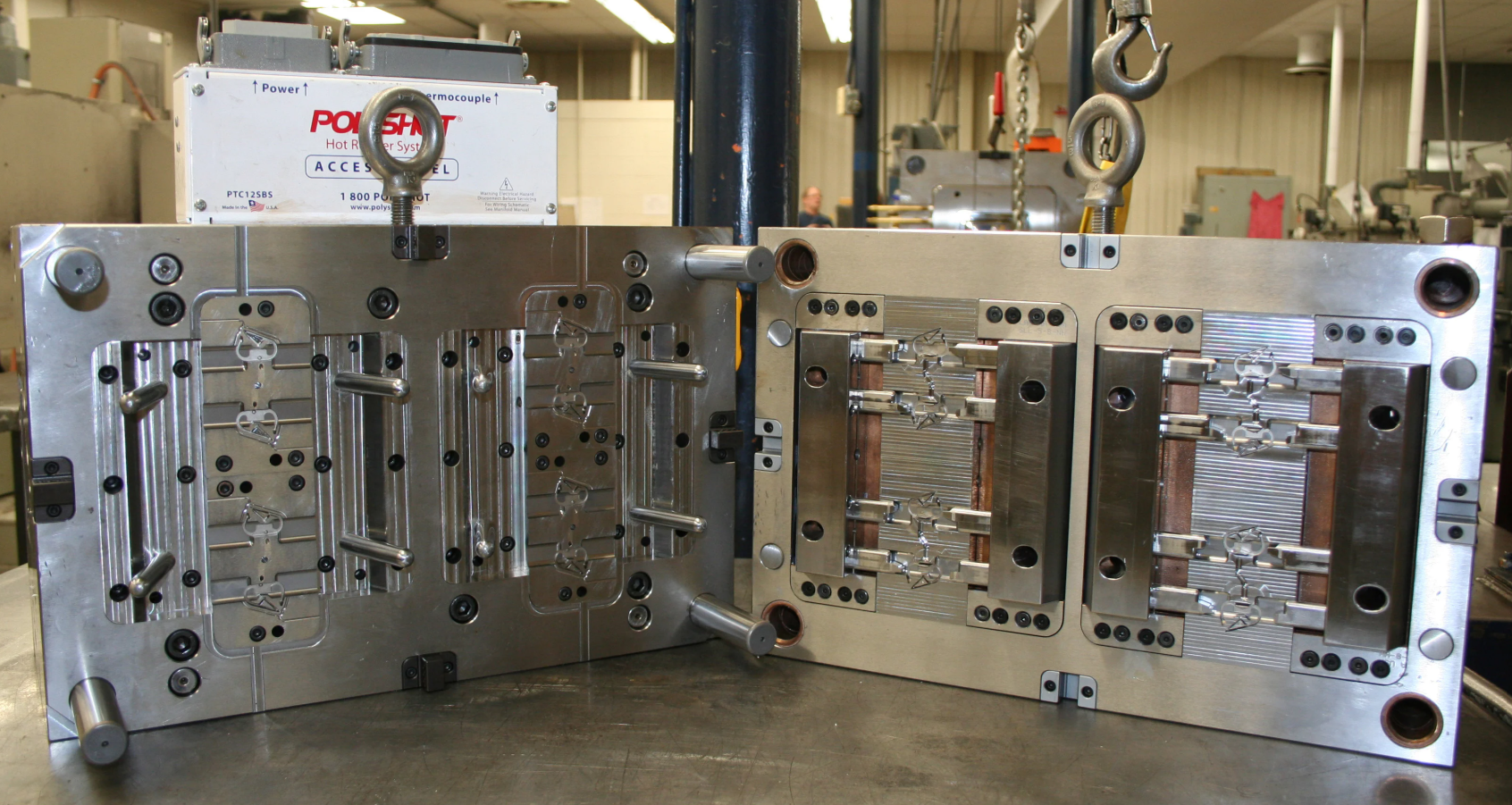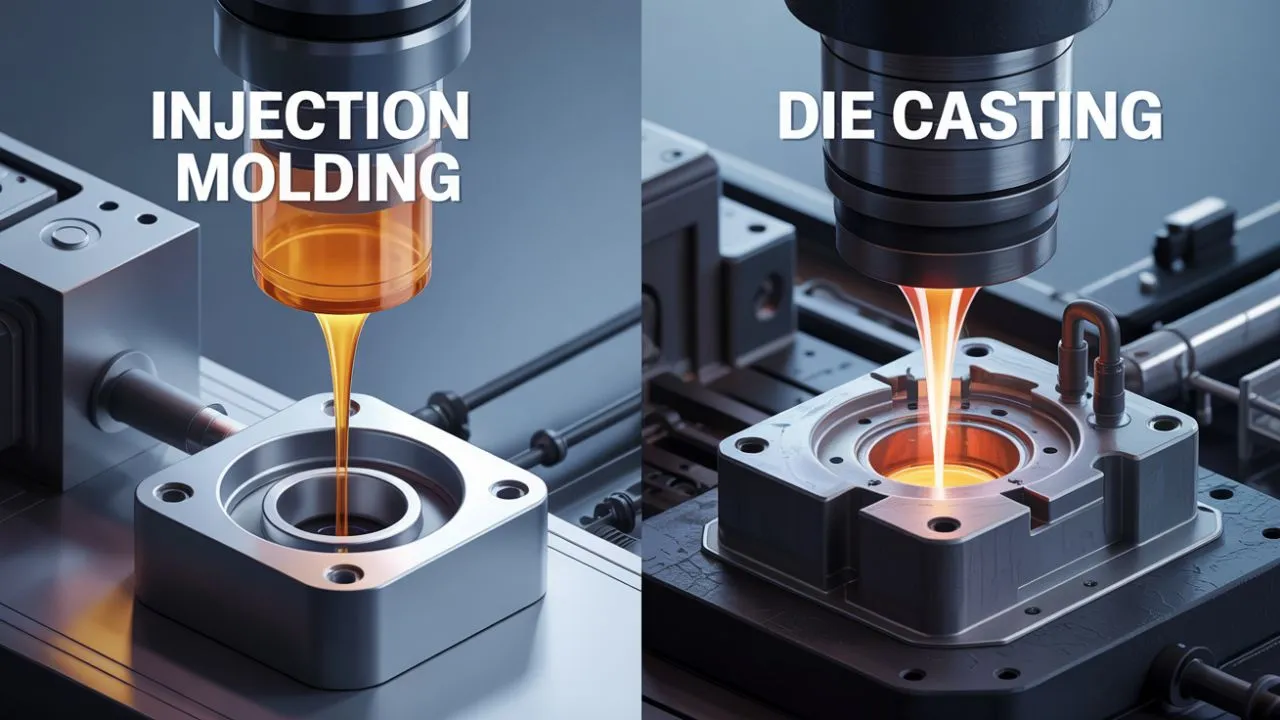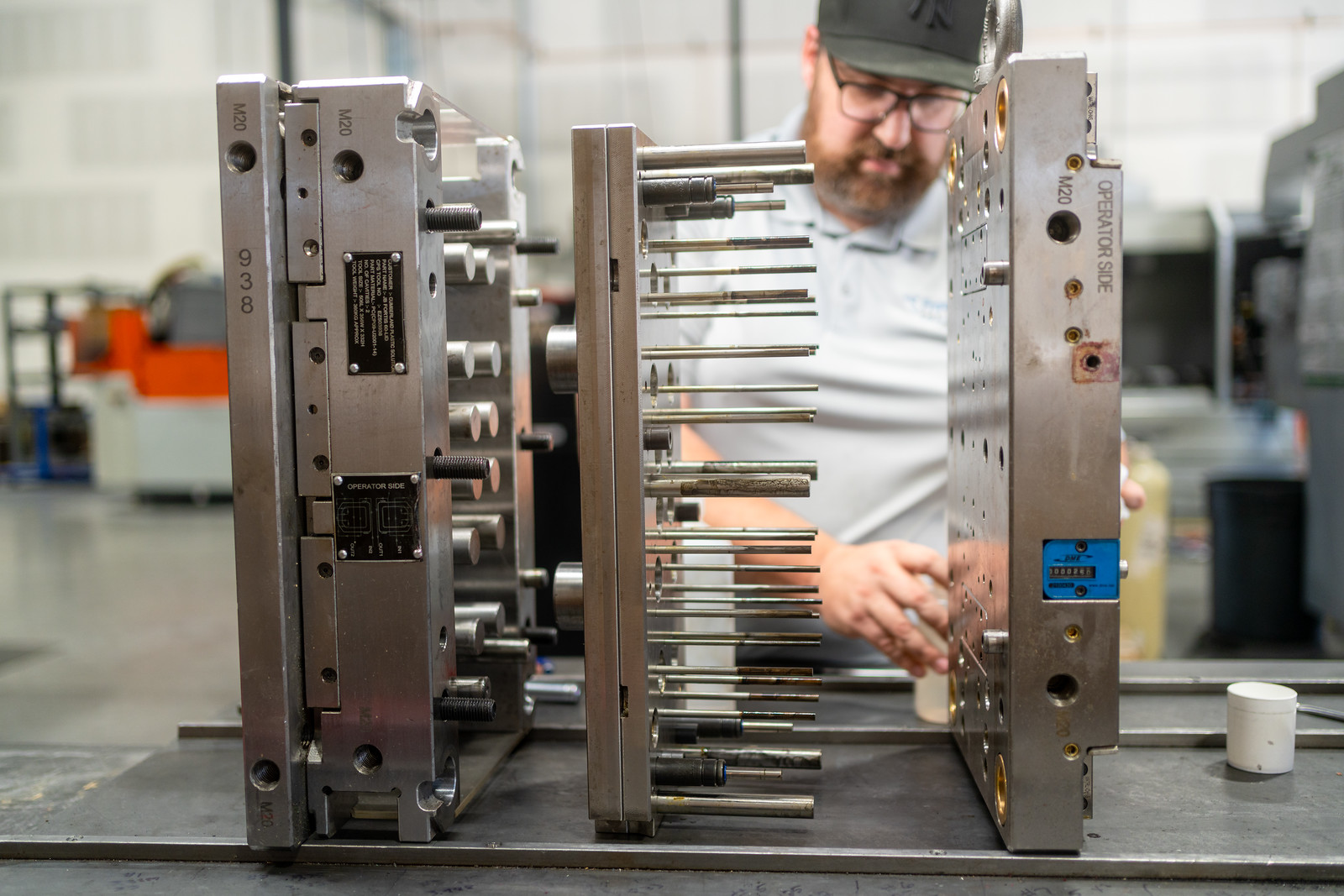
How Long Does an Injection Mold Last? Mold Life by Class, Material, and Care
The mold is often the biggest check you’ll write on a plastic part project. So it’s fair to ask how many parts it will give you. Will it cover your…

Plastic molding turns raw pellets into the parts you use every day. Phone cases, car bumpers, and medical syringes all start the same way. Plastic gets heated, shaped in a mold, and cooled into a finished product.
This guide explains plastic molding in plain terms. You’ll learn how the process works. You’ll see the main methods compared side by side. And you’ll find out which approach fits your project—whether that’s a DIY prototype or a full production run.
First, we’ll cover the basics of how plastic molding works. Then we’ll compare methods, including injection molding, so you can make a confident choice.
Plastic molding is a manufacturing process that shapes raw plastic into finished parts. Plastic pellets or sheets are heated until soft. Then they are forced into or around a mold. Once the plastic cools, it hardens into the mold’s shape.
The most common methods include:
Each method suits different part sizes, shapes, and production volumes. Injection molding is the most widely used for high-volume, precision parts. The Society of Plastics Engineers recognizes injection molding as a foundational technology in modern manufacturing.
Plastic molding is a way to shape raw plastic into usable parts. The basic idea is simple. Heat plastic until it softens. Press or pour it into a mold. Let it cool. The result is a solid part that matches the mold’s shape.
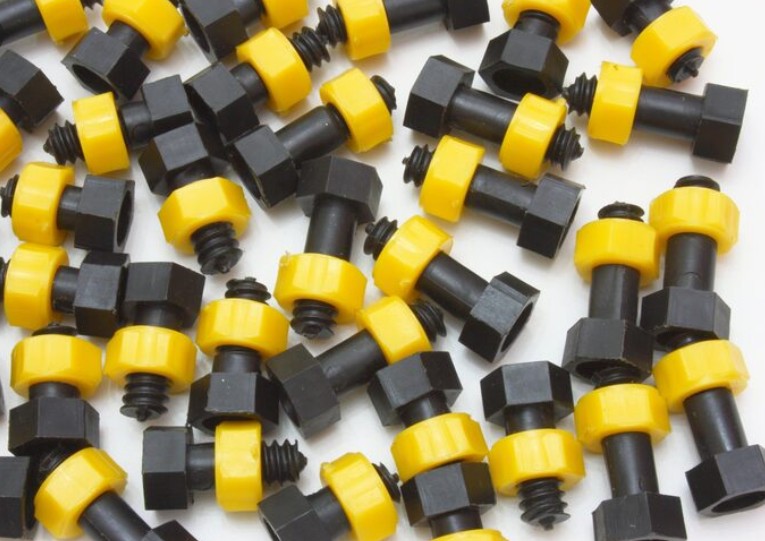
This process makes mass production possible. A single mold can create thousands of identical parts. Each one comes out the same size, shape, and strength. That consistency matters when parts need to fit together or meet safety standards.
At our North Logan facility, we run injection molds that produce thousands of identical parts per hour. This speed and repeatability is why manufacturers trust plastic molding for high-volume work.
Many industries depend on plastic molding every day:
Now that you know what plastic molding means, let’s walk through how the process actually works.
The plastic molding process follows a clear path from raw material to finished part. Here are the basic steps:
The exact steps change based on which molding method you use. Injection molding uses high pressure to fill a closed mold. Blow molding uses air to expand plastic into a hollow shape. Each method has its own timing and equipment needs.
With the basics covered, here’s how the main molding methods compare.
Need high-volume custom parts? Explore our custom plastic injection molding services to see how we can help.
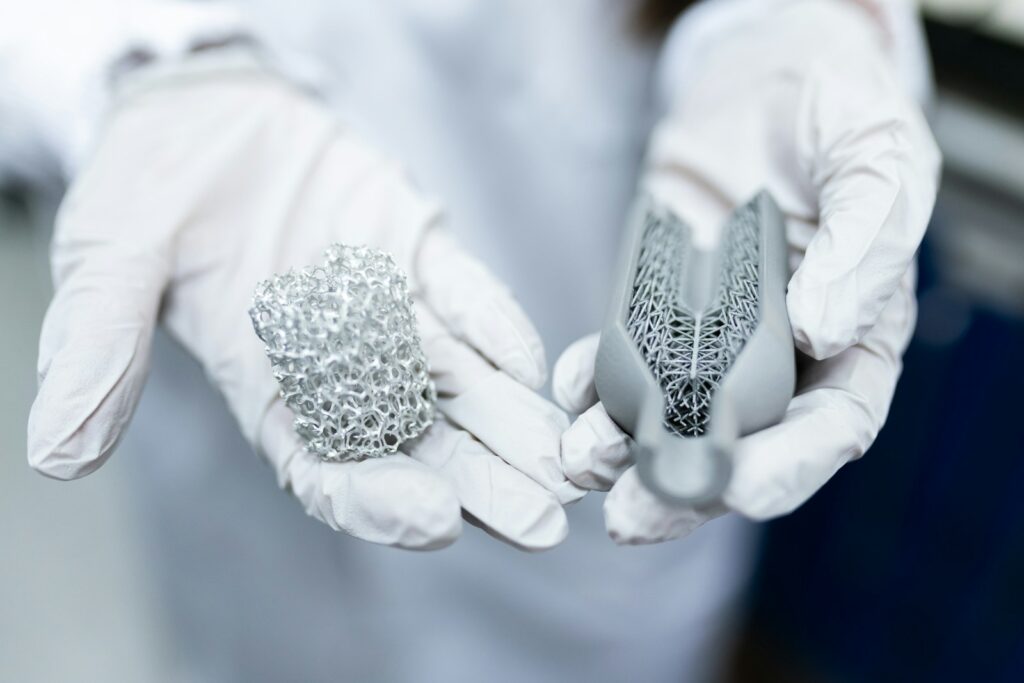
Not all plastic molding methods work the same way. Each one fits different part shapes, sizes, and production volumes. Here’s how the most common methods compare.
Injection Molding Best for high-volume, complex parts with tight tolerances. Molten plastic is injected into a closed mold under high pressure. Many clients see significant per-unit cost reductions when switching from machining to injection molding at scale.
Blow Molding Ideal for hollow items like bottles, tanks, and containers. Air pressure expands heated plastic into the mold shape.
Rotational Molding Works well for large, hollow parts with uniform walls. Think kayaks, playground equipment, and storage tanks. The mold rotates while plastic coats the inside.
Compression Molding Good for simple shapes, often using thermoset plastics. Material is placed in an open mold, then pressed and heated.
Thermoforming Used for thin-wall products like packaging trays and clamshells. A heated plastic sheet is stretched over a mold using vacuum or pressure.
| Method | Best For | Volume Range |
| Injection Molding | Complex, precise parts | 1,000 to millions |
| Blow Molding | Hollow containers | 1,000 to millions |
| Rotational Molding | Large hollow parts | 100 to 10,000 |
| Compression Molding | Simple thermoset parts | 100 to 50,000 |
| Thermoforming | Thin-wall packaging | 500 to millions |
See how Freeform Polymers can scale your production with professional injection molding.
Choosing a method is only half the puzzle—material selection matters just as much.
The plastic you choose affects how your part performs. Different resins offer different strengths. Picking the right one saves time, money, and headaches down the road.
Here are some common resins used in plastic molding:
When selecting a material, consider these factors:
Your material choice also affects mold design. Some plastics shrink more than others as they cool. Others flow differently under pressure. A mold built for one resin may not work well with another.
You have options when it comes to molding plastic parts. Some projects work fine at home. Others need professional equipment and expertise. Here’s how to decide.
DIY Options
DIY makes sense when you’re building prototypes or hobby projects. If you need fewer than 50 units, home methods can save money. You control the timeline and learn the process hands-on.
When Professional Molding Makes Sense
For clients producing 10,000+ units annually, professional injection molding almost always delivers better ROI than low-volume alternatives. The upfront tooling cost spreads across more parts. Per-unit costs drop as volume rises.
Cost Comparison
| Factor | DIY | Professional |
| Upfront cost | Low ($100–$500) | Higher ($3,000–$100,000+ for tooling) |
| Per-unit cost | Higher at volume | Lower at volume |
| Consistency | Variable | Repeatable |
| Speed | Slow | Fast (thousands per day) |
If you’re past the prototype stage and ready to scale, professional molding pays off quickly.
Ready to scale? Contact Freeform Polymers to discuss your project with our team.