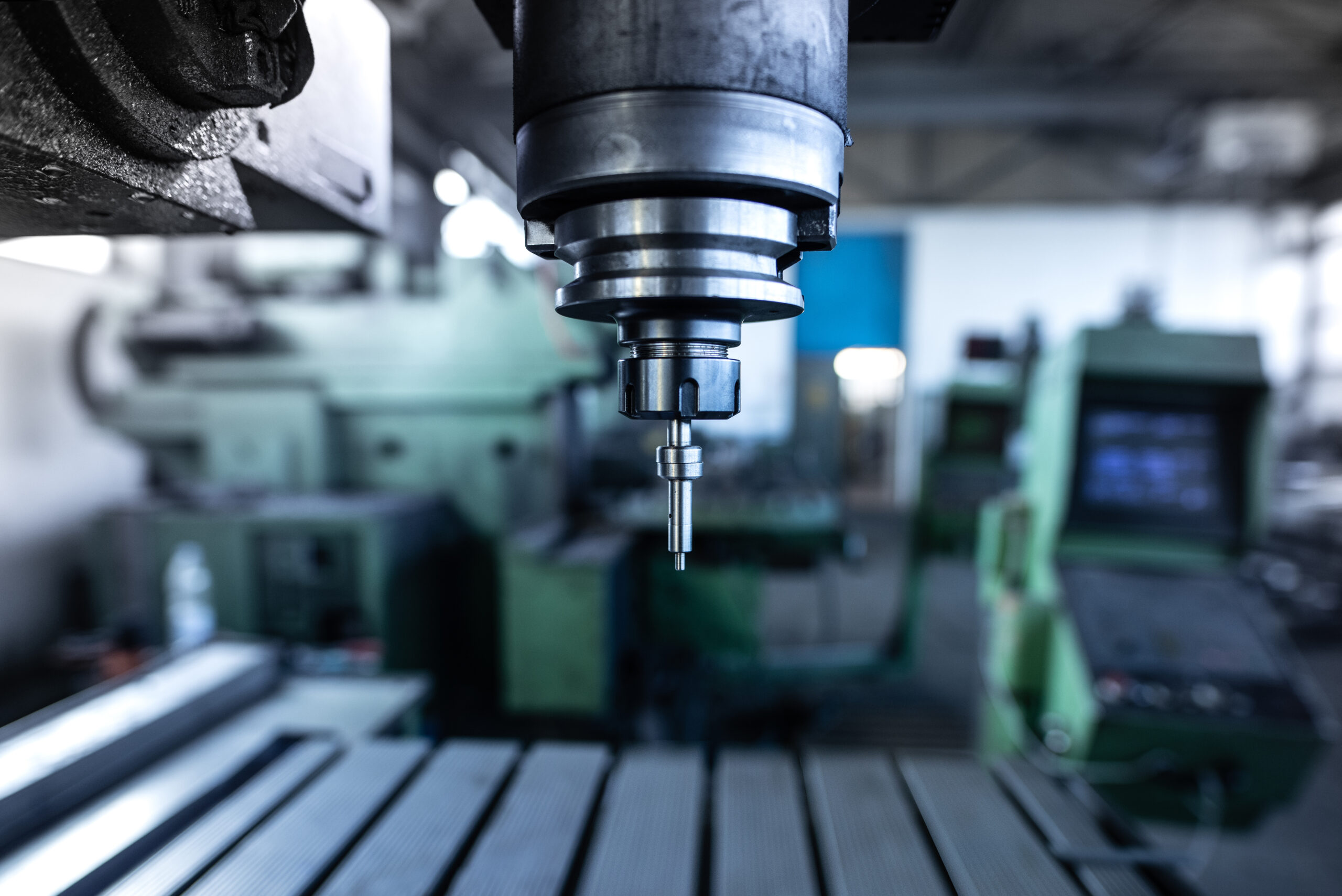
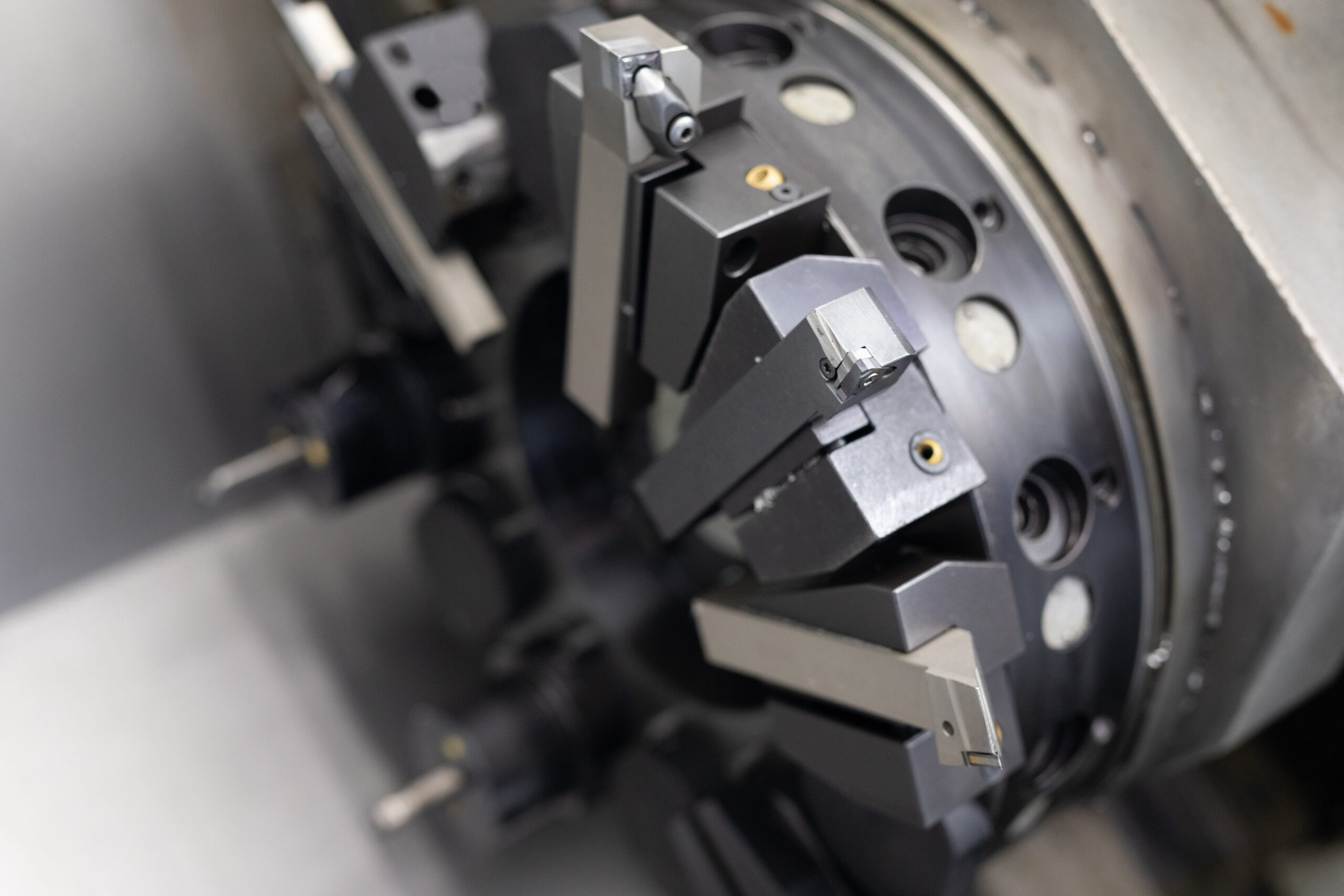
Most people outside of manufacturing don’t know what a plastic injection molding machine is actually called. If you’ve talked to a supplier and felt lost in the terminology, that’s common. Knowing the right name — and what the machine does — helps you ask better questions and choose the right partner.
This article covers what the machine is called, how it works in plain language, and which components matter most. We’ll also share what to look for when evaluating an injection molding shop.
What Is a Plastic Injection Molding Machine Called?
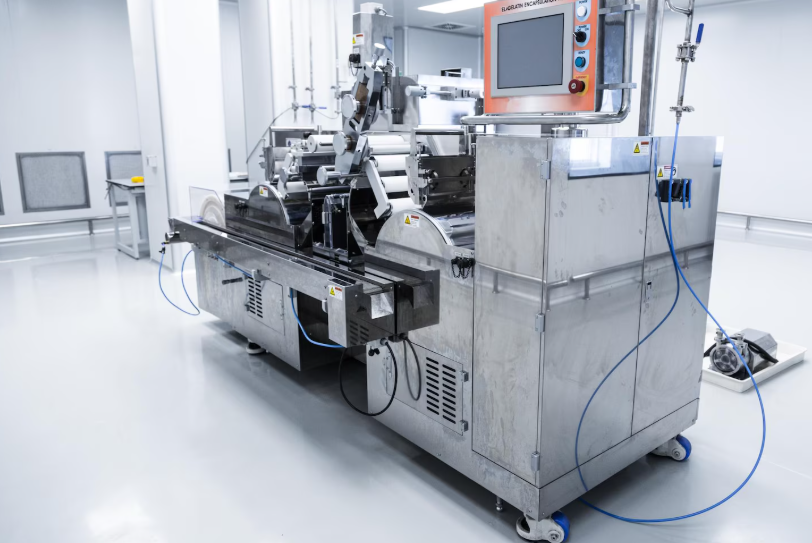
A plastic injection molding machine is most commonly called an injection molding machine or injection press. Some manufacturers also call it an injection molder. The name varies by industry, region, and shop culture — but all three terms refer to the same piece of equipment.
On our floor, we call it the press. That shorthand matters in a working shop because it’s fast and clear. When an operator says “the press is running,” everyone knows exactly what that means.
These machines come in a wide range of sizes:
- Small tabletop units used for prototyping and lab work
- Mid-size presses for moderate production volumes
- Large industrial machines built for high-tonnage, high-volume runs
Size is measured in tonnage — which we’ll explain in the next section.
If you’re sourcing parts and a supplier uses any of these three names, they’re talking about the same machine. The Plastics Industry Association sets the standards and terminology used across the U.S. plastics industry — and all three names appear in common use across their member base.
How Does an Injection Molding Machine Work?
Every cycle on an injection press follows four stages: clamp → inject → cool → eject. Each stage happens in sequence, and the cycle repeats continuously during a production run.
Here’s what each stage does:
- Clamp — The two halves of the mold close and lock shut under pressure. This holds everything in place during injection.
- Inject — Melted plastic is pushed into the mold cavity at high pressure. The material fills the shape of the part.
- Cool — The plastic solidifies inside the mold. Cooling time depends on part thickness and material type.
- Eject — The mold opens and pins push the finished part out. The cycle then starts again.
Cycle time — how long one full cycle takes — directly affects your cost per part. Faster cycles mean more parts per hour. Our operators watch cycle time closely on every run.
Temperature and pressure are the two settings that affect part quality most. If melt temperature is off, you get weak or incomplete parts. If injection pressure is wrong, you get flash, sink marks, or dimensional problems.
Tonnage refers to the clamping force the press applies to hold the mold shut — not the weight of the machine. A higher-tonnage press can handle larger parts and higher injection pressures. Matching tonnage to your part size is one of the first things we check before a run starts.
Key Parts of an Injection Molding Machine (And What They Do)
Understanding the main components helps you have a more informed conversation with any supplier. Here’s a plain-language breakdown of what each part does:
- Hopper — The loading point at the top of the machine. Raw plastic pellets are poured in here before the cycle begins.
- Barrel and screw — Rotates to melt and mix the material, then drives it forward into the mold.
- Nozzle — The exit point of the barrel. Molten plastic passes through here and enters the mold.
- Mold/tooling — The custom-machined cavity that gives your part its shape. Every part design requires its own mold.
- Clamping unit — The mechanism that holds both halves of the mold shut during injection. Clamping force is measured in tonnage.
The part buyers ask us about most is the mold. That makes sense — it’s the most project-specific component and carries the biggest upfront cost. A well-built mold runs cleanly, holds tight tolerances, and lasts for hundreds of thousands of cycles. A poorly built one causes problems from the first shot.
At Freeform Polymers, we handle mold building in-house. That means the team designing your mold is the same team running your production. There’s no handoff, no guesswork, and no finger-pointing if something needs adjustment.
What This Means When Choosing an Injection Molding Partner
Knowing how the machine works gives you a real advantage when evaluating suppliers. Here’s what to look for.
Machine tonnage range signals capability limits. A shop with only low-tonnage presses cannot run large or complex parts. Ask any supplier what their press range covers and whether it fits your part size.
Questions worth asking any injection molding shop:
- What tonnage range do your presses run?
- Do you build molds in-house or outsource tooling?
- How do you monitor and document process parameters during a run?
- What quality certifications do you hold?
Tight tolerances means your finished parts hit exact dimensional targets — consistently, across every cycle. For parts that fit into assemblies or meet regulatory requirements, tolerances are non-negotiable. Ask a supplier how they verify dimensional accuracy and what their scrap rate looks like.
Getting from concept to accurate quote starts with a conversation. The more detail you bring — part geometry, material preference, annual volume, and end-use environment — the faster we can put a real number in front of you.
We’re ISO 9001:2015 certified and based in North Logan, UT. Our team serves businesses across Northern Utah and Southern Idaho with in-house molding, tooling, and contract manufacturing. If you’re ready to talk through your project, contact our team at Info@freeformpolymers.com or (435) 774-9090. We’re open Monday through Friday, 8AM to 5PM.
Contact us at Free Form Polymers and request a free quote today!