What Is CNC Milling? A Guide to Precision Machining
Justin Brown
April 2nd, 2026
You’ve got a CAD file, a material spec, and a deadline. Someone on your team says “let’s CNC mill it” — but what does that actually mean for your part?
CNC milling is one of the most reliable ways to produce precision parts. It works across metals, plastics, and composites. Whether you need a single prototype or a production run, the process gives you tight tolerances and consistent results every time.
This guide breaks down what CNC milling is, how it works, which machine types do what, and how to know if it’s the right fit for your next project. We’ll also walk through real-world applications by industry and how we approach CNC milling here in Northern Utah — from design review to finished part.
At Freeform Polymers, a full-service contract manufacturer in North Logan, UT, we work with businesses across Cache Valley and beyond. We bring precision machining in-house so you don’t have to ship your project overseas.
What Is CNC Milling?
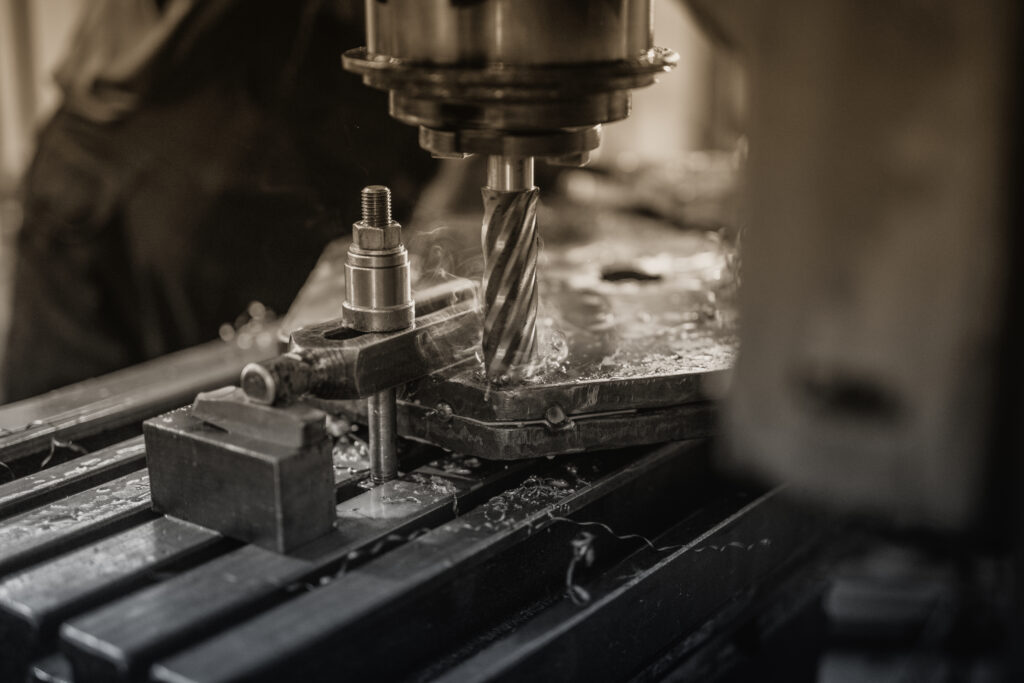
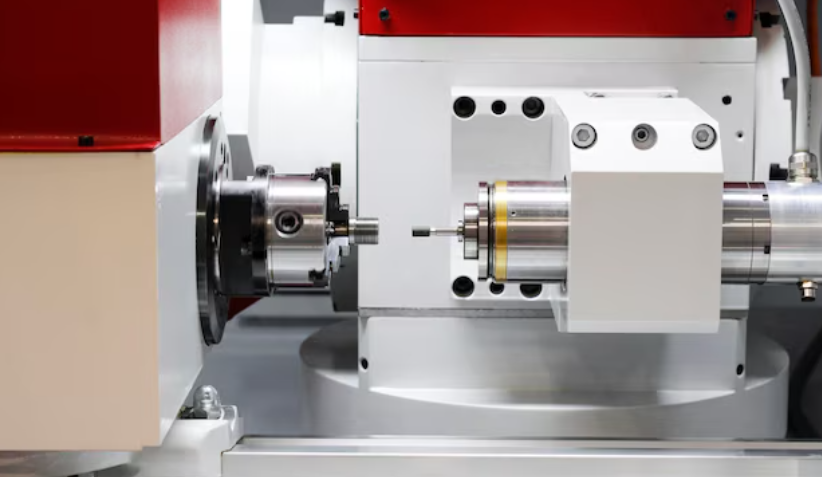
CNC milling — short for Computer Numerical Control milling — is a precision machining process where computer-controlled rotary cutting tools remove material from a solid workpiece to produce a finished part. The machine follows a digital design file (CAD/CAM), executing cuts with high accuracy across multiple axes. CNC milling is used across automotive, aerospace, electronics, and industrial manufacturing to produce complex geometries, tight tolerances, and repeatable results at scale.
Manual milling depends on an operator to guide the cutting tool by hand. CNC milling replaces that with a programmed set of instructions. The machine reads your CAD file and moves the cutting tool along precise paths — no guesswork, no variation between parts.
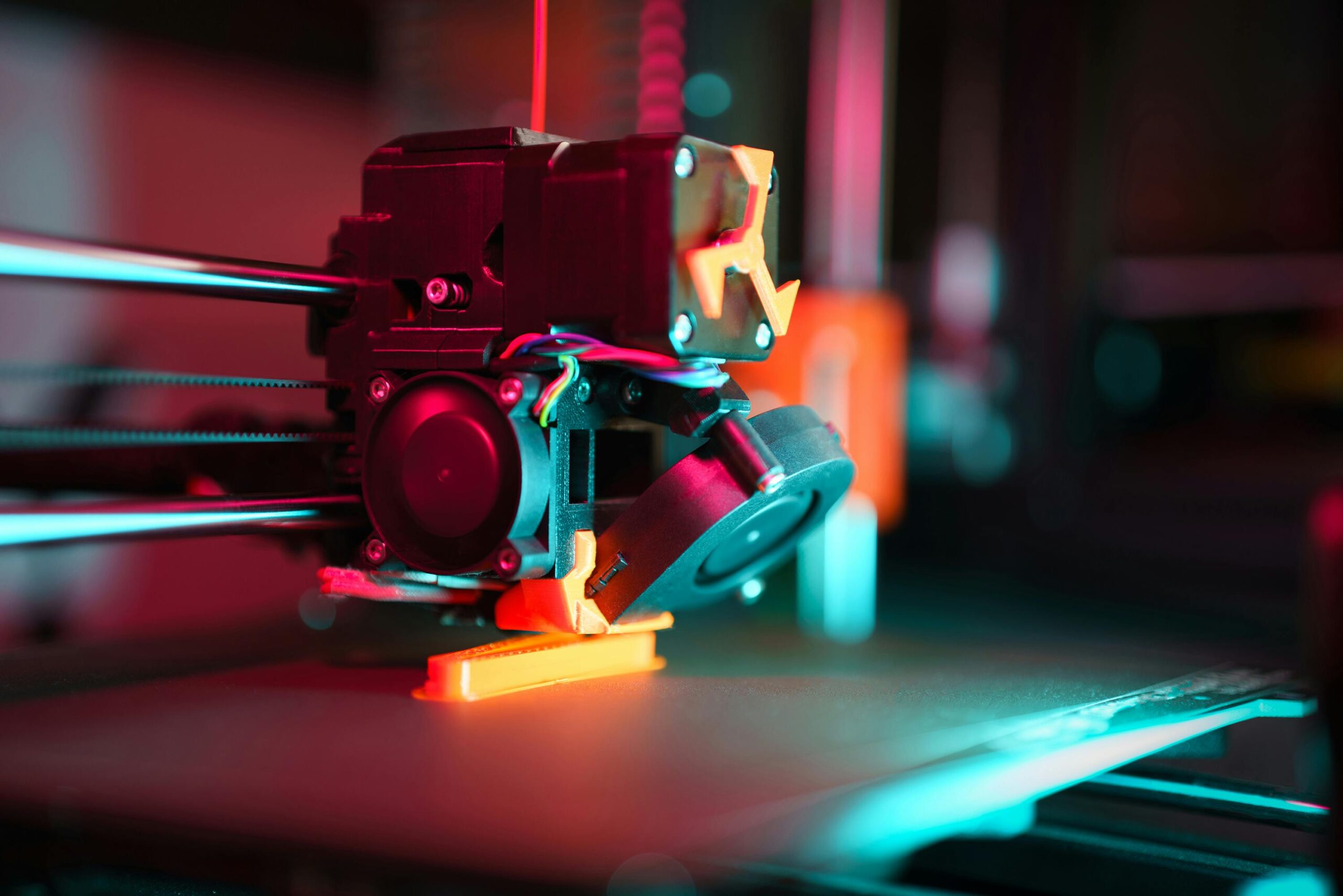
This is a subtractive process. The machine starts with a solid block of material and removes what doesn’t belong. That’s different from 3D printing, which builds a part layer by layer. Subtractive machining gives you better surface finishes and tighter tolerances on most materials.
The two defining advantages of CNC milling are precision and repeatability. Your tenth part comes out the same as your first. That matters whether you’re making one mold cavity in our North Logan shop or a hundred brackets for an aerospace customer.
Every milling job we take on starts with a Design for Manufacturability (DFM) review. We look at your file before a single cut is made. That step catches tolerance issues, material conflicts, and geometry problems early — before they cost you time or money.
Types of CNC Milling Machines
Not all CNC mills are built the same. The machine type affects what geometries you can cut, how many setups your part requires, and what your final tolerances look like. Here’s how the main types break down.
Vertical vs. Horizontal CNC Mills
The spindle orientation is the key difference between these two machine types.
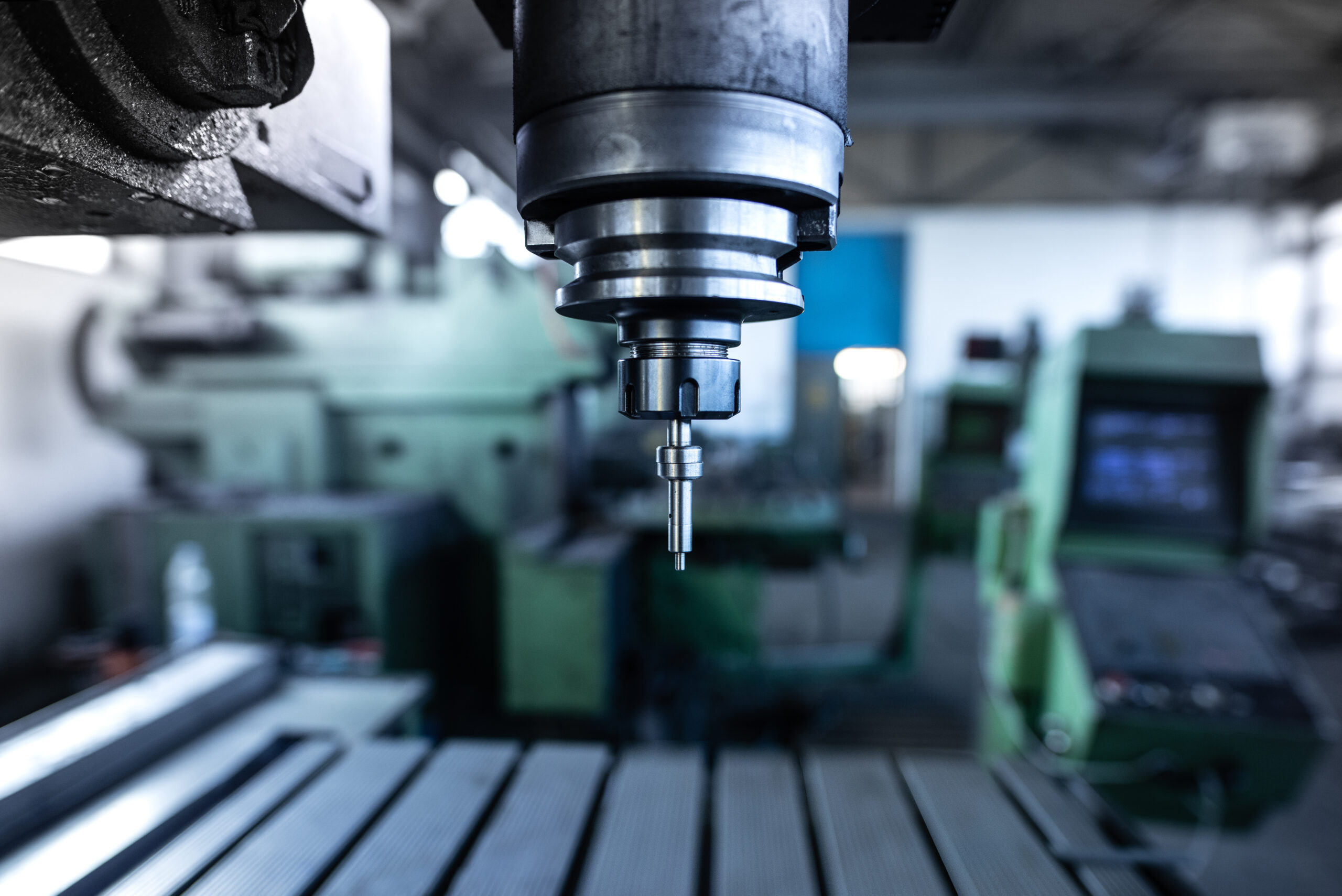
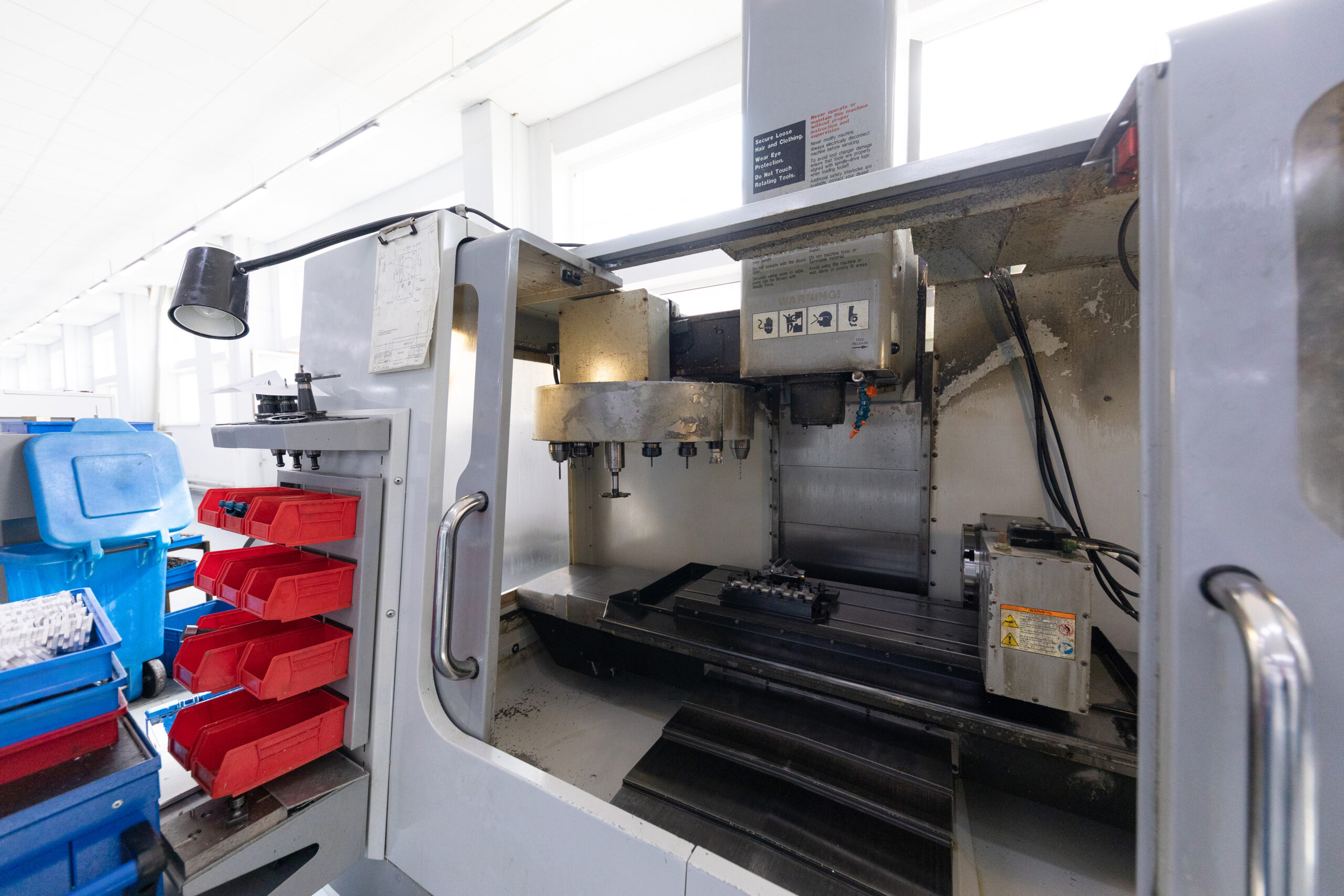
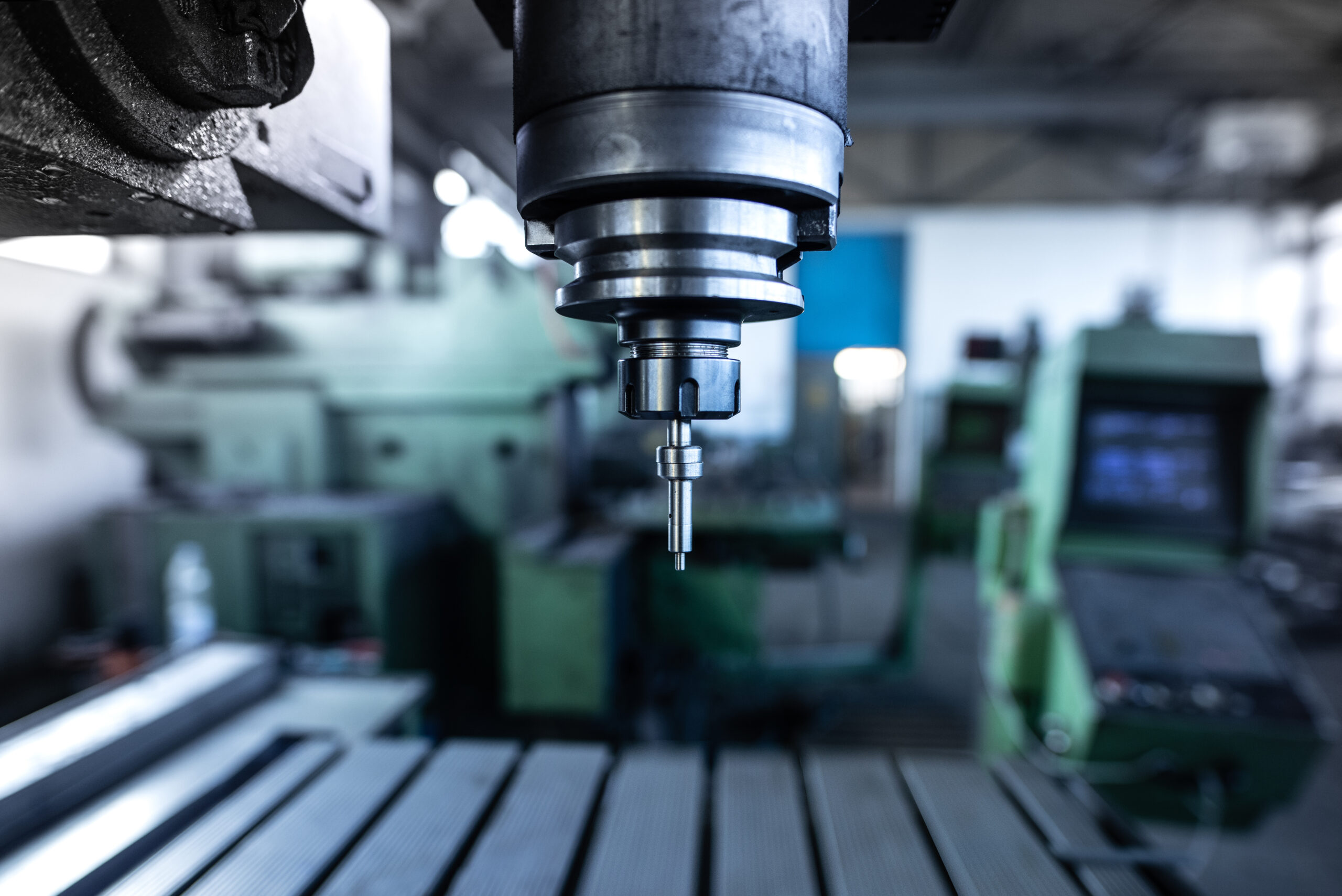
A vertical mill has a spindle that points straight down toward the workpiece. It’s the most common setup in machine shops. Vertical mills handle a wide range of parts well — flat surfaces, slots, pockets, and contoured profiles. They’re cost-effective for most general machining work.
A horizontal mill has a spindle that runs parallel to the table. This setup is better for heavy cuts and deep slots. It’s also more efficient when you need to machine multiple faces of a part in a single run. Horizontal mills are common in high-volume production environments.
3-Axis, 4-Axis, and 5-Axis Milling Machines
The number of axes tells you how many directions the cutting tool — or the workpiece — can move during machining.
Machine Type
Axes of Movement
Best For
Common Industries
3-Axis
X, Y, Z
Flat parts, simple profiles, pockets
General manufacturing, electronics
4-Axis
X, Y, Z + rotation (A)
Cylindrical parts, angled features
Automotive, aerospace
5-Axis
X, Y, Z + two rotations
Complex geometries, undercuts, fewer setups
Aerospace, medical, mold making
3-axis milling is the standard starting point. The tool moves left-right, front-back, and up-down. It handles most common part geometries without issue.
4-axis milling adds rotation around one axis. This lets the machine reach angled surfaces without repositioning the part by hand. It’s useful for parts with features on the side or at an angle.
5-axis milling adds a second rotation. The cutting tool can approach the workpiece from almost any direction. Complex geometries that would require four or five separate 3-axis setups can often be done in one. That means fewer handling steps, better accuracy, and faster turnaround.
Drill/Tap Machines
Drill/tap machines are specialized tools within a milling workflow. They handle hole-making and thread-cutting operations quickly and accurately. In a production environment, offloading drilling and tapping to a dedicated machine keeps your milling center free for higher-complexity work. For parts that require many threaded holes — like enclosures or mechanical assemblies — this step matters more than most buyers expect.
Common Applications for CNC Milling
CNC milling shows up across nearly every manufacturing industry. The process is reliable anywhere you need tight tolerances, complex shapes, or consistent results across multiple parts. Here’s where it does its best work.
Automotive
Automotive parts demand strength and dimensional consistency. CNC milling produces:
Engine brackets and housings
Transmission components
Suspension parts and mounting plates
Custom fixtures for assembly lines
Tolerances in automotive applications are tight. A part that’s off by a few thousandths of an inch can cause fit or function problems downstream.
Aerospace
Aerospace parts carry some of the strictest dimensional requirements in manufacturing. Materials like aluminum, titanium, and high-strength alloys are common. CNC milling handles these materials well and holds the tolerances aerospace customers expect. Structural brackets, panel components, and control system parts are all typical applications.
5-axis milling is especially useful here. Many aerospace parts have complex curves and undercuts that can’t be reached with a standard 3-axis setup.
Electronics
Electronics enclosures, heat sinks, and connector bodies are common CNC milling applications. These parts often need precise cutouts, mounting holes, and smooth surface finishes. Aluminum is a popular material choice because it machines cleanly and dissipates heat well.
Medical
Medical components require exact dimensions and clean surface finishes. Surgical instruments, implant components, and device housings are all produced through CNC milling. We are actively pursuing ISO 13485 certification here in North Logan to better serve customers with medical device manufacturing needs in Cache Valley and across the country.
Mold Making
This is where CNC milling connects directly to our injection molding work. Mold cavities and cores require extremely precise machining. A mold that’s off by even a small amount produces bad parts at scale.
We mill mold components in-house at our North Logan facility. A customer recently came to us with aluminum mold cores they needed machined from scratch — moving out of 3D-printed prototype tooling and into production-grade molds. Keeping that work local meant faster turnaround and direct communication at every step.
If you’re developing a new plastic part in Cache Valley or Northern Utah, combining our mold making and CNC milling capabilities under one roof saves you time and coordination costs.
5 Things to Consider Before Starting a CNC Milling Project
Getting your part right starts before the machine turns on. These five factors shape your cost, timeline, and final result.
1. Part Geometry
Look at your design and ask how many sides need to be machined. Simple flat parts work fine on a 3-axis mill. Parts with angled features, undercuts, or complex curves may need 4-axis or 5-axis machining. More complex geometry isn’t a problem — but it needs to be planned for from the start.
2. Material Choice
Different materials machine very differently. Aluminum cuts fast and cleanly. Steel takes more time and tool wear. Plastics like Delrin and nylon are machinable but require different speeds and feeds than metals. Glass-filled materials are abrasive and accelerate tool wear. Bring your material spec early so we can match the right setup to your job.
3. Tolerances and Surface Finish
Tighter tolerances mean more setups, slower feed rates, and more inspection steps. That adds time and cost — but sometimes it’s exactly what the part requires. Surface finish requirements follow the same logic. A raw machined finish works for many applications. A polished or anodized finish adds steps. Know what your part actually needs before you quote it.
4. Production Volume
A one-off prototype and a run of 500 parts are set up differently. Prototype work prioritizes speed and flexibility. Production runs prioritize repeatability and efficiency. At our North Logan shop, we handle both — but the approach changes depending on what you need. Tell us your volume upfront so we can plan the right process.
5. Lead Time and Design for Manufacturability
Rushing a part into production without a DFM review is one of the most common ways projects go over budget. Small design changes — a slightly larger radius here, a repositioned hole there — can cut machining time significantly. We review every job for manufacturability before we cut. That step protects your timeline and your budget.
How Freeform Polymers Approaches CNC Milling
We’ve been serving manufacturers and product developers in Cache Valley and Northern Utah since 2011. Here’s exactly how we handle a CNC milling project from start to finish.
Design and Planning
Every project starts with your files. We review your CAD data for manufacturability before anything else. If we spot a feature that will cause problems — a tolerance that’s tighter than necessary, a geometry that adds setups without adding value — we flag it and talk it through with you. Our partnership with Utah State University also gives us access to state-of-the-art technology and fresh engineering talent that feeds directly into this planning phase.
Material Selection
We work with a wide range of metals, plastics, and composites. If you already have a material spec, we’ll work within it. If you’re still deciding, we’ll walk you through the tradeoffs — machinability, cost, strength, and finish. Getting material selection right at this stage prevents problems in production.
Precision Setup
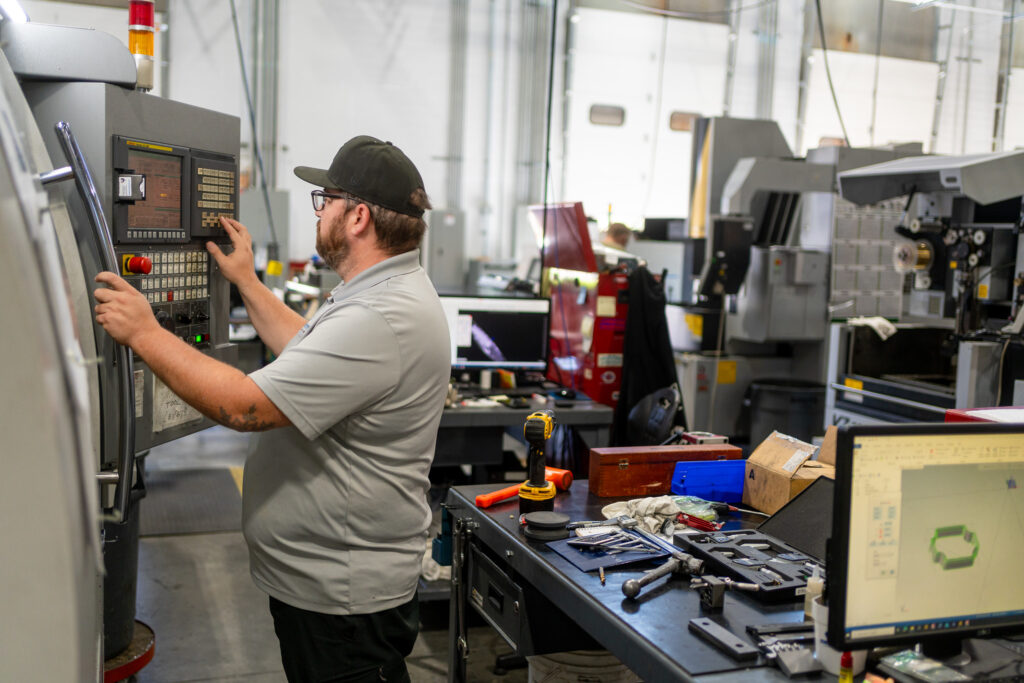
Our machines are calibrated before every job. Setup includes fixture design, toolpath programming, and test cuts where needed. A well-planned setup is what separates a part that’s close from a part that’s right. We don’t rush this step.
Execution
We run your parts to spec. Our team of experienced manufacturing professionals holds tolerances across 3-axis, 4-axis, and 5-axis work. We track tool wear, monitor feeds and speeds, and make adjustments in real time. Your part should come out the same on the last cycle as it did on the first.
Quality Control
Every part that leaves our North Logan facility goes through dimensional inspection before it ships. We are ISO 9001:2015 certified — the globally recognized standard for quality management systems — which means our quality processes are documented, followed, and verified, not just talked about. If a part doesn’t meet spec, it doesn’t ship. That’s our quality policy, and it applies to every job regardless of size.
We’re also pursuing ISO 13485 and AS9100 certifications to serve customers in medical device manufacturing and aerospace. If your industry has strict quality requirements, we’re building toward meeting them.
Ready to get your parts into production? Contact us and request a project quote today!
Most machining processes work by removing material through physical force. A spinning tool cuts, grinds, or drills. Electrical discharge machining (EDM) works without touching the part at all. It uses…
You’ve got a CAD file, a material spec, and a deadline. Someone on your team says “let’s CNC mill it” — but what does that actually mean for your part?…
Managing a plastic parts project means keeping a lot of moving pieces in order. Who designs the mold? Who sources the resin? Who runs production? Who handles assembly and ships…
You have a plastic part to produce. You pull up two options: injection molding and 3D printing. Both look like they could work. So how do you know which one…
You’ve finalized your part design. Your production numbers are climbing. Now comes the real question: is your current plastic molding process actually built for the volume you need? For manufacturers…
Need 50 plastic parts — not 50,000? Many manufacturers will turn you away. That’s exactly where short-run injection molding fills the gap. Standard injection molding is built for high-volume runs.…
Most people outside of manufacturing don’t know what a plastic injection molding machine is actually called. If you’ve talked to a supplier and felt lost in the terminology, that’s common.…
You have a plastic part design ready. A manufacturer tells you it needs to be injection molded. Then they start talking about cavities, cores, and ejector systems — and you’re…