What Are the 5 Natural Polymers? A Simple Guide for Manufacturers
Justin Brown
January 2nd, 2026
Did you know the same material in crab shells could end up in medical bandages? Nature has been making polymers long before factories existed.
This guide breaks down the 5 natural polymers you need to know. We’ll explain what they are, where they come from, and why they matter for modern manufacturing.
You’ll learn about each natural polymer and how it compares to synthetic options. We’ll also show you how manufacturers use them today. By the end, you’ll know which types work best for different projects.
What are the 5 natural polymers?
The 5 natural polymers are:
Cellulose – Found in plant cell walls. Used in paper, textiles, and packaging.
Starch – Found in potatoes, corn, and grains. Used in food packaging and biodegradable plastics.
Proteins – Found in silk, wool, and collagen. Used in medical devices and textiles.
Chitin – Found in crab shells and insect exoskeletons. Used in wound dressings and water treatment.
Natural Rubber – Found in rubber tree sap. Used in tires, gloves, and seals.
These polymers come from plants, animals, or microorganisms. They break down naturally. This makes them popular for eco-friendly manufacturing.
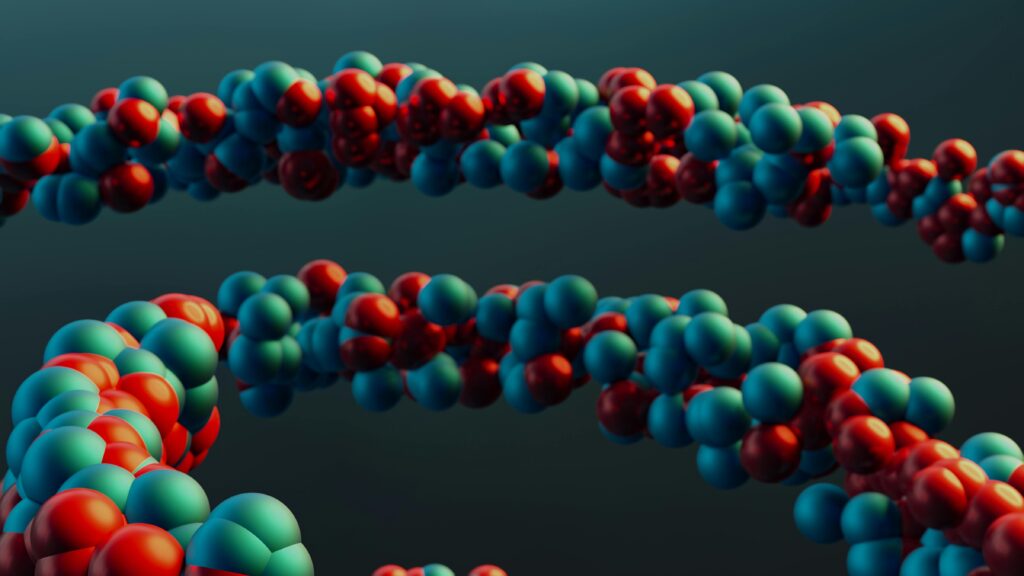
A polymer is a long chain of repeating molecules. Think of it like a paper clip chain. Each link connects to the next one.
Natural polymers form inside living things. Plants, animals, and tiny organisms all make them. These materials existed millions of years before synthetic plastics came along.
Two traits set natural polymers apart:
They come from renewable sources
They break down over time in the environment
In our experience working with manufacturers, many clients don’t realize natural polymers can meet performance specs for certain applications. The key is matching the right polymer to your project needs.
The 5 Natural Polymers Explained
1. Cellulose
Cellulose is the most abundant natural polymer on Earth. You’ll find it in wood, cotton, and hemp. Plant cell walls are made of it.
Common uses include:
Paper and cardboard
Rayon fabric
Pharmaceutical tablets
Packaging materials
2. Starch
Plants store energy as starch. It comes from corn, potatoes, rice, and wheat. You likely eat it every day.
Manufacturers use starch for:
Biodegradable packaging
Food containers
Adhesives and glues
3. Proteins (Collagen, Silk, Keratin)
Proteins are built from amino acid chains. They come from animal tissue, silk cocoons, wool, and hair. Each type has different properties.
Common uses include:
Medical sutures
Cosmetics
Textile fibers
4. Chitin (and Chitosan)
Chitin is the second most abundant natural polymer. It comes from crustacean shells, insect exoskeletons, and fungi cell walls.
Manufacturers use chitin for:
Wound care products
Water filtration
Agricultural films
5. Natural Rubber (Polyisoprene)
Natural rubber comes from rubber tree latex. It’s elastic and durable. Workers harvest it by tapping the trees.
Common uses include:
Tires
Gloves
Footwear
Industrial seals
Natural Polymers vs. Synthetic Polymers
Both types have strengths and weaknesses. Your project needs will determine which works best.
Natural polymers offer:
Renewable sources
Biodegradable breakdown
Lower carbon footprint
Synthetic polymers offer:
Consistent performance
Lower cost at scale
Longer lifespan
Natural polymers can vary from batch to batch. This creates a consistency challenge for some projects. Synthetic polymers come from petroleum, which raises environmental concerns.
Many modern products blend both types for balance. This gives you the best of each world.
Factor
Natural Polymers
Synthetic Polymers
Source
Plants, animals, microbes
Petroleum, chemicals
Biodegradable
Yes (most)
No (most)
Cost
Often higher
Often lower
Consistency
Can vary
Highly consistent
Performance
Good for many uses
Engineered for specific needs
One client switched to a starch-based film for packaging. They reduced waste costs and met their sustainability goals. The right choice depends on your specific application.
Natural polymers show up in more products than you might expect. Here’s where manufacturers use them most.
Packaging Industry
Starch-based films for food wrap
Cellulose wraps for produce
Biodegradable packing peanuts
Medical Devices
Chitin wound dressings
Collagen implants
Protein-based sutures
Textiles
Silk fabrics
Wool garments
Rayon (made from cellulose)
Automotive
Natural rubber seals
Bio-composites in interior panels
Rubber gaskets and hoses
A growing trend is blending natural polymers with traditional plastics. This approach improves sustainability without sacrificing performance.
Some bio-based resins can now be injection molded. This opens new doors for manufacturers who want greener options. The technology keeps improving each year.
Choosing the Right Polymer for Your Project
Picking the right polymer comes down to four main factors:
Durability needs – How long must the part last?
Environmental goals – Do you need biodegradable materials?
Budget – What can you spend per unit?
Volume – How many parts do you need?
Natural polymers work best for:
Disposable products
Biodegradable packaging
Medical applications
Short-term use items
High-stress or long-life parts often still need synthetic or hybrid options. A car engine gasket needs different properties than a food container.
Our team regularly helps clients weigh natural vs. synthetic options. We look at your product requirements and sustainability goals together.
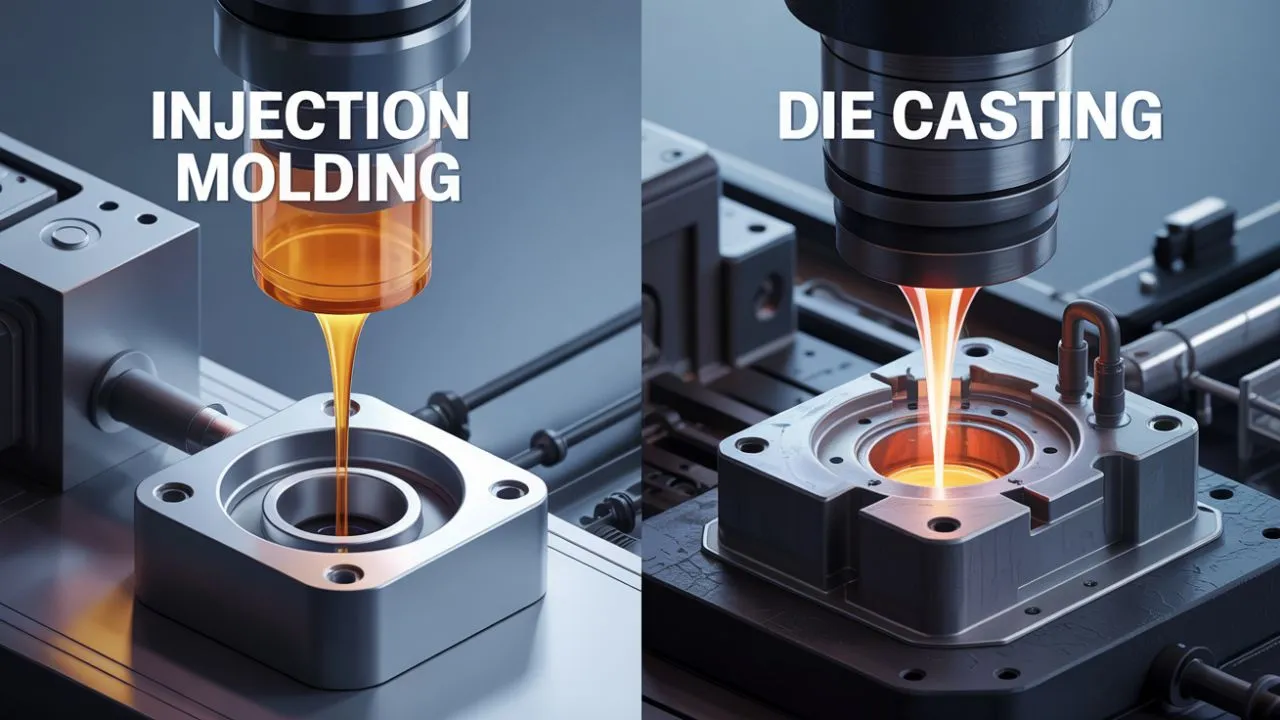
Should your part be plastic or metal? That question decides whether you need injection molding or die casting. Both processes push melted material into a mold under pressure. From across…
Is it cheaper to build your mold overseas or here at home? The honest answer depends on what you actually count. Many buyers compare domestic vs overseas injection molding using…
You have a part to make. Someone mentioned CNC turning or CNC milling. Maybe both came up. They sound alike, but they are not the same process. Picking the wrong…
You’ve probably seen the letters “ISO 9001:2015” on a badge or a website. It might look like just another logo. But it means something specific. ISO 9001:2015 certification tells you…
If you’ve gotten quotes from two injection molding companies, you may have noticed something. One mentions a hydraulic machine. The other mentions an electric machine. You might wonder if that…
Combining metal with plastic takes a different process than adding a soft grip to a hard plastic part. Both are common in insert molding and overmolding, but they solve different…
Not all injection molds are built the same way. At Freeform Polymers, we’ve seen how the type your part needs can change your tooling cost by thousands of dollars. That…
Ever gotten a design review back with a flag that says “insufficient draft”? You had no idea what that meant. It’s one of the most common notes molders give on…