Advantages and Disadvantages of Plastic Injection Molding: Is Custom Manufacturing Right for You?
Justin Brown
January 29th, 2026
Is plastic injection molding the right choice for your custom parts—or will the upfront costs outweigh the benefits?
That’s a fair question. Tooling can run into the tens of thousands of dollars. Lead times stretch for weeks. Once the mold is cut, changes get expensive fast.
But plastic injection molding also delivers speed, consistency, and low per-unit costs that other methods can’t match at scale.
This guide breaks down the real advantages and disadvantages of plastic injection molding so you can make a smart decision for your custom manufacturing project. We’ll cover the biggest benefits, the common drawbacks, and how to tell if injection molding fits your needs. By the end, you’ll know whether to move forward or explore other options.
What Are the Advantages and Disadvantages of Plastic Injection Molding?
Plastic injection molding offers major benefits for custom manufacturing but comes with trade-offs.
Main advantages:
High production speed (thousands of parts per day)
Low per-unit cost at high volumes
Consistent quality and tight tolerances
Wide material and color options
Minimal waste compared to other methods
Main disadvantages:
High upfront tooling costs ($3,000–$100,000+)
Long lead times for mold creation (4–12 weeks typical; complex molds may take longer)
Design changes are expensive after tooling
Not cost-effective for low volumes (under 1,000–5,000 parts)
How Plastic Injection Molding Works (Quick Overview)
Understanding the process helps explain why the advantages and disadvantages exist.
It starts with small plastic pellets. These pellets are heated until they melt into a thick liquid. The molten plastic is then injected into a steel or aluminum mold under high pressure.
Inside the mold, the plastic cools and hardens. This takes seconds to minutes depending on the part size. Once solid, the mold opens and the part ejects. Then the cycle repeats.
The whole process is built for high-volume, repeatable production. That’s why it shines when you need thousands of identical parts.
We often explain this to first-time buyers who assume the process is slow. In reality, cycle times typically range from 15 seconds to 2 minutes for most parts. Speed is one of injection molding’s biggest strengths—but it only pays off at the right volume.
Key Advantages of Plastic Injection Molding
Here’s why so many manufacturers rely on this method for custom plastic parts.
High efficiency and speed. Cycle times range from 15 seconds to 2 minutes for most parts. That means hundreds to thousands of units per day from a single mold. Few other methods match this output.
Low cost per part at scale. The upfront tooling investment is real. But once the mold is paid off, each additional part costs very little. High-volume orders drive unit costs down fast.
Consistent quality and precision. Standard injection molding holds tolerances of ±0.005 inches. For precision applications, tight tolerances of ±0.002 inches or better are achievable. Every part comes out nearly identical. That repeatability matters when parts must fit together or meet strict specs. The Plastics Industry Association (formerly known as SPI) sets mold classification standards that help ensure quality and consistency across the industry.
Material versatility. Hundreds of thermoplastics work with this process. You can add strength, flexibility, UV resistance, or color. The right material matches your product’s exact needs.
Minimal waste. Runners and sprues—the extra plastic from the molding process—can often be ground up and reused. Compared to machining, which cuts away material, injection molding generates far less scrap.
Common Disadvantages of Plastic Injection Molding
No manufacturing method is perfect. Here are the trade-offs you should weigh before committing.
High tooling costs. Molds range from $3,000 for simple single-cavity tools to $100,000 or more for complex multi-cavity designs. This upfront investment is the biggest barrier for many projects.
Long lead times for tooling. Expect 4 to 12 weeks before production starts for standard molds. Complex molds with side actions or hot runners can take up to 20 weeks. The mold must be designed, machined, and tested. If you need parts next week, injection molding won’t deliver.
Design inflexibility after tooling. Once the mold is cut, changes get expensive. A small tweak might require rework. A major change often means a brand-new mold.
Not economical for low volumes. The math usually works at 1,000 to 5,000 units or more. Below that, you’re spreading a large tooling cost across too few parts. Other methods often make more sense for small batches.
Part design constraints. Injection molding has rules. You need uniform wall thickness, draft angles for easy ejection, and careful handling of undercuts. Designs that ignore these rules cause defects or drive up costs.
In our experience, the biggest surprise for new clients is how expensive design changes become once the mold is cut. We always recommend finalizing prototypes before tooling begins.
Plastic Injection Molding vs Other Custom Manufacturing Methods
Injection molding isn’t always the answer. Here’s how it stacks up against common alternatives.
Method
Best For
Volume Sweet Spot
Relative Cost
Injection Molding
Complex plastic parts at scale
1,000+ units
High tooling, low per-part
3D Printing
Prototypes, custom one-offs
1–100 units
No tooling, high per-part
CNC Machining
Metal parts, tight tolerances
1–500 units
No tooling, high per-part
Blow Molding
Hollow parts like bottles
1,000+ units
Moderate tooling, low per-part
Compression Molding
Large simple parts, rubber
500+ units
Lower tooling, slower cycles
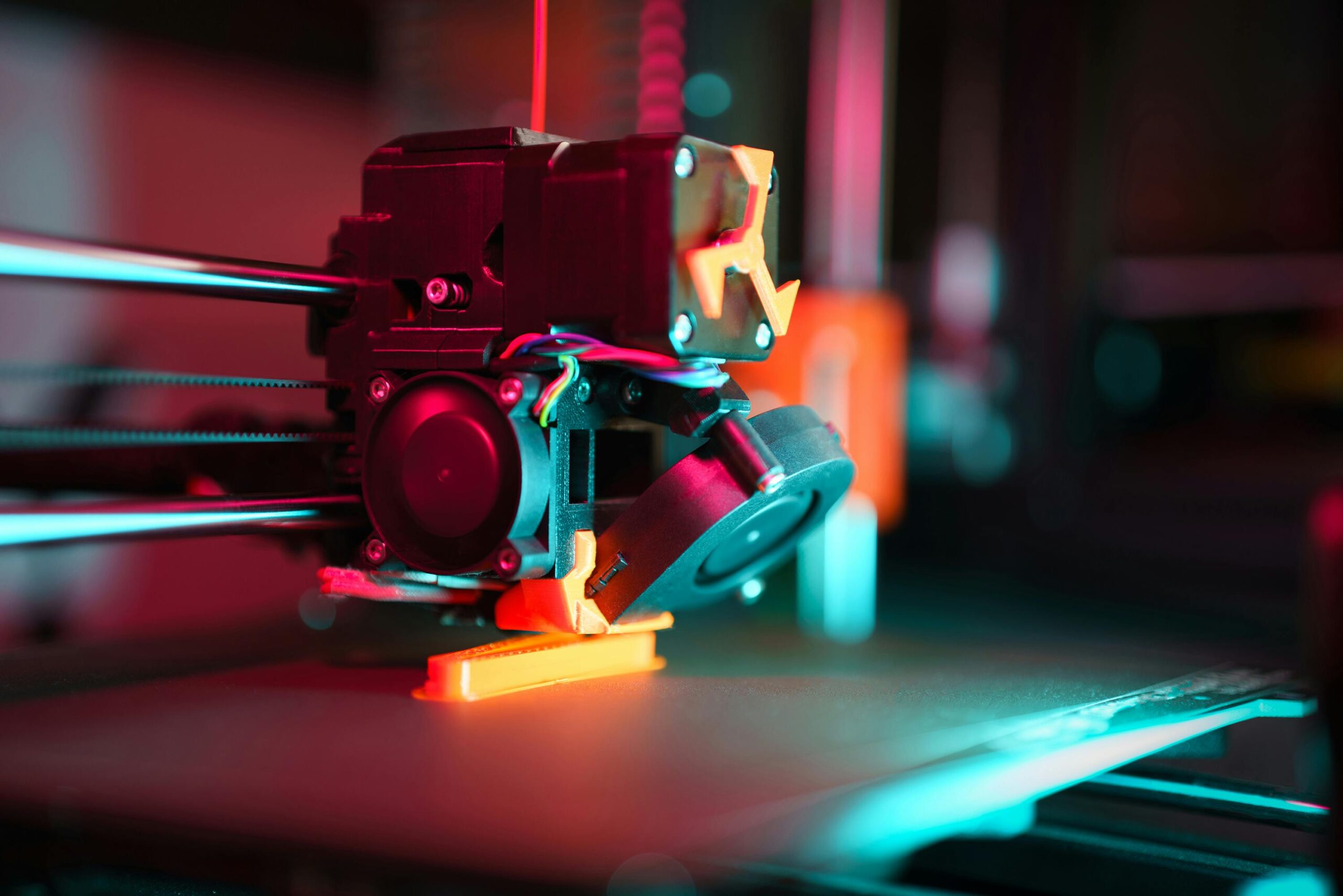
3D printing works well for prototypes and very low volumes. But parts are slower to produce and often weaker than injection-molded ones.
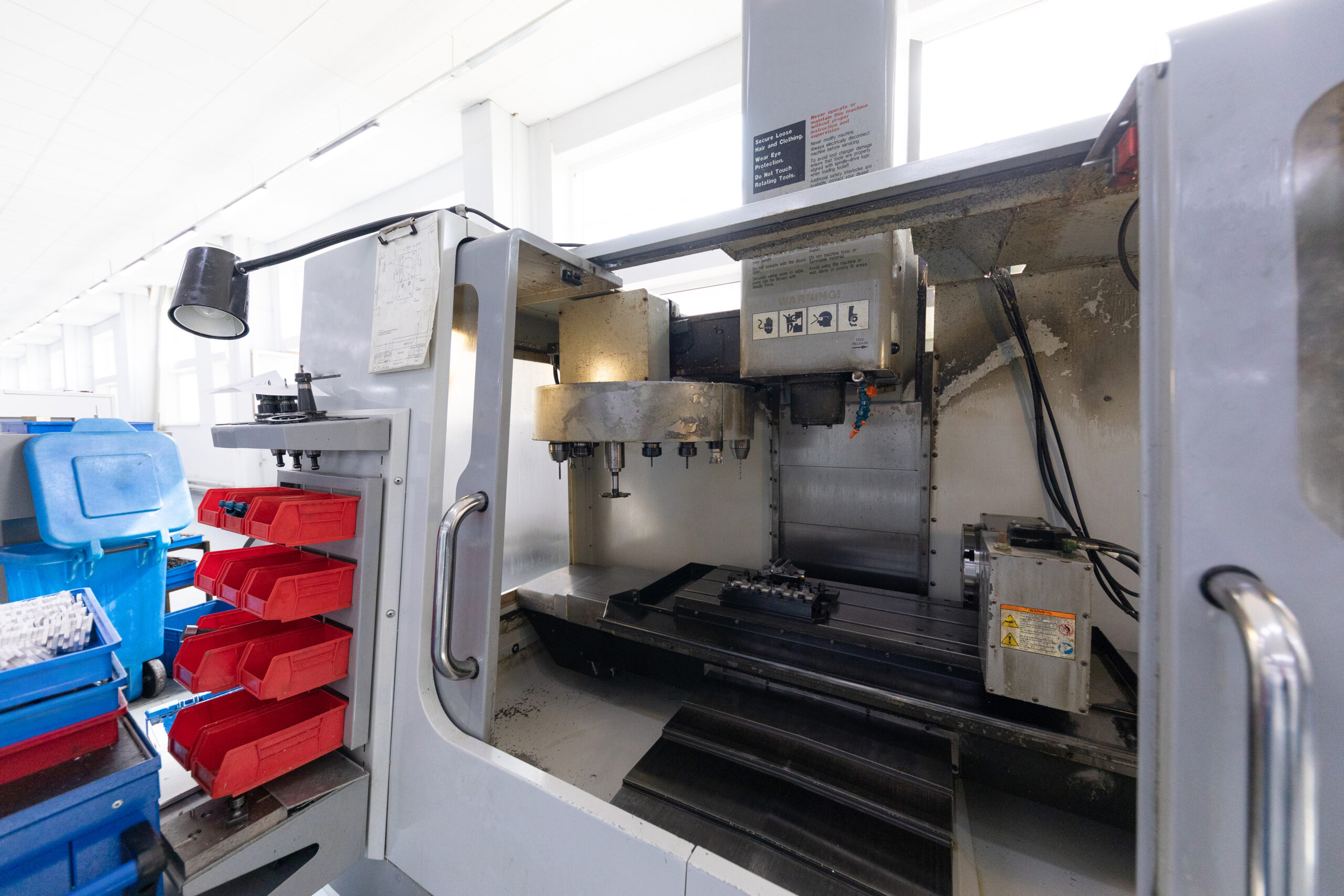
CNC machining handles metal and achieves very tight tolerances. Per-part costs stay high even at volume, so it rarely beats injection molding for plastic.
Blow molding is the go-to for hollow shapes like bottles and tanks. It can’t produce solid components.
Compression molding costs less to tool up. But cycle times are slower and precision is lower.
Injection molding wins when you need high volumes, complex shapes, tight tolerances, and fast turnaround—all in plastic.
How to Know If Injection Molding Is Right for Your Project
Use these criteria to decide if injection molding fits your needs—or if another method makes more sense.
Volume threshold. Are you ordering 1,000 to 5,000 units or more? That’s typically where injection molding starts to pay off. Below that range, tooling costs eat into your budget.
Design stability. Is your design finalized? Prototype testing complete? Jumping into tooling with an unproven design risks expensive mold changes later.
Material requirements. Can your part be made from thermoplastic? Injection molding works with hundreds of plastic types. But if you need metal, glass, or certain specialty materials, you’ll need a different process.
Budget for upfront investment. Can you absorb tooling costs before production revenue comes in? Molds require payment before parts ship. Make sure cash flow can handle the timing.
Timeline expectations. Can you wait 4 to 12 weeks for mold fabrication? If you need parts faster, 3D printing or machining might bridge the gap until tooling is ready.
A recent client came to us with a 200-unit order. We helped them explore 3D printing for the first batch, then transition to injection molding once demand grew. The right method depends on where you are today—not just where you’re headed.
Get Expert Help Choosing the Right Manufacturing Method
The right choice depends on your volume, budget, and timeline. There’s no single answer that fits every project.
That’s where an experienced manufacturing partner helps. We can review your requirements, assess your design, and recommend the best path forward. Sometimes that’s injection molding. Sometimes it’s starting with another method and scaling up later.
At Freeform Polymers in North Logan, Utah, we work with businesses across Northern Utah and Southern Idaho who need a local, reliable partner. Our team offers services such as custom plastic injection molding, mold making, machining, and full contract manufacturing, among others. We’re here to help you make smart decisions—not just sell you a service.
Ready to talk through your project? We’ll give you an honest assessment of what makes sense.
Contact us and request a free quote from us today!
Most machining processes work by removing material through physical force. A spinning tool cuts, grinds, or drills. Electrical discharge machining (EDM) works without touching the part at all. It uses…
You’ve got a CAD file, a material spec, and a deadline. Someone on your team says “let’s CNC mill it” — but what does that actually mean for your part?…
Managing a plastic parts project means keeping a lot of moving pieces in order. Who designs the mold? Who sources the resin? Who runs production? Who handles assembly and ships…
You have a plastic part to produce. You pull up two options: injection molding and 3D printing. Both look like they could work. So how do you know which one…
You’ve finalized your part design. Your production numbers are climbing. Now comes the real question: is your current plastic molding process actually built for the volume you need? For manufacturers…
Need 50 plastic parts — not 50,000? Many manufacturers will turn you away. That’s exactly where short-run injection molding fills the gap. Standard injection molding is built for high-volume runs.…
Most people outside of manufacturing don’t know what a plastic injection molding machine is actually called. If you’ve talked to a supplier and felt lost in the terminology, that’s common.…
You have a plastic part design ready. A manufacturer tells you it needs to be injection molded. Then they start talking about cavities, cores, and ejector systems — and you’re…