Short-Run Injection Molding: What It Is, What It Costs, and When It Makes Sense
Justin Brown
March 19th, 2026
Need 50 plastic parts — not 50,000? Many manufacturers will turn you away. That’s exactly where short-run injection molding fills the gap.
Standard injection molding is built for high-volume runs. The tooling alone can cost well over $10,000 for a hardened steel mold. For teams testing a new product or filling a small order, that upfront investment doesn’t make sense.
Short-run injection molding gives you a better path. You get real, production-grade plastic parts — at the quantities you actually need — without locking yourself into a massive mold cost before you’re ready.
This guide covers what short-run injection molding is, what it costs, and how to know when it’s the right fit for your project.
We’ll walk through the key benefits, break down real cost factors, and show you the situations where short-run wins. By the end, you’ll know whether it fits your project — and what to ask your molder before you commit.
What Is Short-Run Injection Molding?
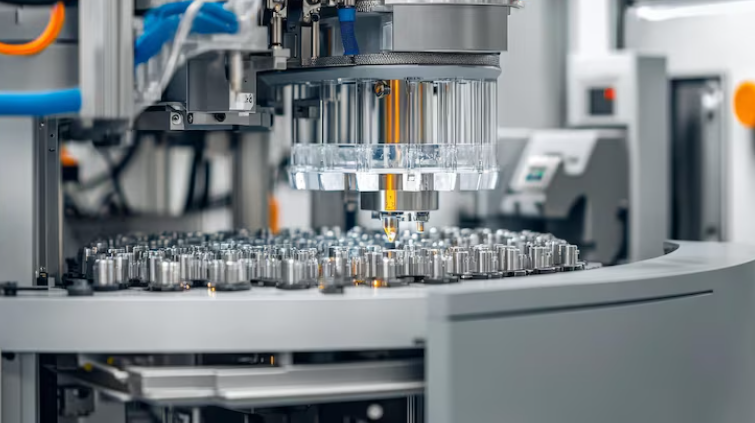
Short-run injection molding is a manufacturing process that produces a small quantity of plastic parts — typically between 100 and 10,000 units — using the same injection molding equipment as high-volume production. It uses simplified or aluminum tooling to keep upfront costs low. Businesses use it to test product designs, bridge the gap before full-scale production, or fill low-volume orders without committing to expensive steel molds. Turnaround is faster than standard molding, and design changes are easier to make before tooling becomes permanent.
Short-run injection molding produces plastic parts in small quantities — typically 100 to 10,000 units. It uses the same injection molding equipment as high-volume production. The difference is in the tooling and the scale.
In standard high-volume molding, hardened steel molds are the norm. They’re built to last for millions of cycles. Short-run molding uses aluminum or simplified steel tooling instead. Aluminum molds cost less to make and are faster to produce. That lower upfront investment is what makes small-batch production practical. The Plastics Industry Association’s moldmaking customs and practices guide outlines how mold classifications and expected cycle life differ across tooling types — a useful reference when you’re comparing your options.
What short-run injection molding is not:
It is not 3D printing
It is not prototype-only work
It is not a compromise on part quality
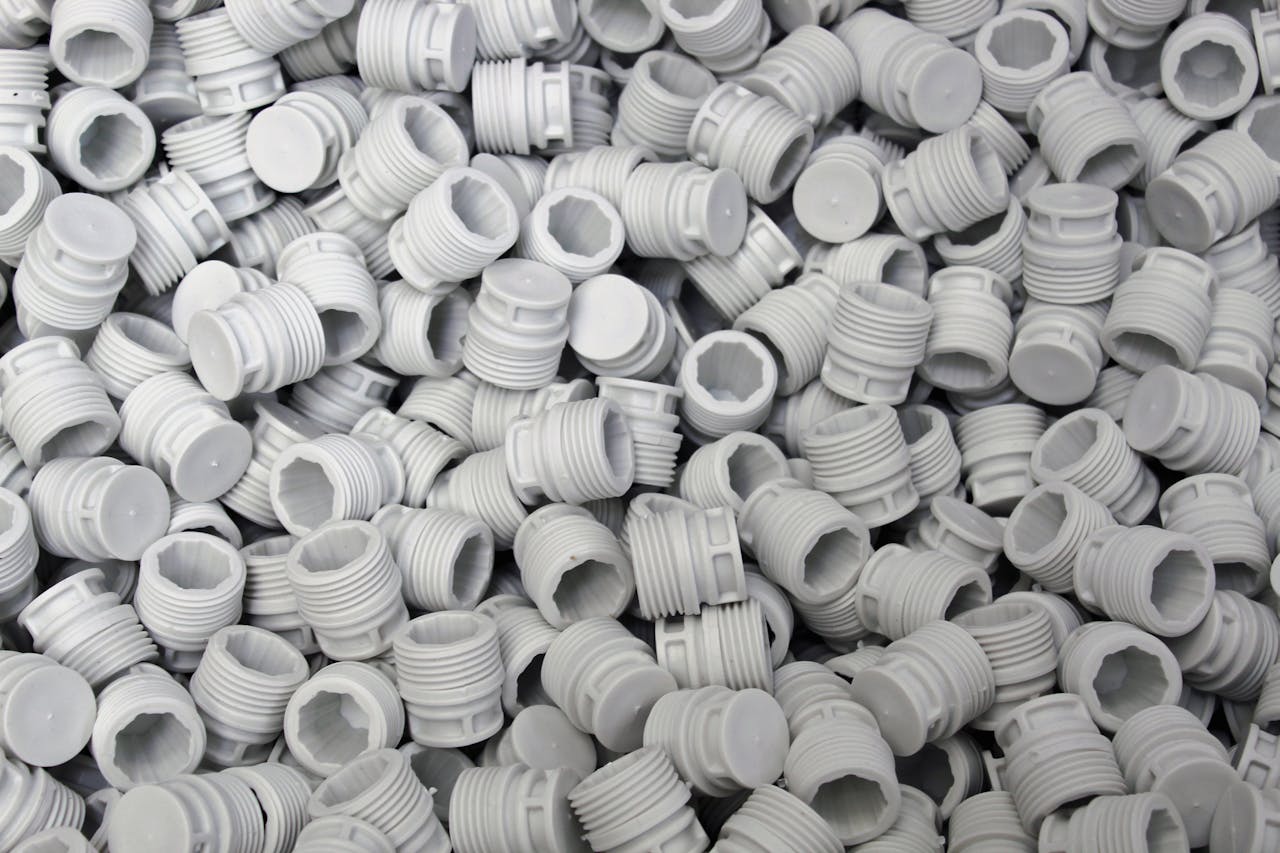
You get production-grade plastic parts — same materials, same process, same tolerances as a high-volume run. The only difference is quantity.
Short-run molding is used across a wide range of industries. Medical device companies use it for pilot programs and regulatory submissions. Consumer electronics teams use it for pre-launch builds. Automotive suppliers use it for low-demand replacement components.
In our shop, short-run jobs most often come from engineers who need approval samples before committing to a full steel tool. They need real parts — not printed stand-ins — to test fit, function, and finish before locking in the design.
Key Benefits of Short-Run Injection Molding
Short-run injection molding gives product teams a practical middle ground. You get real plastic parts without the cost and commitment of full-scale production tooling. Here’s why so many teams choose it over the alternatives.
Lower upfront tooling cost Aluminum tooling costs significantly less than hardened steel molds. For teams early in the product cycle, that difference matters. You spend less before you know the design is final.
Faster lead times Aluminum molds can be ready in days to weeks, depending on part complexity. If you’re working against a deadline — a trade show, a pilot program, a customer delivery — short-run tooling gives you a faster path to first parts than standard steel tooling.
Production-grade part quality Short-run parts are not prototypes. They’re made from the same resins and run on the same equipment as high-volume production. What you test is what you’ll ship.
Design flexibility Modifying an aluminum mold is faster and cheaper than reworking a steel one. If your design needs a change after the first samples, you can make it without starting over.
Lower financial risk for new launches You don’t have to commit to 50,000 units to prove a product works. Short-run molding lets you test market demand, gather feedback, and refine your design before scaling up.
Cost Factors for Short-Run Injection Molded Parts
Short-run injection molding costs less upfront than standard molding — but the final number depends on several factors. Here’s what drives the price and what to expect before you request a quote.
Tooling cost: aluminum vs. steel Aluminum molds generally cost less upfront than hardened steel production molds — often a fraction of the price for comparable tooling. The difference can be significant depending on part complexity and cavity count. For short-run work, aluminum tooling is the standard starting point. It keeps your initial investment low while you validate the design.
Per-part cost at different volumes
Volume
Estimated Cost Per Part
100 units
Higher — tooling cost spread across fewer parts
1,000 units
Mid-range — cost per part drops significantly
5,000 units
Lower — tooling cost is well distributed
As volume increases, your per-part cost falls. This is why short-run often makes the most sense in the lower volume ranges. Beyond a certain point, standard steel tooling typically becomes the more cost-effective path depending on your part complexity and ongoing volume.
Material choice Commodity resins like polypropylene and ABS cost less than engineering-grade plastics. If your part requires a specialty material — glass-filled nylon, PEEK, or a medical-grade resin — expect the material cost to rise accordingly.
Part complexity Wall thickness, undercuts, side actions, and surface finish requirements all affect tooling time and cost. Tighter tolerances take longer to achieve and add to your quote.
What’s included — and what adds cost A standard quote covers tooling, resin, and molded parts. Secondary operations add to the total. These include:
Assembly or sub-assembly
Custom packaging
Additional surface finishing
Quality documentation or inspection reports
The single biggest cost driver we see is part complexity, not volume. Simplifying wall thickness alone can cut tooling time and cost significantly. Before you finalize your design, it’s worth a conversation with your molder about where small geometry changes can save real money.
When to Use Short-Run Injection Molding (And When Not To)
Short-run injection molding is the right call in many situations — but not all of them. Knowing the difference saves you time and money before you commit to tooling.
Use short-run injection molding when:
Situation
Why Short-Run Fits
Launching a new product
Test the design before committing to steel tooling
Fulfilling a pilot or trial order
Ship real parts without overproducing
Bridging to full production
Keep supply moving while full tooling is built
Replacing a legacy part
Low ongoing demand doesn’t justify a steel mold
Testing market demand
Validate before scaling up
Skip short-run injection molding when:
Situation
Why It Doesn’t Fit
Consistent volumes are high enough that steel tooling becomes cheaper per part
Per-part savings from steel tooling outweigh the lower upfront aluminum cost
Tolerances require hardened steel tooling from the start
Aluminum tooling has limits on precision and cycle life compared to steel
A simple rule of thumb: If your volume is in the lower range and your design may still change, short-run is often the right starting point. If you’re confident in the design and volumes are consistently high, full steel tooling will typically cost less over time. Part complexity plays a role too — talk to your molder before assuming one path is always cheaper.
The bridge tooling path: Many of our customers start with short-run aluminum tooling and move into full production as demand grows. Bridge tooling lets you ship product now while your production mold is being built. It’s a practical way to avoid gaps in supply during a product launch or ramp-up period.
Questions to ask your molder before committing:
What tooling material do you recommend for my volume and tolerance requirements?
Can this mold be modified if my design changes after first samples?
What is the expected cycle life of the tooling you’re quoting?
How do you handle the move from short-run to full production?
A molder who answers these questions clearly and specifically is one who has done this work before. The Plastics Industry Association’s moldmaking guide is a helpful reference for understanding mold classifications and what to expect when specifying tooling.
How to Get Started With Short-Run Injection Molding
If short-run injection molding fits your project, the next step is straightforward. Here’s what to prepare, what to expect, and how working with a local molder makes the process faster and easier.
What to have ready before you reach out:
A CAD file or part drawing (2D or 3D)
Your target material or material requirements
The quantity you need — both short-run and projected long-term volume
Your timeline from first parts to delivery
You don’t need to have everything finalized. A good molder will work through the details with you. But having these basics ready speeds up your quote and avoids back-and-forth delays.
What a good short-run molder will ask you:
A molder with real experience won’t just take your file and send a price. They’ll ask questions like:
What is this part used for, and what are the functional requirements?
Are there tight tolerances or critical dimensions we need to hold?
What surface finish does the end use require?
Do you anticipate design changes after first samples?
Is this a one-time run or the start of an ongoing production need?
If your molder isn’t asking these questions, that’s worth noticing.
What a realistic timeline looks like
Timelines vary depending on the scope and complexity of your project. Here’s the typical flow:
Quote — provided after we review your file
Tooling — mold design and build, duration depends on complexity
First samples — shipped for your review and approval
Production run — completed and delivered once samples are approved
We’ll give you a clear, project-specific timeline when you reach out.
The local advantage
Working with a molder close to you changes how the project runs. You can visit the facility, sit in on a design review, and see your tooling before it runs. If a question comes up mid-project, you get a real conversation — not a time-zone delay or an overseas email chain.
At Freeform Polymers in North Logan, UT, we work with product teams across Northern Utah and Southern Idaho. Our shop is close enough to visit, and our team is available to walk through your project in person. We’ve been a trusted local manufacturing partner since 2011.
When you’re ready to move forward, here’s how to reach us:
Call us: (435) 774-9090
Email us: Info@freeformpolymers.com
Hours: Monday–Friday, 8AM–5PM
Address: 2350 Main St #2, North Logan, UT 84341
Located in Northern Utah or Southern Idaho? Come see how we work or contact us today to talk through your project.
You’ve got a solid part design and a manufacturer ready to quote. Then they ask: “What’s your production volume?” Most buyers pause here. Too low and you’re overpaying per unit.…
Your part is designed. Your CAD file is clean. But one question stands between you and production: what plastic are you running? That choice affects more than cost. It determines…
Most machining processes work by removing material through physical force. A spinning tool cuts, grinds, or drills. Electrical discharge machining (EDM) works without touching the part at all. It uses…
You’ve got a CAD file, a material spec, and a deadline. Someone on your team says “let’s CNC mill it” — but what does that actually mean for your part?…
Managing a plastic parts project means keeping a lot of moving pieces in order. Who designs the mold? Who sources the resin? Who runs production? Who handles assembly and ships…
You have a plastic part to produce. You pull up two options: injection molding and 3D printing. Both look like they could work. So how do you know which one…
You’ve finalized your part design. Your production numbers are climbing. Now comes the real question: is your current plastic molding process actually built for the volume you need? For manufacturers…
Need 50 plastic parts — not 50,000? Many manufacturers will turn you away. That’s exactly where short-run injection molding fills the gap. Standard injection molding is built for high-volume runs.…