How Long Does an Injection Mold Last? Mold Life by Class, Material, and Care
The mold is often the biggest check you’ll write on a plastic part project. So it’s fair to ask how many parts it will give you. Will it cover your…

Looking for the cheapest material to make a mold without wasting money on something that won’t last?
You have a product idea and need a mold. But professional tooling quotes made your jaw drop. There has to be a cheaper way, right?
This guide reveals the cheapest material to make a mold for different project types. We’ll also cover the hidden costs that catch people off guard.
We’ll compare silicone, aluminum, steel, and DIY options by price, lifespan, and best use case. By the end, you’ll know exactly where to save and where it pays to spend more.
The cheapest material to make a mold depends on your production volume.
For prototypes and small batches (1–100 parts), DIY silicone rubber kits are the most affordable option. They cost $30–$150 for small, simple molds you pour yourself at home. For mid-volume production (1,000–10,000 parts), aluminum molds offer the best value at $2,000–$15,000. For high-volume runs (100,000+ parts), steel molds cost more upfront ($10,000–$100,000+) but deliver the lowest cost per part over time.
Quick cost comparison:
Not sure which mold material fits your project? Get a custom mold quote.
The word “cheapest” means different things based on how many parts you need.
DIY silicone wins for prototypes. If you only need a handful of parts, pouring your own silicone molds costs the least upfront. They work well for testing a design before you commit to bigger investments.
Aluminum wins for mid-volume production. When you need thousands of parts, aluminum tooling hits the sweet spot. You get real injection-molded parts without the steep price tag of hardened steel.
Steel wins for high-volume runs. The upfront cost is high. But when you spread that cost across hundreds of thousands of parts, steel delivers the lowest per-part price.
We tell clients this all the time: cheap upfront often means expensive later. Match the mold to your real volume. A $100 silicone mold makes sense for 50 parts. It makes no sense for 50,000.
DIY silicone rubber molds are the cheapest entry point for small projects.
Cost range: $30–$150 for small, simple molds you pour yourself using kits from suppliers like Smooth-On or Reynolds Advanced Materials.
Lifespan: 20–300 pours, depending on the resin you use and mold complexity.
Best for:
Silicone molds are DIY-friendly. Many makers pour their own at home. You don’t need special equipment to get started.
Limitations to know:
Silicone works great when you need a few parts fast and cheap. But it won’t hold up for production runs. If you need hundreds or thousands of parts, you’ll burn through silicone molds quickly—and the costs add up.
Note: Professionally manufactured silicone molds for industrial use cost $500–$5,000 or more. The budget-friendly option assumes you’re making the mold yourself.

Aluminum molds bridge the gap between DIY prototypes and full production tooling.
Cost range: $2,000–$15,000 for simple parts.
Lifespan: 10,000–100,000 cycles, depending on design complexity and material being molded.
Best for:
Aluminum machines faster than steel. That means shorter lead times when you need molds quickly. You can have parts in hand weeks sooner than with steel tooling.
Trade-offs to consider:
We’ve seen aluminum tooling help clients test market demand before committing to steel. One customer ran 5,000 units through an aluminum mold to prove the product would sell. They saved months and thousands of dollars by not jumping straight to hardened steel.
Considering aluminum tooling for injection molding? Learn about our custom plastic injection molding services.
Steel molds cost the most upfront. But the per-part math tells a different story.
Cost range: $10,000–$100,000+, depending on complexity.
Lifespan: 300,000–1,000,000+ cycles, depending on steel grade.
Best for:
Why the high price pays off at scale:
The more parts you run, the cheaper each one becomes.
Steel types affect cost and durability:
The Plastics Industry Association classifies molds into five classes based on expected lifespan. Class 101 molds (1,000,000+ cycles) use hardened steel and cost the most. Class 104 and 105 molds use softer materials for prototyping and short runs.
Steel molds also run faster cycle times. The material pulls heat away quickly, so parts cool and eject sooner. Faster cycles mean more parts per hour—and lower labor cost per unit.
If you know you need 100,000+ parts, steel almost always wins on total cost. The upfront investment protects you from constant repairs and mold replacements down the road.
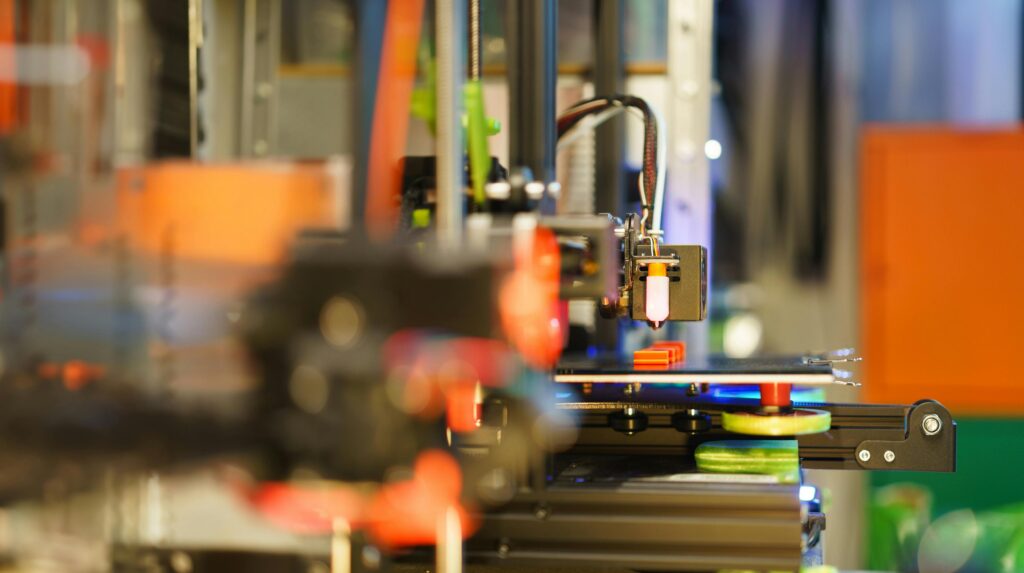
A low price tag doesn’t always mean low total cost. Here’s what catches people off guard.
Mold repairs and rework. Cheap molds fail sooner. When they do, you pay for fixes—or a whole new mold.
Part defects and scrap rates. Poor molds produce poor parts. Warping, flash, and sink marks mean more waste in the bin.
Longer cycle times. Soft molds can’t handle fast production. Slower cycles mean higher labor costs per part.
Re-tooling costs. If your product takes off, you’ll outgrow a cheap mold fast. Then you pay for new tooling anyway.
Production downtime. When a mold breaks mid-run, your whole line stops. Missed deadlines and rush orders eat into margins.
We’ve seen clients spend $500 on a “cheap” mold, then $5,000 fixing quality problems. The math rarely works out. A slightly bigger investment upfront often saves real money over the life of your project.
The goal isn’t the cheapest mold. It’s the lowest total cost for the parts you need.
Want help choosing the right mold material? Talk to our team at Freeform Polymers today.