Custom Manufacturing: What It Means and How Plastic Injection Molding Fits In
Justin Brown
January 29th, 2026
Need parts made to your exact specs—not pulled from a catalog? That’s where custom manufacturing comes in.
The global injection molding market hit $295 billion in 2024 alone. Much of that growth comes from demand for custom-designed parts. Automotive, medical, and consumer goods sectors all drive this trend.
This guide explains custom manufacturing in plain language. You’ll learn what it means and decide if it fits your next project.
What is Custom Manufacturing?
Custom manufacturing means making products or parts based on a customer’s unique specifications. You don’t pick from a catalog. Instead, you share your design, dimensions, materials, and quantity needs. A manufacturer then creates tooling—like a mold—and produces parts to match those exact requirements.
Common custom manufacturing methods include plastic injection molding, CNC machining, and 3D printing. Businesses choose this approach when they need parts with specific shapes, tolerances, or materials. Off-the-shelf products simply won’t work for every application.
In our shop, most custom projects start with a design review. We check that the part can be molded efficiently before tooling begins.
Three key elements define custom manufacturing:
Design input – You share CAD files, sketches, or sample parts.
Tooling – The manufacturer creates molds, fixtures, or machine setups.
Production run – Parts are made in the quantities you need.
Custom Manufacturing
Mass Production
Made to your specs
Standard designs for general use
Flexible order sizes
High-volume runs only
Unique tooling per project
Shared tooling across products
Higher per-unit cost at low volumes
Lower per-unit cost at scale
Many industries rely on custom manufacturing. Automotive companies need precise components. Medical device makers require strict tolerances. Consumer goods brands want unique product designs. Electronics firms need housings that fit specific boards. According to the National Institute of Standards and Technology (NIST), injection molding is a key focus area for sustainable manufacturing research due to its widespread industrial use.
How Custom Manufacturing Works (Step by Step)
The custom manufacturing process follows a clear path from idea to finished part. Here’s what to expect when you work with a manufacturer:
You share your design. This could be a CAD file, a sketch, or even a sample part you want replicated. The more detail you provide, the smoother the process.
The manufacturer reviews your design. Engineers check for feasibility. They look at wall thickness, draft angles, and material flow. They flag anything that might cause problems in production.
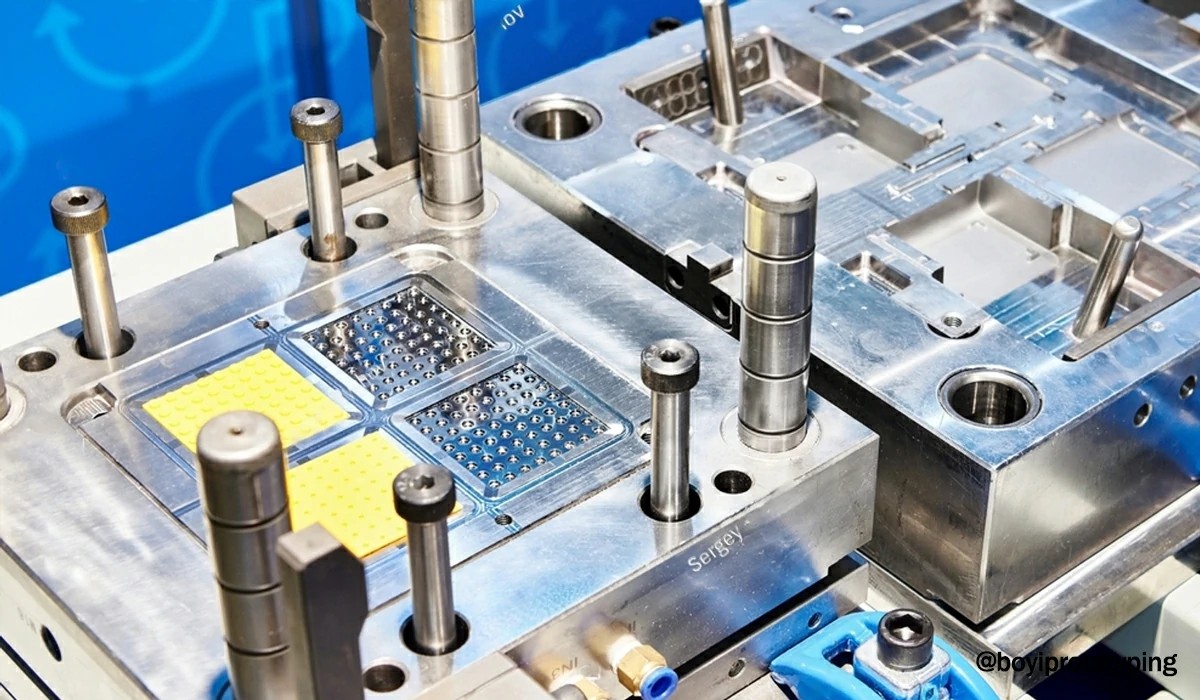
Tooling or mold creation begins. For injection molding, this means building a steel or aluminum mold. Tooling is the biggest upfront investment, but it pays off over time.
Production runs. Once the mold is ready, parts are produced. Runs can be small (a few hundred) or large (tens of thousands). You control the volume.
Quality check and delivery. Each batch goes through inspection. Parts that meet spec ship to you. Those that don’t get flagged and addressed.
Plastic injection molding follows this same flow. The difference is speed. Once tooling is set, cycle times run as fast as 15 to 120 seconds per part.
Several methods fall under the custom manufacturing umbrella. Each has strengths depending on your volume, material, and complexity needs.
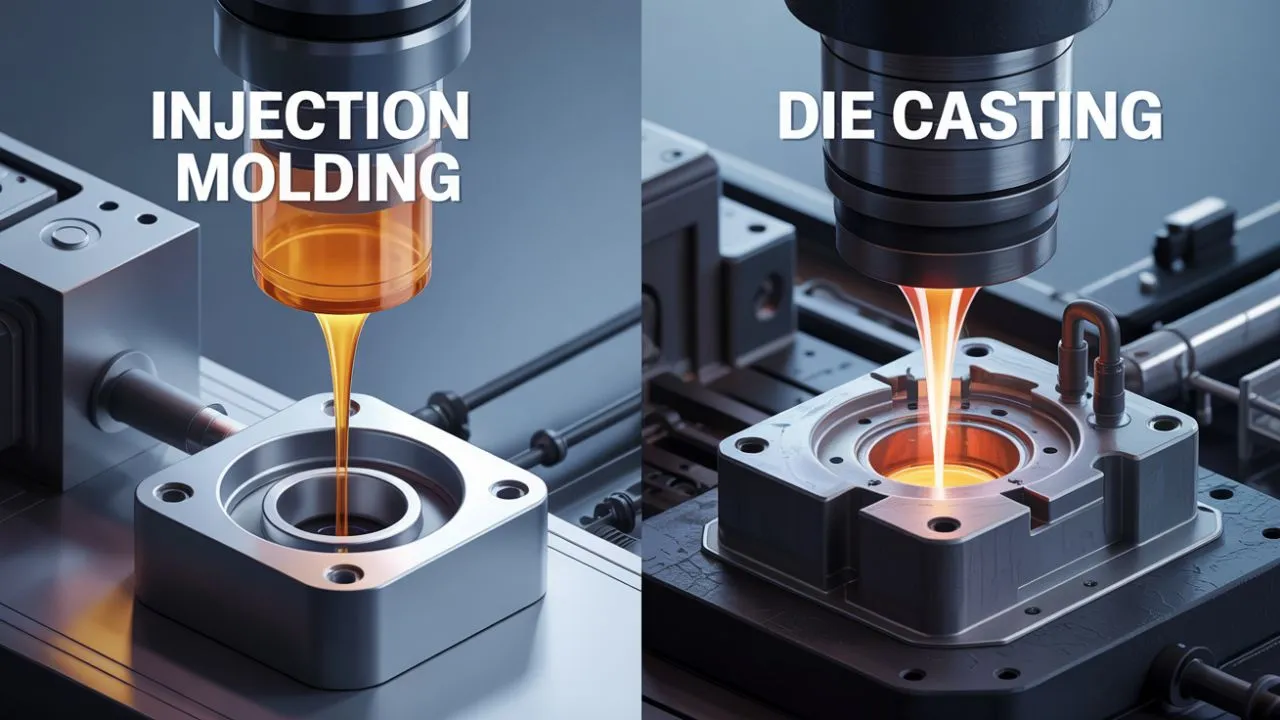
Plastic injection molding is ideal when you need custom plastic parts at volume. Molten plastic fills a mold cavity and cools into shape. The process repeats quickly—cycle times range from 15 to 120 seconds once tooling is set. You get tight tolerances and complex geometries with every part matching the last.
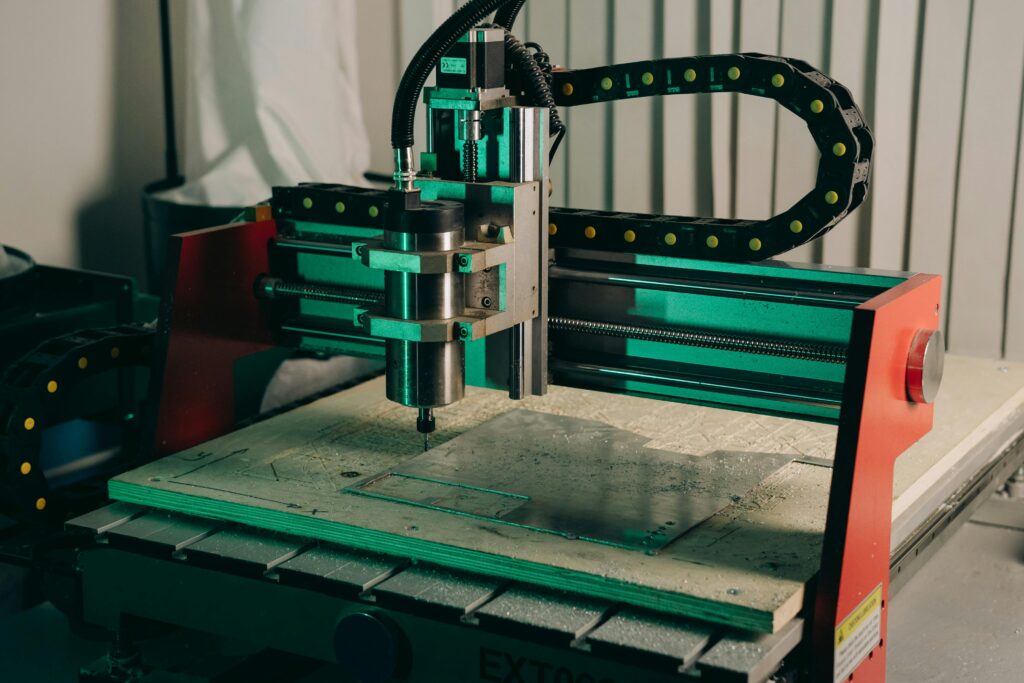
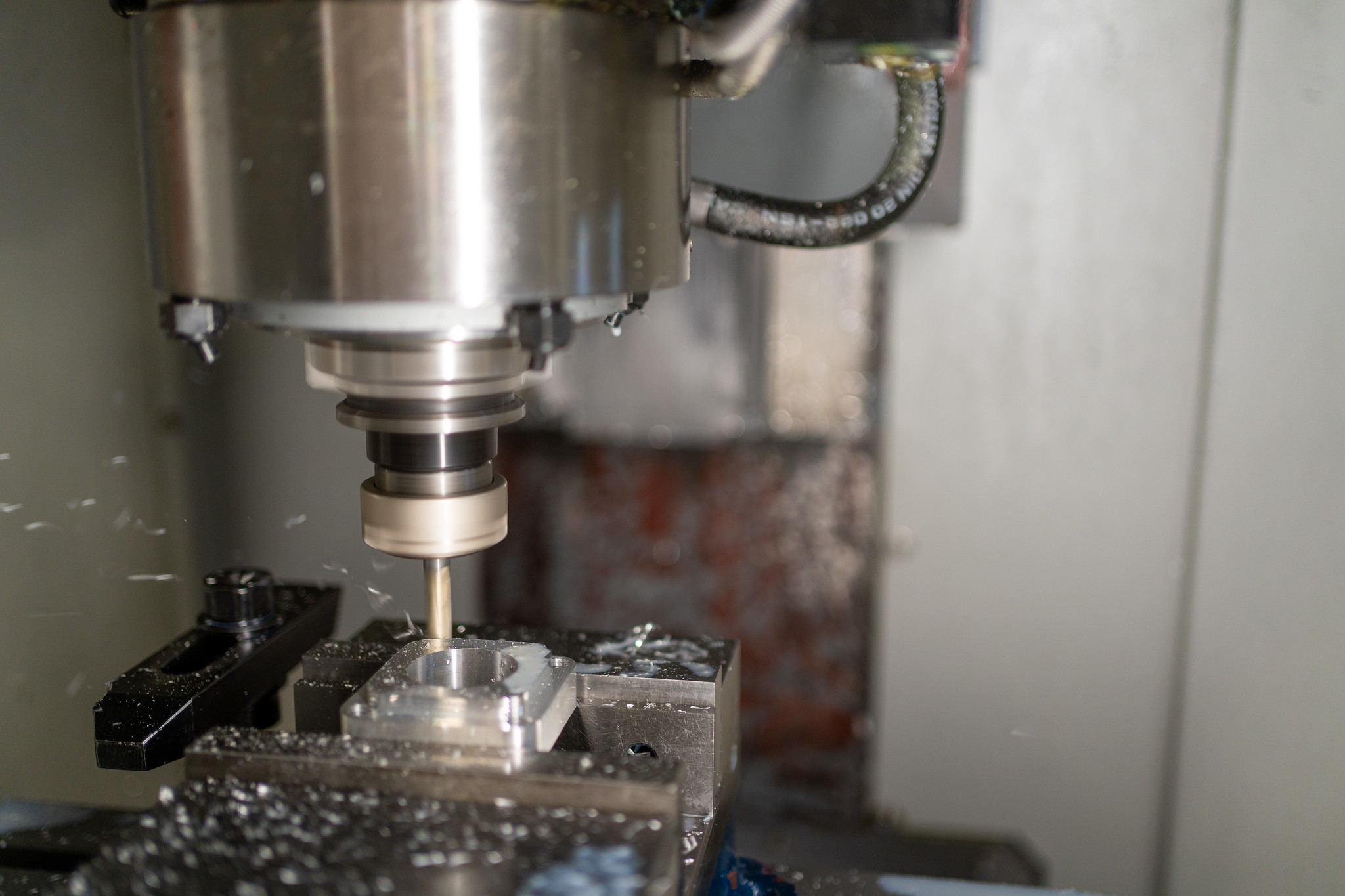
CNC machining cuts material away from a solid block. It works well for metal parts or prototypes that need quick turnaround. No mold required.
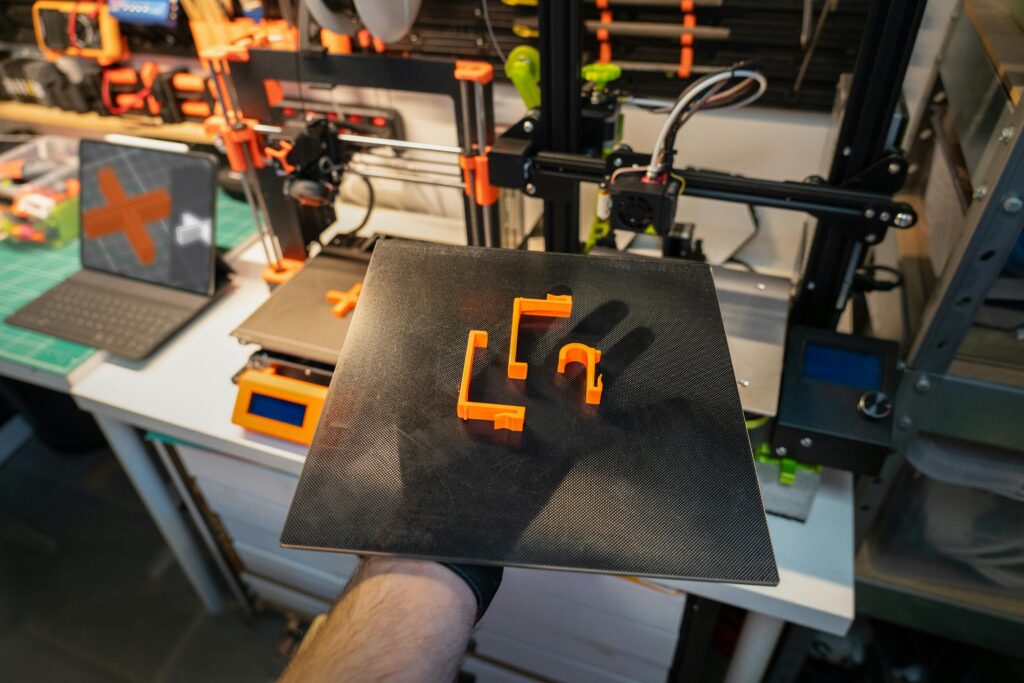
3D printing builds parts layer by layer. It shines for prototyping and very low volumes. Complex one-off designs that would be costly to mold make sense here.
Casting pours liquid material into a mold and lets it harden. It suits larger parts or materials that don’t mold well under pressure.
We often recommend 3D printing for prototypes, then move to injection molding once the design is finalized. This saves time and cost.
Method
Best Use Case
Volume
Relative Cost
Injection Molding
Custom plastic parts at scale
Medium to high
Low per unit after tooling
CNC Machining
Metal parts, quick prototypes
Low to medium
Medium per unit
3D Printing
Prototypes, complex one-offs
Very low
High per unit
Casting
Large parts, special materials
Low to medium
Varies by material
→ Connect with our North Logan team for a project review.
Benefits of Custom Manufacturing for Businesses
Custom manufacturing gives you control over every detail. Here’s why businesses invest in custom parts:
Parts made to exact specs. Your components fit perfectly. No modifications needed. Better fit means better product performance.
Scalability built in. Start with a small run to test the market. Scale up as demand grows. Your tooling stays ready when you need more.
Material flexibility. Choose plastics, metals, or composites based on your application. Need heat resistance? Impact strength? FDA-approved materials? You pick what works.
Less waste. Off-the-shelf parts often need trimming or adapting. Custom parts arrive ready to use. You save time and reduce scrap.
Competitive advantage. Unique parts support unique products. Your competitors can’t copy what they can’t buy from a catalog.
These benefits add up over time. The upfront investment in tooling pays back through consistent quality and lower per-unit costs at volume.
When to Partner with a Custom Manufacturer
Not every project needs custom manufacturing. But certain signs point clearly in that direction.
You likely need a custom manufacturer if:
Off-the-shelf parts don’t fit your design.
You need a specific material or tight tolerance.
You’re launching a new product with unique components.
You want to own your tooling and control production.
Questions to ask a potential partner:
What are your typical lead times for tooling and production?
Do you have minimum order quantities?
What quality certifications do you hold?
Can you handle both prototyping and full production?
Will I own the mold?
Working with a local manufacturer offers real advantages. Communication moves faster. Site visits are easy to schedule. Shipping costs and transit times drop. Problems get solved face to face.
One client came to us after struggling with overseas lead times. By switching to a local partner here in Cache Valley, they cut delivery time by three weeks.
At Freeform Polymers, we’re ISO 9001:2015 certified. We work with businesses across Northern Utah and Southern Idaho who value quality, reliability, and a partner they can visit in person.
Contact us and request a free quote for your custom parts today!
Should your part be plastic or metal? That question decides whether you need injection molding or die casting. Both processes push melted material into a mold under pressure. From across…
Is it cheaper to build your mold overseas or here at home? The honest answer depends on what you actually count. Many buyers compare domestic vs overseas injection molding using…
You have a part to make. Someone mentioned CNC turning or CNC milling. Maybe both came up. They sound alike, but they are not the same process. Picking the wrong…
You’ve probably seen the letters “ISO 9001:2015” on a badge or a website. It might look like just another logo. But it means something specific. ISO 9001:2015 certification tells you…
If you’ve gotten quotes from two injection molding companies, you may have noticed something. One mentions a hydraulic machine. The other mentions an electric machine. You might wonder if that…
Combining metal with plastic takes a different process than adding a soft grip to a hard plastic part. Both are common in insert molding and overmolding, but they solve different…
Not all injection molds are built the same way. At Freeform Polymers, we’ve seen how the type your part needs can change your tooling cost by thousands of dollars. That…
Ever gotten a design review back with a flag that says “insufficient draft”? You had no idea what that meant. It’s one of the most common notes molders give on…