Plastic molding hasn’t stood still. In the last few years, automation, supply chain disruption, and sustainability pressure have reshaped how parts get made — and how buyers choose who makes them. Procurement teams that locked in supplier agreements just a few years ago are now asking questions those agreements never anticipated.
Choosing a plastic molding partner used to come down to price per part and lead time. Today, engineers and buyers are asking harder questions. Is your facility running smart systems? Can you handle material substitutions? Are you set up for lean, flexible runs? The answers matter more than ever.
This article breaks down the key trends driving plastic molding forward — and what they mean if you’re sourcing parts or evaluating a manufacturing partner.
We’ll cover six shifts happening right now across automation, sustainability, nearshoring, lean manufacturing, and material innovation — then bring it back to what you should look for in your next molding project.
What is the Future of Plastic Molding?
The future of plastic molding is being shaped by six major shifts: smarter automation, sustainable and recyclable materials, lean production systems, nearshore sourcing, faster mold changeovers, and advanced engineering resins.
Together, these trends are pushing molders toward smaller, more responsive runs with tighter tolerances and less waste. For buyers, this means your molding partner’s capabilities — not just their price — will determine how well your supply chain holds up over the next decade.
Automation and Smart Manufacturing Are Raising the Bar
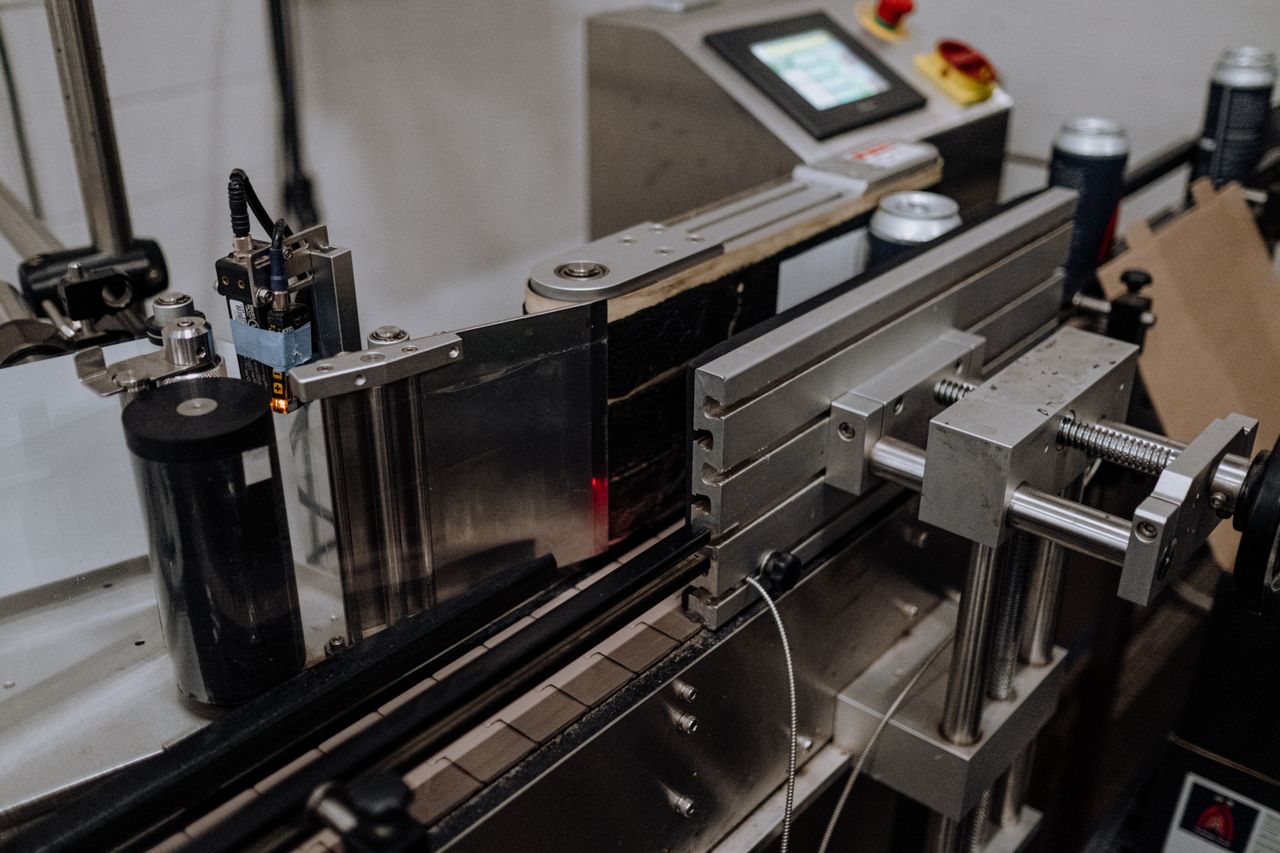
Manufacturing has changed. The facilities setting the pace today aren’t running on operator instinct alone — they’re running on data. Industry 4.0 refers to the integration of sensors, real-time process monitoring, and closed-loop controls into the production floor. In a plastic molding context, that means machines that detect and correct process drift before a bad part is ever made.
The practical result for buyers is consistency. Automated monitoring reduces cycle time variability and cuts scrap rates by catching deviations at the source. Quality shifts from something checked at the end of a run to something confirmed throughout it.
When you’re evaluating a plastic injection molding service, automation is worth asking about directly. Here are the right questions:
- Does your facility use real-time process monitoring? Sensors on injection pressure, melt temperature, and fill speed catch problems early.
- Do you use closed-loop controls? These systems self-correct mid-cycle rather than flagging issues after the fact.
- How is quality data captured and stored? Traceability matters — especially for regulated industries like medical and defense.
- What is your scrap rate, and how do you track it? A molder with good data will answer this without hesitation.
A partner who can’t answer these questions is likely still running on manual checks and operator judgment. That introduces variability you’ll feel downstream — in rework, in delays, and in inconsistent part quality across runs.
Sustainability Is Moving From Buzzword to Buyer Requirement
Sustainability used to be a marketing talking point. Now it shows up in supplier questionnaires, procurement checklists, and OEM contracts. If your upstream customer requires material documentation or recycled content verification, your molding partner needs to be ready to support that — not scrambling to figure it out.
On the materials side, recyclable and bio-based resins are gaining real commercial traction. They’re no longer limited to niche applications. Glass-filled bio-nylons, recycled-content polypropylenes, and other engineered sustainable options are now viable across a growing range of applications. Your molder should be familiar with these options and able to advise on where they work — and where they don’t yet.
Regrind programs are another practical sustainability lever. A well-run facility captures sprues, runners, and off-spec parts, then reprocesses that material into future runs rather than sending it to landfill. This reduces raw material cost and documents a closed-loop recovery process — which some customers now require in writing.
Key sustainability question to ask your molder: “Do you have a documented regrind or material recovery process, and can you provide material traceability records?” If they can’t answer that clearly, they may not be ready to support your upstream documentation requirements.
Nearshoring Is Bringing Plastic Molding Decisions Back Home
The supply chain disruptions of 2020 through 2023 changed how procurement teams think about offshore tooling. Long lead times, port delays, communication gaps, and unpredictable freight costs exposed the real price of sourcing plastic molding from the other side of the world. Many buyers who had chased the lowest per-part price found themselves holding the full cost of those decisions when production stalled.
The Reshoring Initiative has documented a significant rise in domestic manufacturing decisions since that period, driven by supply chain risk recalculations across industries. The shift is being driven by a simple recalculation: total landed cost — which includes freight, duties, inventory carrying costs, and delay risk — often closes the gap with offshore pricing faster than buyers expect.
Domestic molding also offers advantages that don’t show up in a per-part quote. Lead times are shorter and more predictable. Intellectual property stays under U.S. legal jurisdiction. Communication happens in real time, in the same time zone, without translation layers. For industries like medical devices, defense components, and consumer electronics — where tolerances are tight and documentation requirements are strict — those advantages carry real weight.
A nearshoring conversation with a domestic molder should cover more than price. Ask about capacity, certifications, run flexibility, and how they handle engineering changes mid-production. A molder worth working with will have direct answers to all of it.
Lean Manufacturing Is Cutting Waste at Every Stage
Lean manufacturing isn’t a philosophy posted on a breakroom wall. In a plastic molding facility, it shows up in scheduling practices, floor layout, changeover procedures, and how runs are planned around customer demand. The goal is simple: remove everything that doesn’t add value to the part or the customer.
Two lean tools matter most to buyers evaluating a molding partner.
SMED (Single Minute Exchange of Die): A method for reducing mold changeover time to single-digit minutes — the goal is to complete a full tool swap in under 10 minutes. Faster changeovers mean a facility can run smaller batches economically. That’s a direct benefit if you need flexible run sizes or shorter replenishment cycles.
JIT (Just-in-Time) Production: A scheduling model where parts are produced and delivered as they’re needed, rather than stockpiled in inventory. For buyers, this reduces warehousing costs and ties production output directly to actual demand.
Together, SMED and JIT make a molding operation more responsive. You get shorter lead times, less excess inventory, and a partner whose production schedule bends to your demand curve — not the other way around.
On-time delivery is where lean systems prove their value. A facility running tight changeovers and demand-driven scheduling has fewer bottlenecks to manage. That means fewer surprises on your end when a delivery window matters.
Material Innovation Is Expanding What Plastic Molding Can Do
The range of materials available for injection molding has grown significantly. High-performance engineering resins are now displacing metal and composite components in applications where weight reduction, corrosion resistance, or complex geometry make plastic the smarter choice. If you’ve been told a part has to be metal, it’s worth asking whether the material landscape has changed since that decision was made.
Here are the material categories worth knowing:
- PEEK (Polyether Ether Ketone): Extremely high heat and chemical resistance. Used in aerospace, medical implants, and fluid handling. Expensive, but outperforms most alternatives in demanding environments.
- PPS (Polyphenylene Sulfide): Dimensionally stable under heat and chemical exposure. Common in automotive and electrical components replacing die-cast metal.
- Glass-filled nylons: Strong, stiff, and wear-resistant. A performance step up from standard nylon for structural applications. Note: abrasive on tooling — mold material selection matters.
- Bio-based and biodegradable resins: Viable for packaging, consumer goods, and lower-stress applications. Not yet ready for high-heat or high-load structural parts in most cases.
- Overmolding and insert molding materials: Allow two materials to be combined in a single part — soft grips over rigid substrates, metal inserts in plastic housings, and similar assemblies that would otherwise require secondary operations.
Material selection made early in the design process has a direct impact on tooling cost and cycle time. A resin change late in development can require gate repositioning, cooling circuit redesign, or an entirely new tool. The right molding partner will flag these decisions before they become expensive surprises.
What to look for in a molder’s material qualification process: ask whether they have experience running the specific resin you need, whether they can source it or require you to supply it, and whether they maintain processing records from previous runs on that material.
What These Trends Mean for Your Next Molding Project
The molders who will deliver for buyers in 2026 and beyond are already running these systems. They’re not planning to adopt automation, lean practices, or sustainable material options — they’re operating with them now. Choosing a partner who hasn’t kept up doesn’t just mean slower parts. It means rework, schedule delays, scrap you absorb, and communication gaps that compound over time.
Before you commit to a molding partner, use this checklist:
- Automation: Can they show you real-time process data from a recent run?
- Sustainability: Do they have a regrind program and material traceability records?
- Nearshoring: Are they domestic, certified, and set up for clear communication?
- Lean: Can they run flexible batch sizes without long changeover penalties?
- Materials: Have they processed the resin you need, and do they have records to prove it?
- Quality system: Are they ISO certified, and what does their quality documentation look like?
At Freeform Polymers in Logan Utah, we’ve been building toward these capabilities since 2011. We’re ISO 9001:2015 certified, partnered with Utah State University for engineering and process development, and set up to handle everything from prototype tooling to full production runs — with machining, assembly, and supply chain management under one roof.
A first conversation with our team is straightforward. You bring the part, the volume, and the timeline. We bring the process knowledge, the material recommendations, and a clear quote. No overseas handoffs, no communication delays — just a manufacturing partner in Cache Valley who’s invested in getting it right.