What Is the Typical Tolerance for Injection Molding?
Your CAD model says 25.00 mm. Your first molded parts come back at 24.93 mm. Is that a problem, or is it normal? The answer depends on the tolerance you…

Have you ever wondered how a handful of plastic pellets turns into a phone case, a bottle cap, or a car part? One machine does all of it, using the same steps every time. If you’re asking how does an injection molding machine work, the answer starts with three connected sections. Whether you’re sourcing parts or just curious about the process, this guide breaks it down in plain language.
In this article, we’ll walk through the three main sections of the machine. That includes the injection unit, the mold, and the clamping unit. Each part matters, and understanding them helps you spot quality work.
Then we’ll cover one full machine cycle from start to finish. Last, we’ll compare professional presses to desktop machines. By the end, you’ll understand exactly what happens inside the machine every time it makes a part.
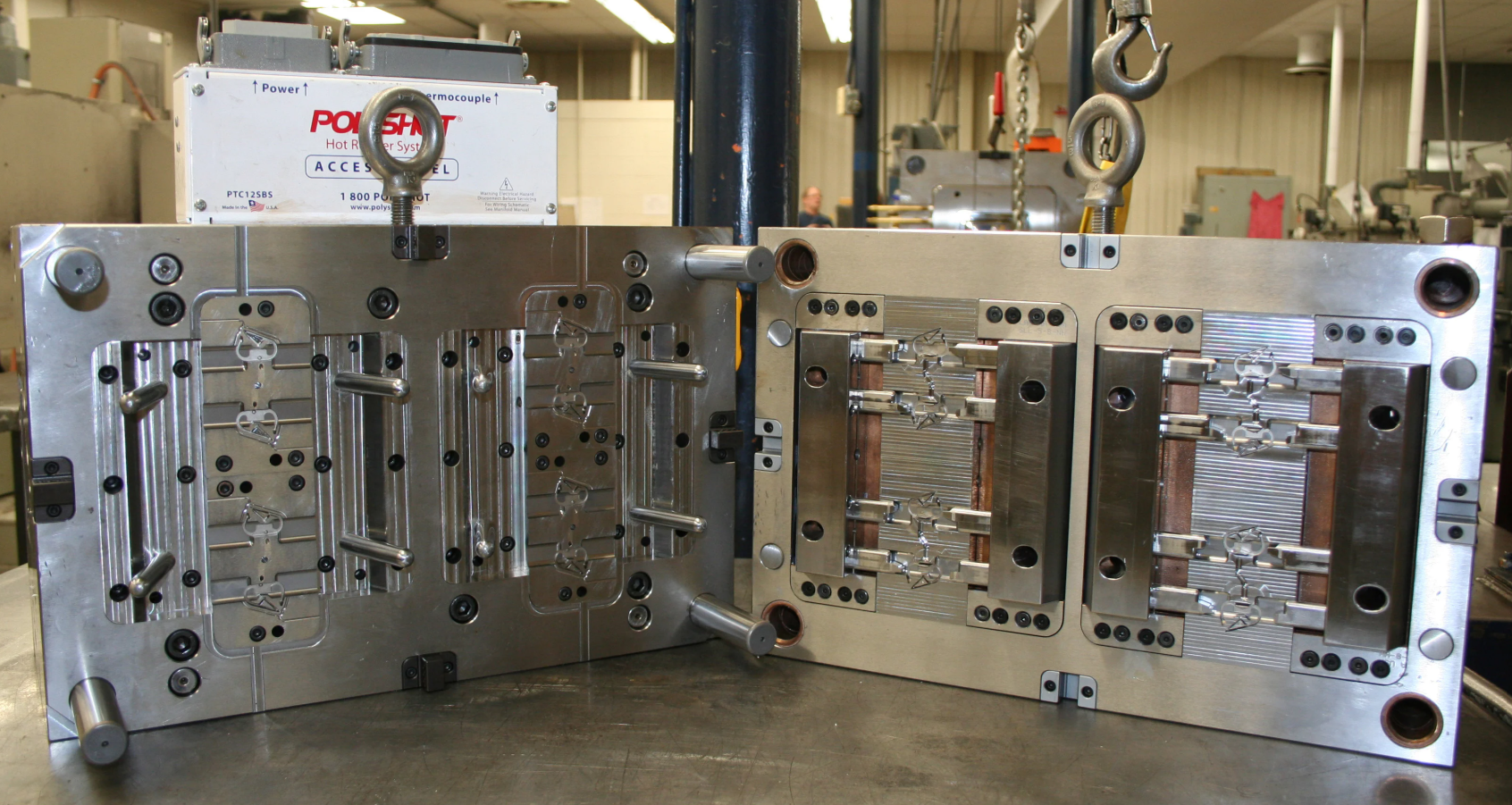
An injection molding machine works in three connected sections. The injection unit melts plastic pellets and pushes the melted plastic forward with a rotating screw. The mold shapes the hot plastic into the part. The clamping unit holds the mold shut with strong force, so no plastic leaks out.
One full cycle has four steps:
Then the cycle repeats, often within a minute or so for smaller parts.
An injection molding machine has three main sections. The injection unit melts the plastic. The mold shapes the plastic into your part. The clamping unit holds the mold shut while that happens.
Think of it like two tools working together. The injection unit works like a hot glue gun. It melts material and pushes it forward. The mold works like a waffle iron. It shapes the hot material and holds it until it sets.
Plastic pellets go in through a hopper at the top of the machine. Finished parts come out the other end, once the mold opens. Machines are sized by clamping force, measured in tons. Bigger parts need presses with higher tonnage.
| Section | What It Does | Everyday Comparison |
| Injection Unit | Melts pellets and pushes molten plastic forward | A hot glue gun |
| Mold | Shapes the hot plastic into the part | A waffle iron |
| Clamping Unit | Holds the mold shut under pressure | A strong clamp or vice |
Now that you can picture the three sections, let’s zoom into the first one: where the plastic melts.
The injection unit starts with a hopper. Plastic pellets pour in through the hopper and drop into a heated barrel below.
Inside the barrel sits a reciprocating screw. This screw spins to melt the pellets. Friction from the screw and heat from the barrel work together to turn solid pellets into liquid plastic.
Once the plastic melts, the screw stops spinning and slides forward instead. It acts like a plunger, pushing the melted plastic through the nozzle and into the mold.
Temperature control matters at every step. Plastic that’s too hot can burn or break down. Plastic that’s too cool won’t flow far enough to fill the mold completely. A common industry practice is setting the barrel near the midpoint of the resin supplier’s recommended range, then fine-tuning from there.
Melting is only half the job. The mold has to stay shut, and that takes real force.
Once the mold is closed, it has to stay closed. The clamping unit is what makes that happen.
When melted plastic gets injected, it pushes hard against the inside of the mold. The clamping unit holds both mold halves together with enough force to resist that pressure. Clamping force is measured in tons, and it’s matched to the size of the part.
If the clamping force is too low, plastic can leak out where the mold halves meet. This is called flash, and it’s one of the most common plastic molding defects we watch for. It shows up as thin, unwanted plastic along the seam of the part.
After the plastic cools, the clamping unit opens smoothly. Ejector pins then push the finished part out of the mold.
Signs of correct clamping include:
You’ve seen the parts. Here’s how they work together in one cycle.
Every part goes through the same four steps. This cycle repeats over and over during a production run.
Cycle times vary by part size and material, ranging from a few seconds to several minutes. Cooling almost always takes longer than any other step. Thicker parts need more time to solidify all the way through.
Once a part ejects, the cycle starts over. The mold closes again, and the same steps repeat. This is why every part comes out matching the last.
See how our short-run and high-volume production service matches the right press to your part.
Desktop injection molding machines exist, and they have real uses. Hobbyists and small labs use them for basic prototypes. But they come with real limits.
Most desktop machines cap out around one ounce of plastic per shot. Clamping force stays low too, often under 5 tons. That rules out anything beyond small, simple parts.
Professional plastic injection molding presses work differently. They control temperature, pressure, and timing automatically, shot after shot. That control is what makes tight tolerances possible.
Tolerances matter most in regulated industries. Parts for medical devices, electronics, or vehicles often need exact, repeatable dimensions. A desktop machine can’t hold that level of precision at scale. When a project needs machined components to match that same accuracy, our precision machining services fill that gap.
Cost tells the same story. Desktop units are cheaper up front. But professional presses win once you need volume, consistency, or larger parts.
| Desktop Machines | Professional Presses | |
| Shot Size | Around 1 ounce or less | Scales to match part size |
| Clamping Force | Often under 5 tons | Ranges into the hundreds of tons |
| Process Control | Manual or basic automation | Automated temperature, pressure, and timing |
| Best For | Small prototypes, hobby use | Regulated industries, production volume |
If your project calls for custom plastic injection molding, a professional press is built for the job.
How hot does an injection molding machine get?
Barrel temperatures usually run between 300°F and 800°F, depending on the plastic. Each resin has its own melt range, set by the material supplier. Getting this range right prevents burning, weak parts, or incomplete fills.
How fast can it make a part?
Cycle times range from a few seconds to several minutes per part. Small, thin parts mold faster than large or thick ones. Cooling time has the biggest effect on total cycle speed.
How big can injection molding machines be?
Machines range from small desktop units to industrial presses with hundreds of tons of clamping force. Larger presses handle bigger parts and higher injection pressures. The right size depends on your part’s dimensions and wall thickness.
Do injection molding machines run automatically?
Yes. Professional presses run each cycle automatically once set up. Temperature, pressure, and timing stay consistent from part to part. Operators monitor the process and step in only when adjustments are needed.
What’s the difference between hydraulic, electric, and hybrid machines?
Hydraulic machines use fluid power to run every movement, and they’ve been the industry standard for decades. Electric machines use servo motors instead, giving more precision and using less energy. Hybrid machines combine both, often using electric control for injection and hydraulic force for clamping.
An injection molding machine works through three connected sections and one repeating cycle. The injection unit melts the plastic. The mold shapes it. The clamping unit holds everything together while the cycle runs. Together, these parts are what let a machine produce thousands of identical parts, cycle after cycle.
At Freeform Polymers, we run injection molding presses every day. Across the industry, press tonnage typically ranges from under 50 tons for small parts to over 1,000 tons for large components, and the right size depends on the part.
Contact us and request a quote or call (435) 774-9090 to get started!