What Is the Typical Shrinkage Rate in Injection Molding?
You design a part to be exactly 100 mm long. The first samples come back at 98.5 mm. Nothing went wrong on the press, and the mold wasn’t built wrong.…

When you pull a fresh shot off a press, you often get more than the part. A small plastic “tree” comes out attached to it. That tree is the runner. Whether it exists at all depends on one tooling choice.
That choice is hot runner vs. cold runner. It shapes your tooling price, your cycle time, and how much plastic becomes scrap. It also affects how you handle color changes and which resins work well in the mold.
This guide explains both systems in plain terms. That way, you can see which one fits your part before steel gets cut. Runner type is usually settled during design for manufacturability (DFM) review, so it helps to know the basics going in.
We’ll start with what a runner system does. Then we’ll break down each type and compare them side by side. We’ll finish with a simple way to pick the right one for your volume, resin, and budget.
The difference is heat: a cold runner lets the feed plastic harden, while a hot runner keeps it melted. That one change affects what comes out of the mold on every cycle.
A cold runner is a set of unheated channels cut into the mold. Plastic flows through them to the part, then hardens right along with it. Each cycle ejects the part plus a leftover piece called the runner. That runner gets trimmed off, then reground or thrown away.
A hot runner uses a heated manifold and nozzles to keep the plastic melted inside the mold. Only the part comes out, so there’s little or no runner waste. Cycles are often faster, too.
The trade-off is cost. Hot runner molds cost more to build and maintain. Cold runners usually fit lower volumes and frequent color changes. Hot runners usually pay off at high volumes.
Not sure which fits your part? We’ll flag it during the design review. Request a free quote to get started.
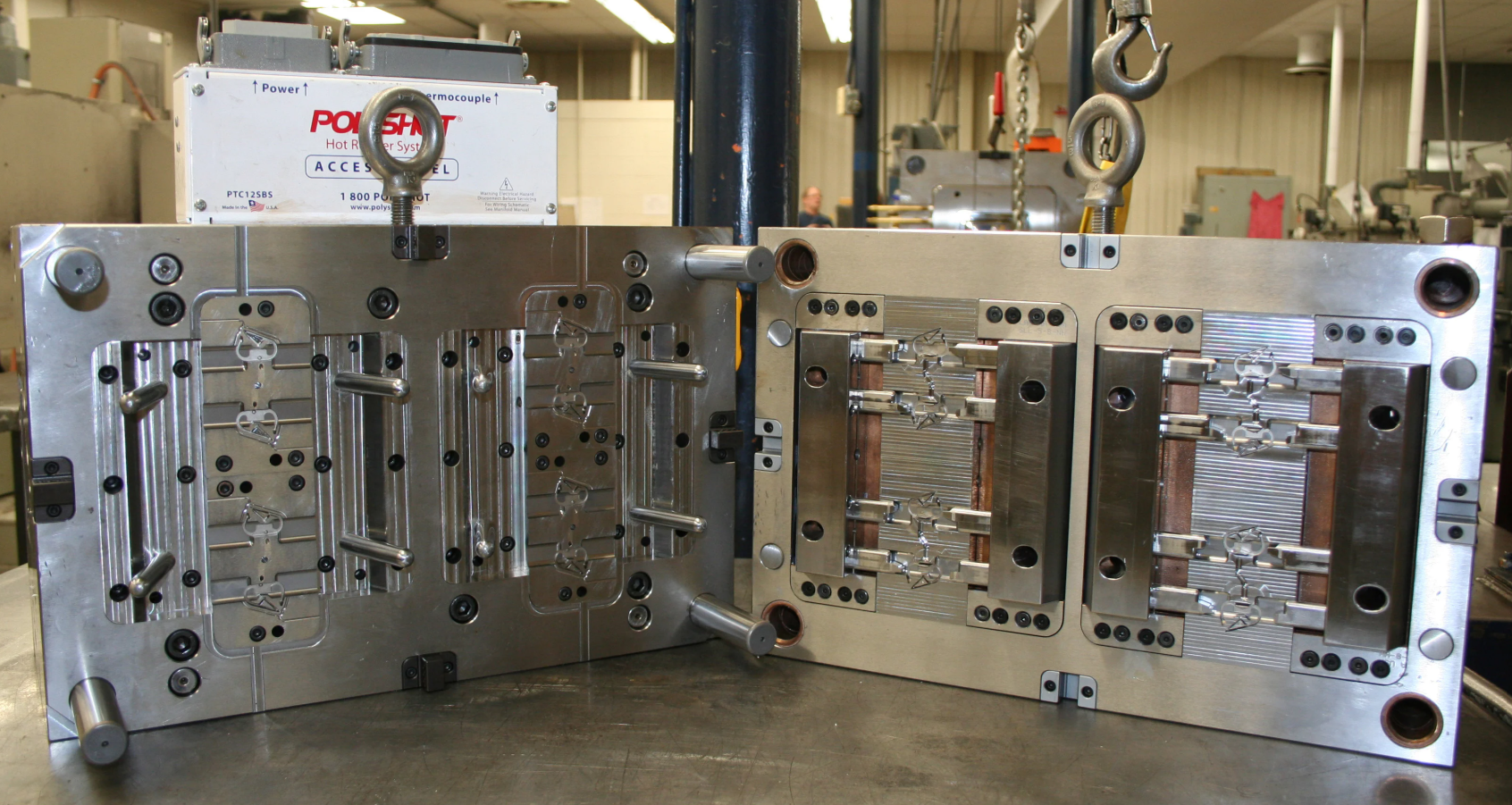
A runner system is the set of channels that carries melted plastic from the machine to your part. It sits inside the mold, between the machine nozzle and the cavity that shapes your part. You can see where it fits among the three main parts of an injection mold.
Here’s the path plastic travels on every shot:
The runner’s job is to deliver plastic evenly. In a single-cavity mold, that’s fairly simple. In a multi-cavity mold, the runner has to feed every cavity at the same rate. If one cavity fills first, parts from the same shot can vary in size or quality.
Every runner system also answers one big question. What happens to the plastic left in the channels after each shot? Now that you know what a runner does, here’s what happens when it stays cold.
A cold runner mold uses unheated channels to carry plastic to your part. The plastic in those channels cools and hardens along with the part. When the mold opens, the runner comes out as one solid piece.
Cold runner molds usually come in two setups:
Here’s what a cold runner does well:
Here’s where it falls short:
Runner scrap doesn’t always go to waste. We can reuse regrind if you request it and your part design allows it. We control how much regrind goes back in, since too much can hurt part quality. You can read more about how closed-loop regrind works.
Cold runners are simple and flexible. Hot runners solve their biggest problem, at a price.
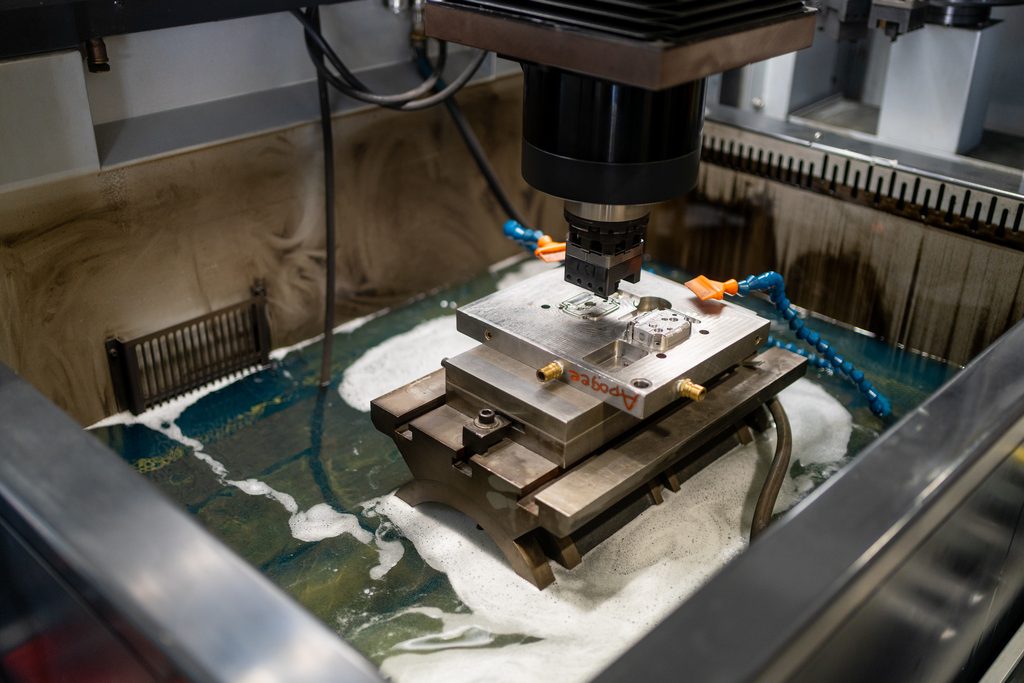
A hot runner system keeps plastic melted all the way from the machine to the gate. Heat stays on inside the mold, so the plastic in the channels never hardens. When the mold opens, only the part comes out.
A hot runner has three main components:
Hot runners also use one of two gate styles. This choice affects the mark left on your part.
Here’s what a hot runner does well:
Here’s where it falls short:
These trade-offs are why hot runners show up most in high-volume injection molding. When you run parts in large numbers, the saved plastic and time can outweigh the higher mold cost.
Seeing both side by side makes the trade-offs clear.
Here’s how the two systems compare on the factors that matter most to your project.
| Factor | Cold Runner | Hot Runner |
| Tooling cost | Lower | Higher |
| Per-part cost at volume | Higher | Often lower |
| Cycle time | Can be longer | Often shorter |
| Material waste | Runner scrap every shot | Little or none |
| Color and resin changes | Quick and simple | Slower, needs purging |
| Heat-sensitive resins | Good fit | Can be risky |
| Maintenance | Simple | More involved |
| Best-fit volume | Short runs to moderate volume | High volume |
Cost. A cold runner mold costs less to build. A hot runner mold costs more upfront because of the manifold, nozzles, and controls. At high volume, though, a hot runner can lower your cost per part. Less wasted plastic and shorter cycles add up over a long run.
Speed. Hot runners often run faster cycles, since there’s no thick runner to cool. Cold runner cycles can run longer when the runner is the last thing to harden. Keep in mind that a hot runner mold takes longer to build, so your first parts may arrive later.
Volume. Cold runners usually fit short runs, prototypes, and lower yearly volumes. Hot runners usually make sense at high volumes. There, per-part savings can cover the higher tooling cost over time.
Materials. Cold runners work with most resins and make color changes simple. Hot runners take longer to change colors because old material has to be purged. Some heat-sensitive resins can also break down in heated channels.
Runner type is only one piece of your tooling price. See what drives mold cost, or learn how to calculate injection molding cost for your project.
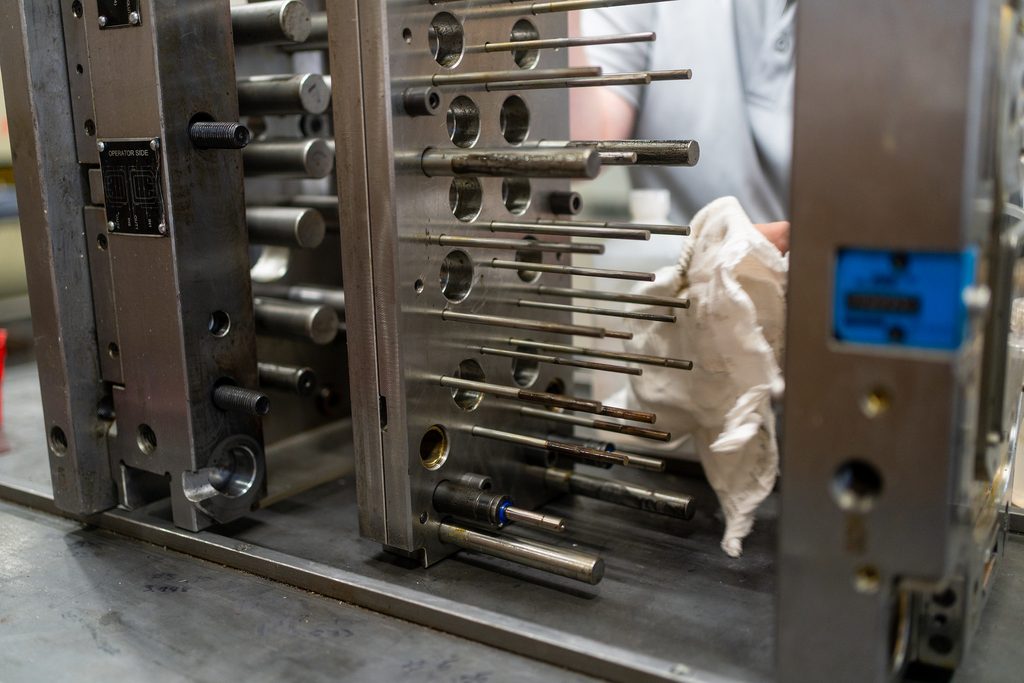
The right runner system depends on your part, not on which system sounds more advanced. Start with these five questions:
Short runs and prototypes usually lean cold. The lower mold cost makes more sense when you’re testing a design or making smaller batches. Learn more about when short-run injection molding makes sense.
Some molds use a middle-ground setup. An insulated runner uses a thick channel that stays melted in the center while the outside hardens. A hybrid setup uses a hot sprue that feeds a cold runner. These options can split the difference on cost and waste for certain parts.
The best time to make this call is during DFM review, before steel is cut. Changing runner type after the mold is built is costly and slow. We’ll recommend the system that fits your volume, resin, and budget. Explore our custom plastic injection molding services to get started.
Choosing between a hot runner and a cold runner is easier when a molder reviews your part early. During design review, we recommend the runner system that fits your project.
We’re an ISO 9001:2015 certified molder based in Logan, UT. Since 2011, we’ve worked with businesses across Northern Utah and Southern Idaho. Our injection mold making happens in-house, so your design, tooling, and production stay with one team.
Ready to talk through your part? Request a free quote, or call us at (435) 774-9090 today and get started!