What Plastic Cannot Be Molded? Material and Design Limits Explained
Justin Brown
July 2nd, 2026
Not every plastic can go through an injection molding machine. Not every part shape can, either. You might have a design ready and a plastic in mind. Then a shop tells you the part can’t be molded. It happens more often than people expect.
This guide explains what plastic cannot be molded and why it happens. It also covers which part shapes cause trouble on the machine. And it shows what to do when injection molding isn’t the right fit for your part.
Knowing these limits early saves you money. You can adjust your material or design before you pay for a mold. A small change now beats a failed run later.
We see the same design issues over and over when parts come in to quote. Thin walls and sharp corners top the list.
Here’s the path we’ll take. First we’ll cover the materials that don’t mold well. Then we’ll look at the part shapes that give machines trouble. We’ll finish with smarter ways to get your part made.
What Plastic Cannot Be Molded?
Plastics that can’t be injection molded well include a few clear types:
Low melting-point plastics that break down before they flow
Porous or foam-like materials that trap air and won’t hold shape
Fully cured thermosets and hard rubbers that can’t re-melt
Flexible rubbers better suited to other methods
Injection molding also struggles with very large parts, deep hollow shapes, and ultra-thin walls. When a plastic or shape won’t mold, we can point you to a better material or method.
What Is Injection Molding?
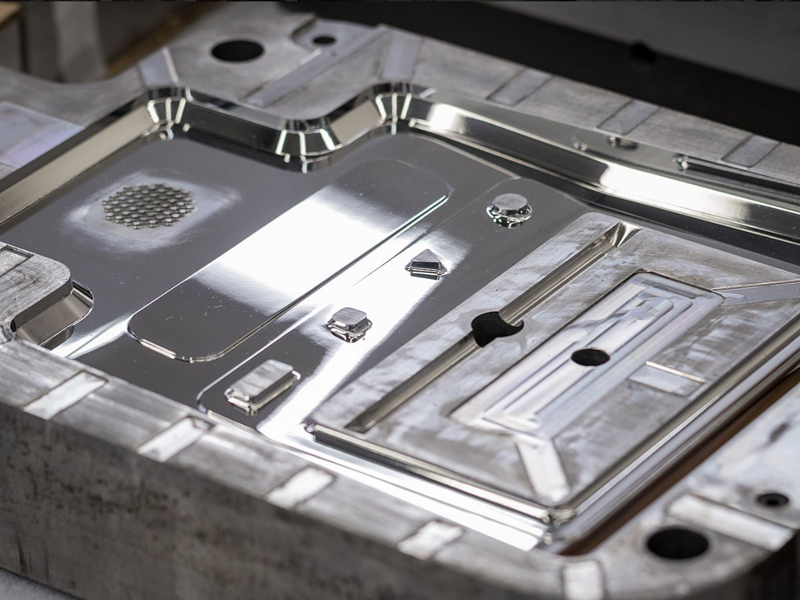
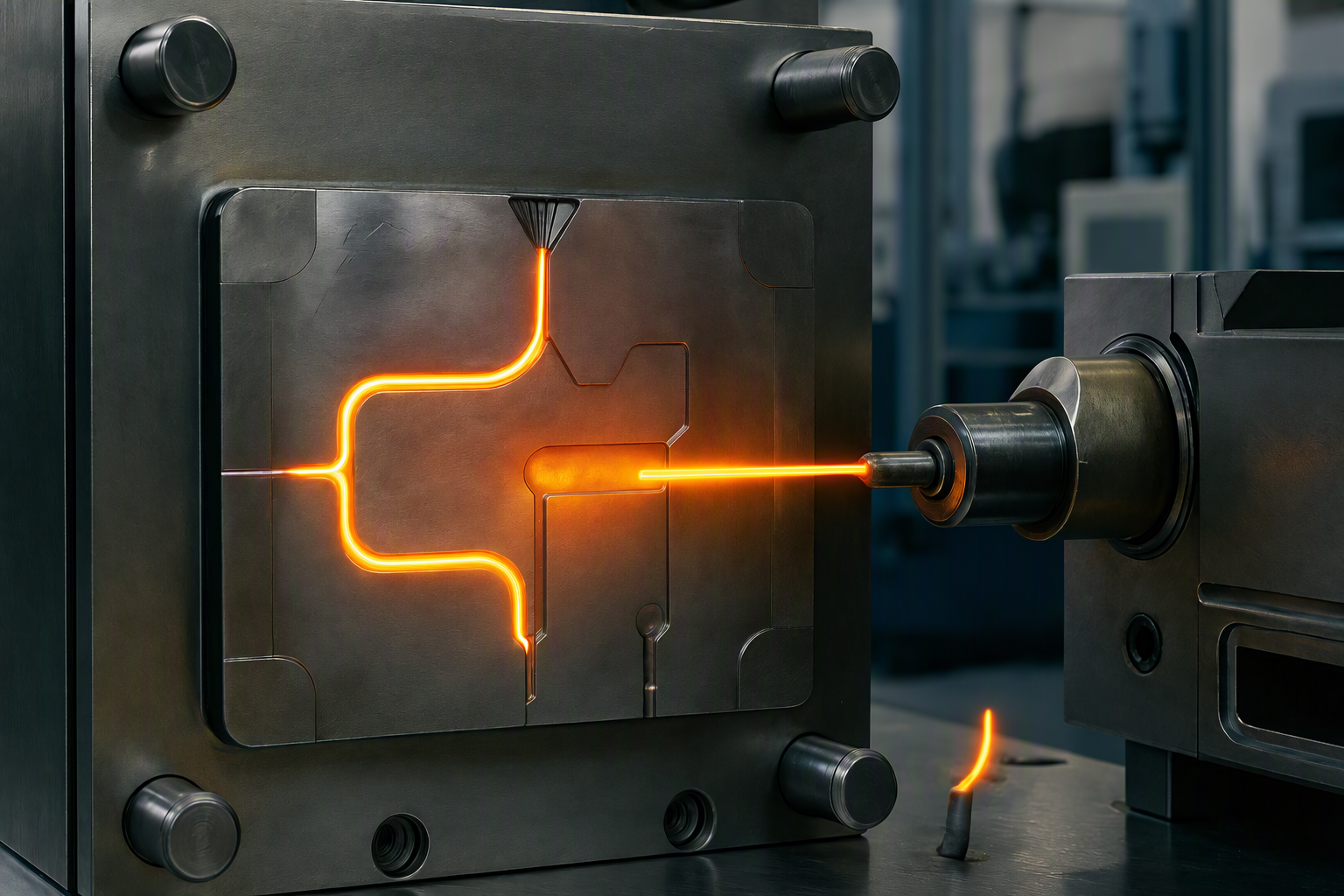
Injection molding is simple at its core. We melt plastic, then push it into a metal mold. The plastic cools, hardens, and pops out as a finished part. The full cycle runs in four stages: clamp, inject, cool, eject. You can read more about the process in this overview of injection molding. Our custom plastic injection molding team runs this process every day.
For a part to mold well, the plastic has to do three things. It must melt cleanly. It must flow into every corner of the mold. Then it must re-harden and hold its shape. Fail any one of these, and the part can’t be molded.
Materials That Can’t Be Injection Molded
Some plastics fight the process from the start. Here are the materials that can’t be injection molded well:
Low melting-point materials — they burn or break down before they flow
Porous materials — they trap air and won’t form a solid part
Multiphase or mixed-material blends — they separate under heat and pressure
Flexible rubbers and fully cured thermosets — they can’t re-melt, so they need compression or other methods
Sometimes a customer picks a plastic that won’t flow or hold its shape. We swap it for a resin that molds well and does the same job.
A “can’t mold” answer rarely means your part is impossible. Most of the time, it means the part needs a different process. You can still get the part made.
Part Shapes That Can’t Be Injection Molded
Materials are only half the story. Part shape matters just as much. Some designs give the machine trouble no matter what plastic you pick. Here are the shapes that can’t be injection molded:
Extremely large parts — they exceed the size limits of the machine and mold
Deep hollow cavities or long cylinders — plastic struggles to fill them, and the part is hard to eject
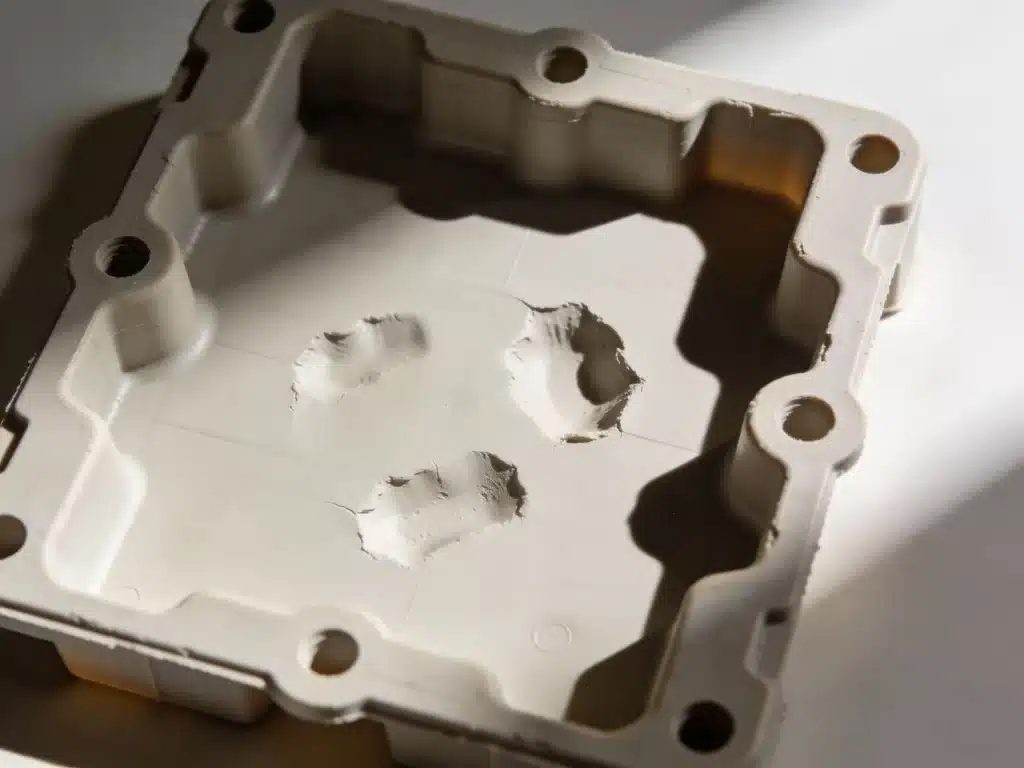
Excessively thin or delicate walls — the plastic can’t flow that far before it cools
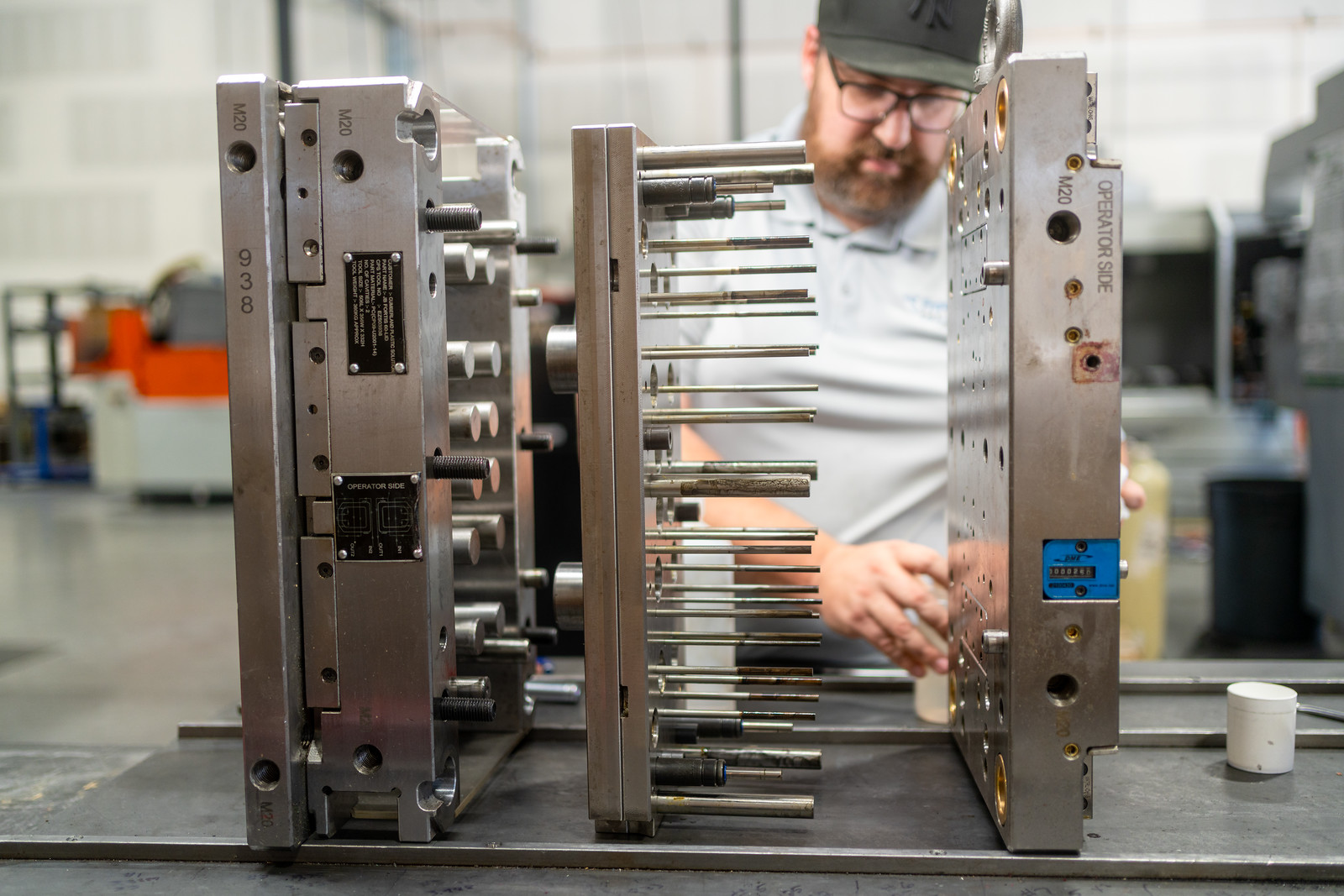
Interlocking, rotating, or enclosed moving parts — the mold can’t form features that are fully trapped inside
Thin walls have real limits worth knowing. You can see how thin you can injection mold for the practical numbers. Many of these shapes still work after a small redesign. Small fixes like added draft angles make a big difference. A design-for-manufacturability review catches these issues before you build the mold.
What to Do When Your Part Won’t Mold
So your plastic or design landed on one of these lists. Are you stuck? Not at all. A “no” on injection molding usually points to a better path. Here are your options:
Problem
Better Option
Material won’t melt or flow
Swap to a resin that molds well
Feature is too thin, deep, or trapped
Redesign it — split parts, add draft, thicken walls
Shape can’t work in a standard mold
Switch methods — blow, compression, or rotational molding
You only need a few parts
3D print for prototypes or small runs
A resin expert can match a new material to your needs. Our team can help choosing the right resin so the part molds cleanly. If the shape is the issue, other processes may fit better. You can compare other plastic molding methods to find the right one.
We review every design before we quote it. If we spot a molding problem, we hand you the fix with it.
When in doubt, just ask a manufacturer. We review your design, spot the problem, and hand you a fix. That’s the fastest way to get from a “no” to a finished part. See our plastic injection molding services at Freeform Polymers or call (435) 774-9090 to start.
You need 400 parts for a product launch. The first quote comes back with a 10,000-part minimum. Now you face a hard choice. You can buy parts you don’t need,…
Your circuit boards are finished. Your enclosure is molded. Screws, cables, and labels are coming from four different suppliers. Someone still has to turn that pile of parts into one…
You asked for a smooth, nice-looking part. Then the samples came back shiny, and every fingerprint and tiny dent showed. The mold did exactly what it was told. It just…
Your first sample parts look great until you flip one over. There’s a rough nub right on the face your customer sees first. That nub is where the plastic came…
Your first sample parts just came back. They look right until you tilt one toward the light. Then you see it: a shallow dent sitting right over a rib. Nothing…
Your CAD model says 25.00 mm. Your first molded parts come back at 24.93 mm. Is that a problem, or is it normal? The answer depends on the tolerance you…
A part passes inspection and ships out on time. Weeks later, it cracks after a solvent wipe or a tightened bolt. Nothing was wrong with the design. The stress was…