What Are the Different Types of Plastic Injection Molds? (Plate, Runner & Cavity Guide)
Justin Brown
August 27th, 2026
Not all injection molds are built the same way. At Freeform Polymers, we’ve seen how the type your part needs can change your tooling cost by thousands of dollars. That decision gets made before a single part is ever produced.
This guide breaks down the main types of plastic injection molds in plain terms. You’ll know what to ask before choosing a plastic injection molding service for your project.
We’ll cover how molds are classified by plate type and runner system. We’ll also compare single-cavity, multi-cavity, and family molds. Then we’ll walk through the core components every mold shares.
What are the Different Types of Plastic Injection Molds?
Plastic injection molds are classified in two main ways. The first is by plate design. The second is by cavity layout.
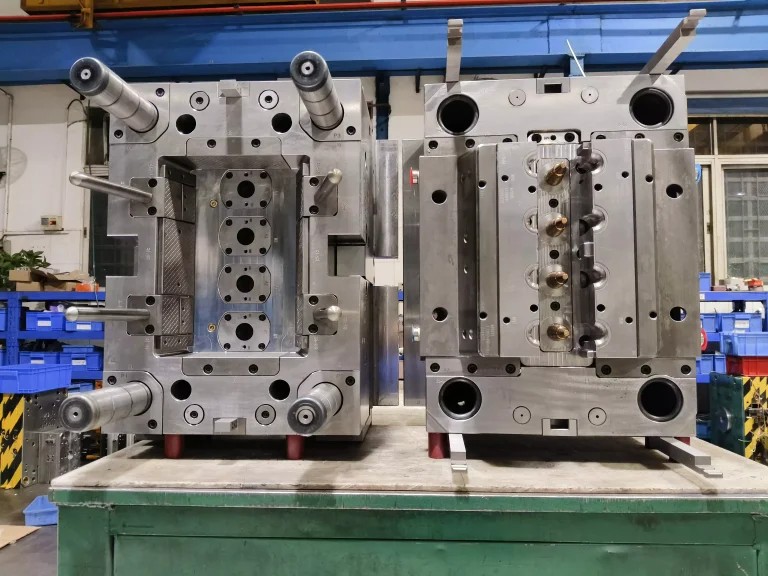
Plate type molds — Two-plate or three-plate designs. These control how the part separates from the runner system.
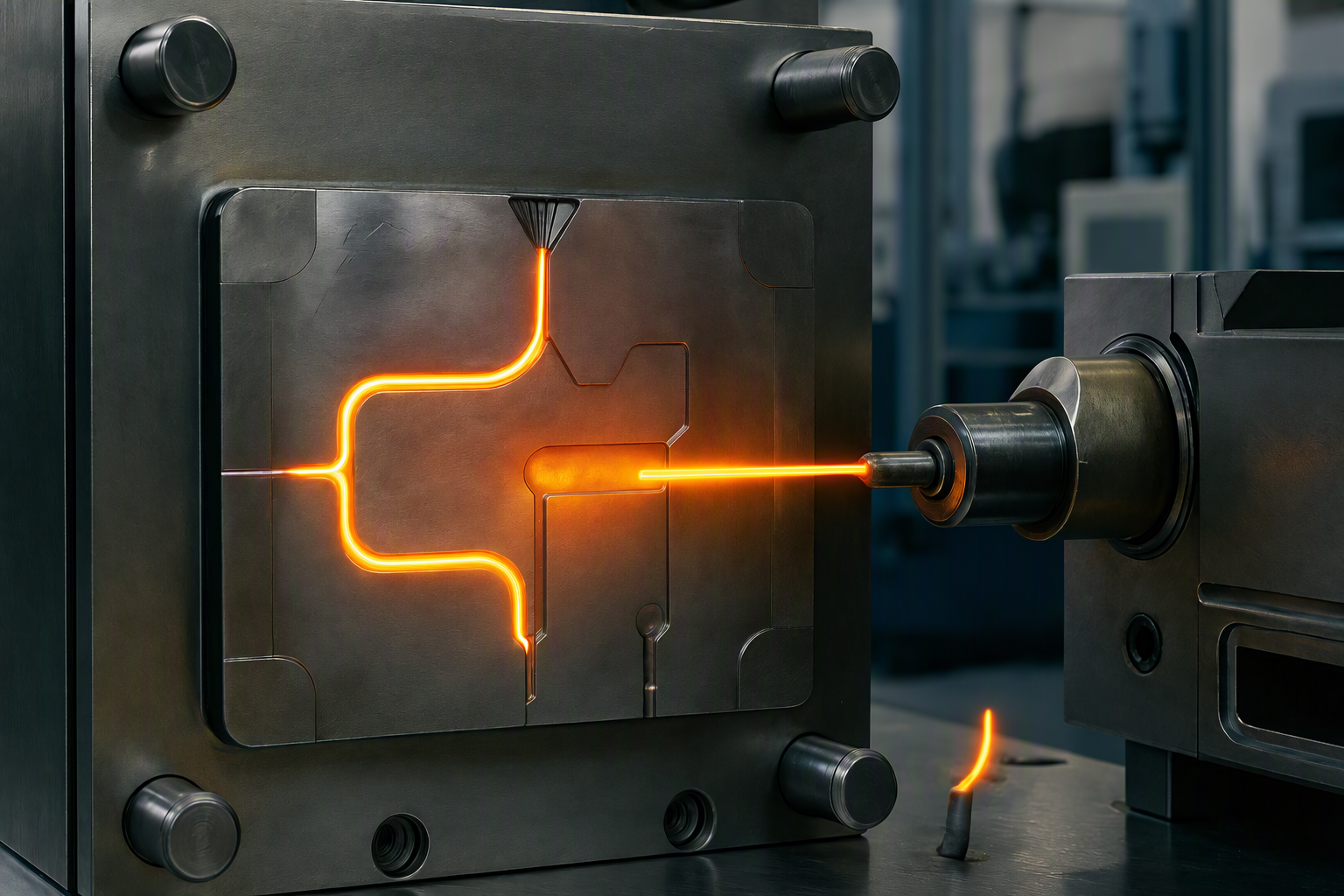
Runner type molds — Cold runner or hot runner systems. These control how melted plastic travels to the cavity.
Single-cavity molds — Produce one part per cycle. Lowest tooling cost, slower output.
Multi-cavity molds — Produce several identical parts per cycle. Higher tooling cost, faster output.
Family molds — Produce several different parts in one cycle. Useful for matched components.
Choosing the right plastic injection molding service starts with understanding mold structure. Two main choices shape how your mold works: the plate type and the runner system.
Two-plate vs. three-plate molds. A two-plate mold is the simpler design. It splits into two halves and works well for most standard parts.
A three-plate mold adds a middle plate. This extra plate separates the part from the runner system automatically. It’s often used for parts with multiple gate points or more complex shapes.
Cold runner vs. hot runner systems. A cold runner system lets melted plastic cool and solidify in the channels between cycles. It’s simpler and costs less upfront.
A hot runner system keeps the plastic melted between cycles. This cuts down on waste and speeds up production, but it costs more to build.
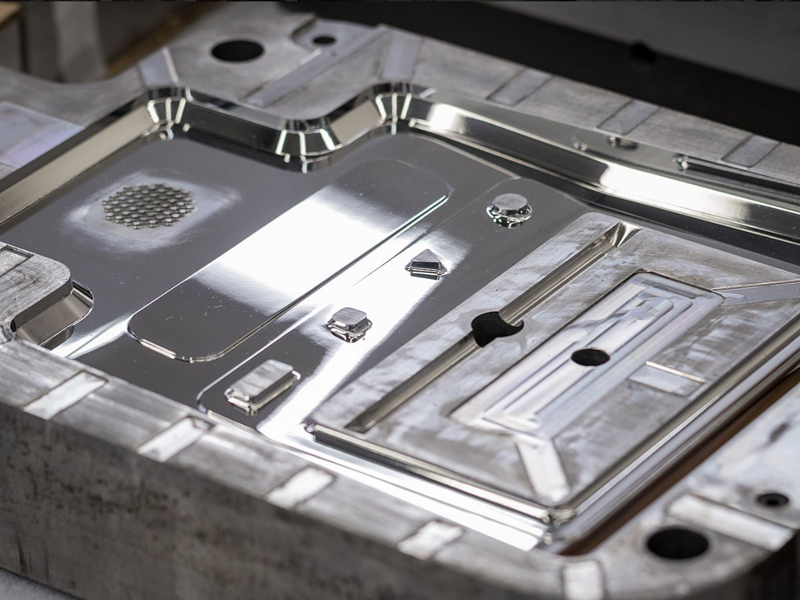
Cavity design basics. The mold cavity shapes the final part. Its finish, angles, and wall thickness all affect how the part looks and performs.
A well-designed cavity reduces defects. It also makes the part easier to remove once it cools.
Comparing Single-Cavity, Multi-Cavity, and Family Molds
Picking a mold type comes down to your part volume and budget. Here’s how the three main options compare.
Single-cavity molds work best for prototypes and low production volumes. They cost less upfront, making them a smart starting point for new products.
Multi-cavity molds produce several identical parts in one cycle. They cost more to build, but they pay off with high-volume production runs.
Family molds produce several different parts in a single cycle. They’re a good fit when you need matched components, like a housing and its lid. Because each cavity has a different shape, family molds often cost more to build than multi-cavity molds.
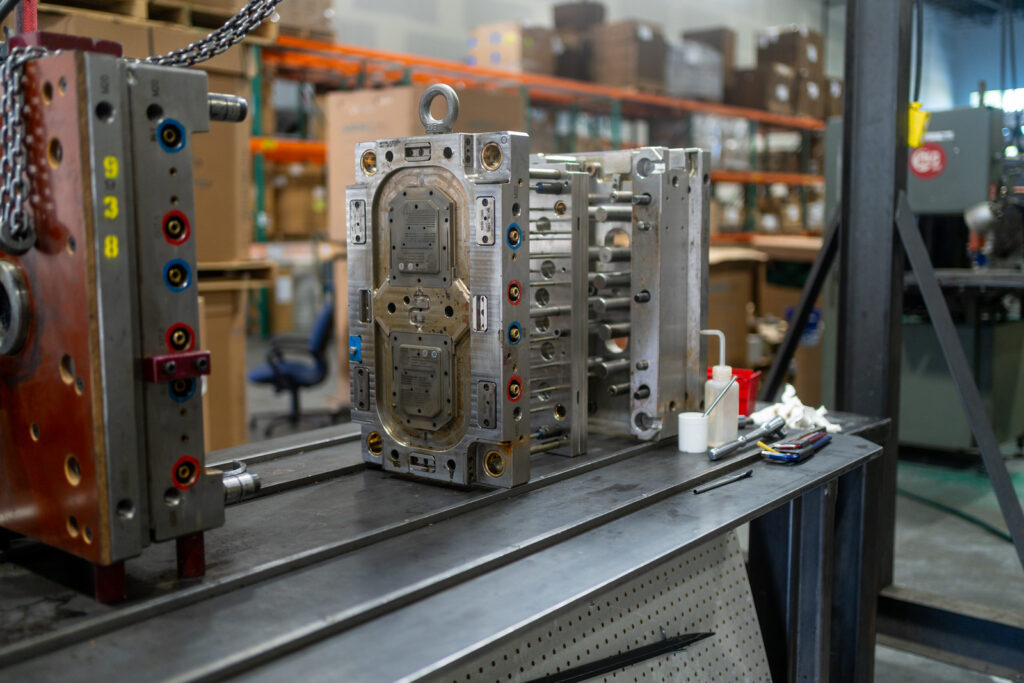
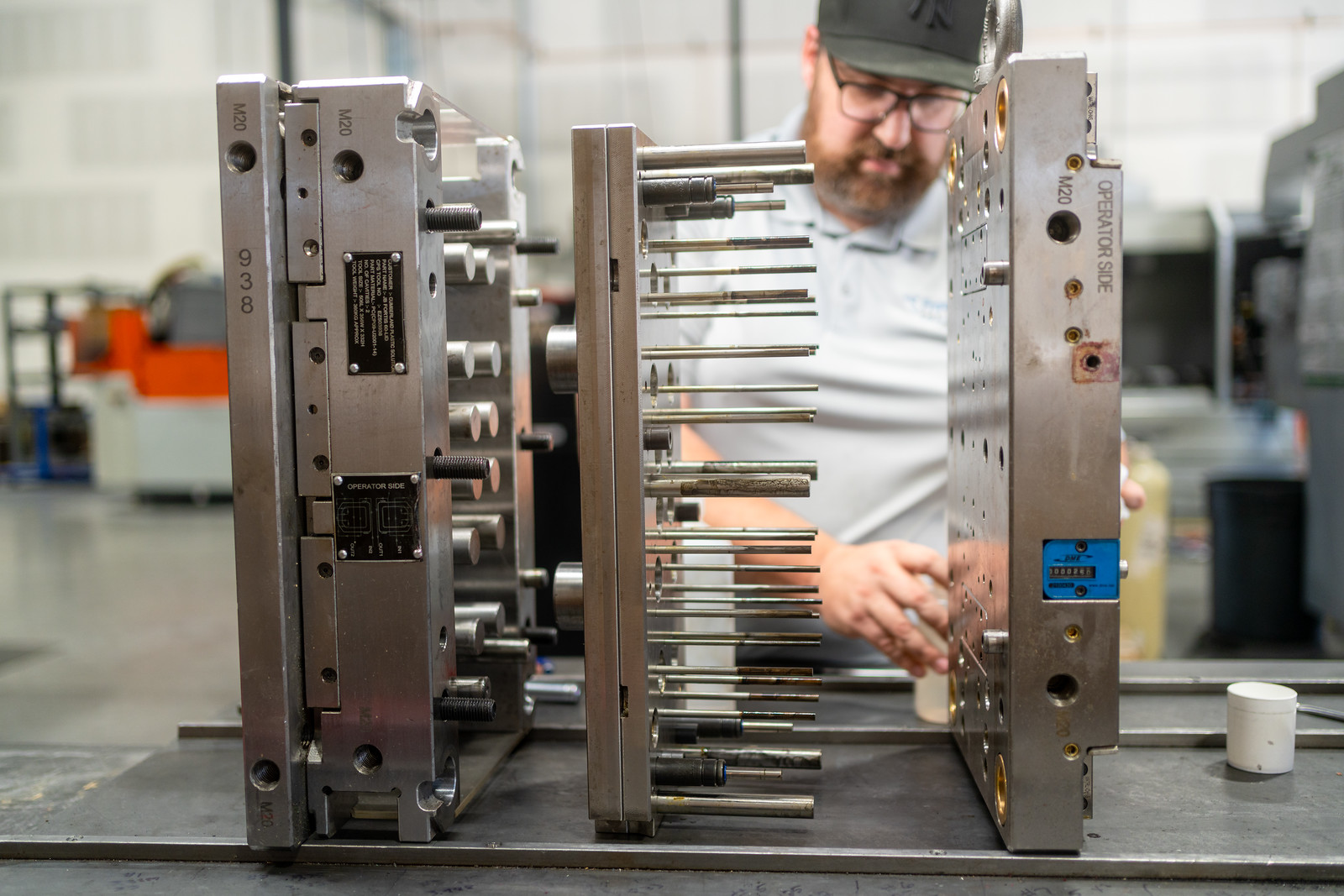
Mold base — The structural frame that holds everything together. It includes the A plate, B plate, and clamp plates.
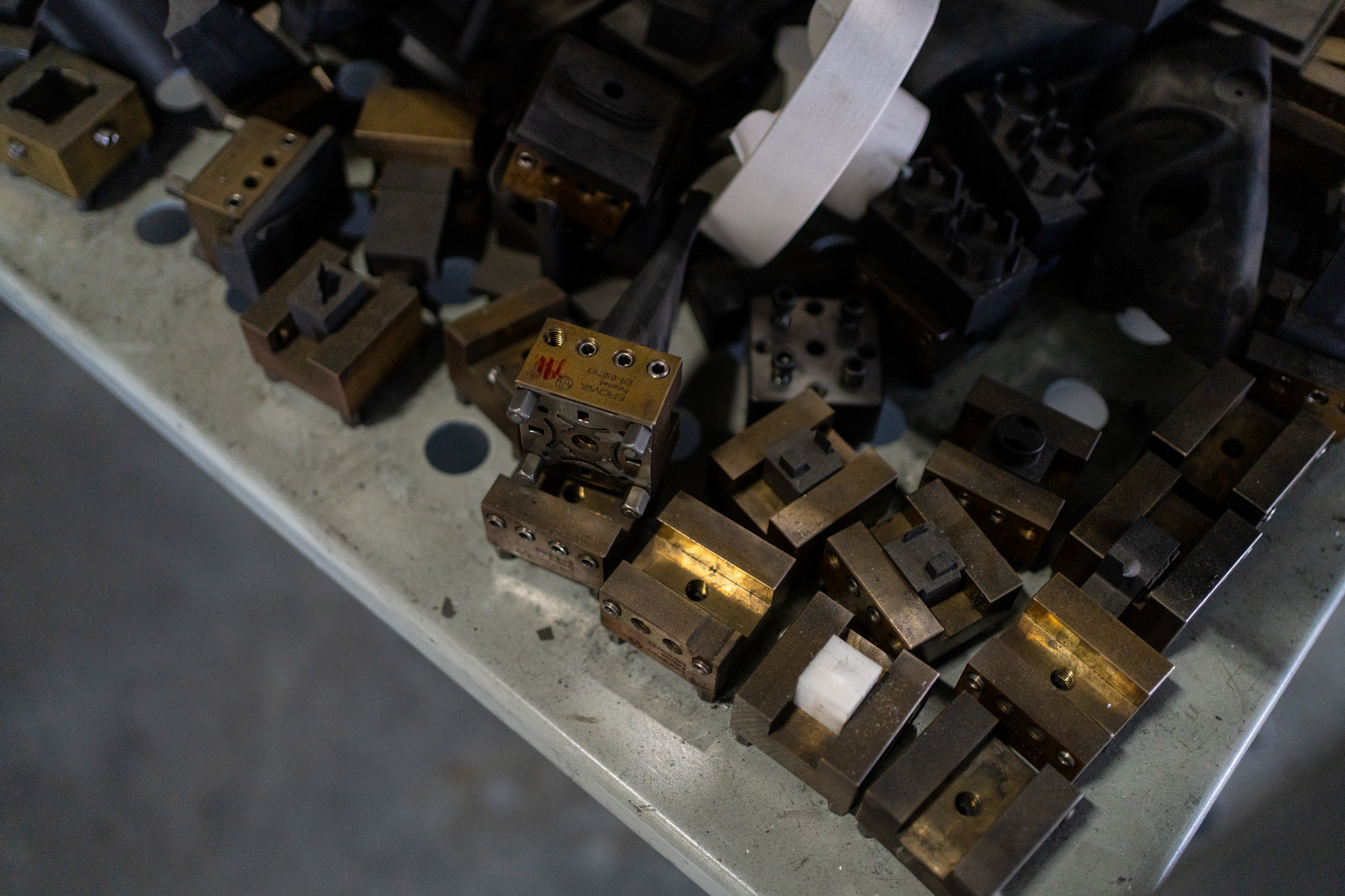
Molding system — The cavity and core. These form the actual shape of your part.
Ejection system — Pins, blades, or air ejection. This pushes the finished part out of the mold once it cools.
These three systems work together on every cycle. Understanding them helps you ask better questions during your project quote.
What Is Injection Mold Life Expectancy?
Mold life expectancy depends heavily on the material used to build it. Steel and aluminum wear very differently over time.
Steel molds can last anywhere from 300,000 to over 1,000,000 cycles, depending on the mold classification used. This makes steel the choice for high-volume, long-term production.
Aluminum molds typically last 10,000 to 100,000 cycles. They cost less and machine faster, making them a good fit for prototypes and low-volume runs.
What shortens mold life:
Abrasive or glass-filled materials
Poor maintenance and cleaning
High cycle counts without proper cooling time
Harsh operating environments
Mold type also affects wear. Multi-cavity molds see more stress per cycle than single-cavity molds, since more cavities fill at once.
Getting the Right Mold Built for Your Project
Choosing the right mold comes down to three factors: your production volume, part complexity, and budget. These decisions work best made together, not separately.
During a design consultation, we review your part drawings and production goals. We look at expected volume, material requirements, and any tight tolerances your part needs.
We also discuss your timeline and how it affects mold type and material choice. This helps you avoid paying for more mold than your project actually needs.
Ready to talk through your project? Explore our services and contact us to get started with a quote today!
You need 400 parts for a product launch. The first quote comes back with a 10,000-part minimum. Now you face a hard choice. You can buy parts you don’t need,…
Your circuit boards are finished. Your enclosure is molded. Screws, cables, and labels are coming from four different suppliers. Someone still has to turn that pile of parts into one…
You asked for a smooth, nice-looking part. Then the samples came back shiny, and every fingerprint and tiny dent showed. The mold did exactly what it was told. It just…
Your first sample parts look great until you flip one over. There’s a rough nub right on the face your customer sees first. That nub is where the plastic came…
Your first sample parts just came back. They look right until you tilt one toward the light. Then you see it: a shallow dent sitting right over a rib. Nothing…
Your CAD model says 25.00 mm. Your first molded parts come back at 24.93 mm. Is that a problem, or is it normal? The answer depends on the tolerance you…
A part passes inspection and ships out on time. Weeks later, it cracks after a solvent wipe or a tightened bolt. Nothing was wrong with the design. The stress was…