Can You Use 3D Printed Molds for Injection Molding? Shot Life, Cost, and When to Use Them
Justin Brown
November 12th, 2026
You need real plastic parts to test. Not 3D printed parts, but parts made in the plastic you plan to sell. The catch is that a metal mold can cost thousands of dollars and take weeks to build. So can you just print the mold instead?
Yes, you can use 3D printed molds for injection molding. But they work for a short run, not a long one. A steel mold can make a million parts or more. A printed mold may only make dozens or a few hundred.
For many projects, that’s all you need. It makes a printed mold a smart way to test a design before you pay for metal tooling.
In this guide, we cover how a printed mold works and how many parts it can make. We compare its cost with aluminum and steel molds. We also cover which plastics work best and when it’s time to move to a metal mold.
Can You Use 3D Printed Molds for Injection Molding?
Yes, you can use 3D printed molds for injection molding, but only for small runs. A printed mold is made from a stiff, heat-resistant resin instead of machined steel or aluminum. It can be ready in days and costs far less to build. The trade-off is mold life.
Most printed resin molds make about 50 to 200 parts. Some fail in under 10 shots, while others last into the thousands. It depends on the plastic, the part shape, and how the mold is run. Printed molds can also show layer lines, and they don’t hold tolerances as well as metal.
That makes them a good fit for testing a design, checking fit, or making a small batch. For thousands of parts, an aluminum or steel mold costs less per part. In the industry, using printed molds this way is one form of rapid tooling.
How a 3D Printed Injection Mold Works
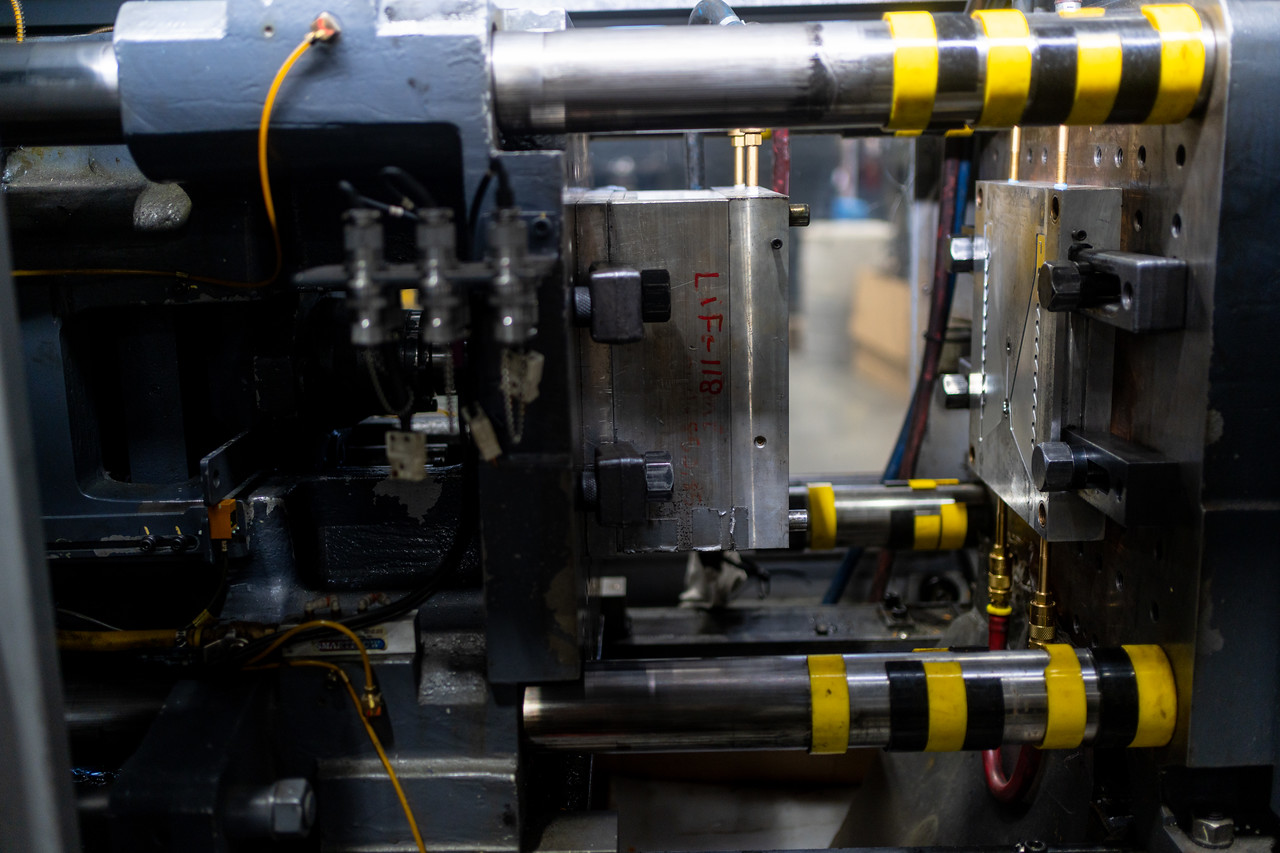
A printed mold runs on a real injection molding press. It isn’t a shortcut or a hack. The big changes are what the mold is made of and how gently it gets run.
Here’s how the process works:
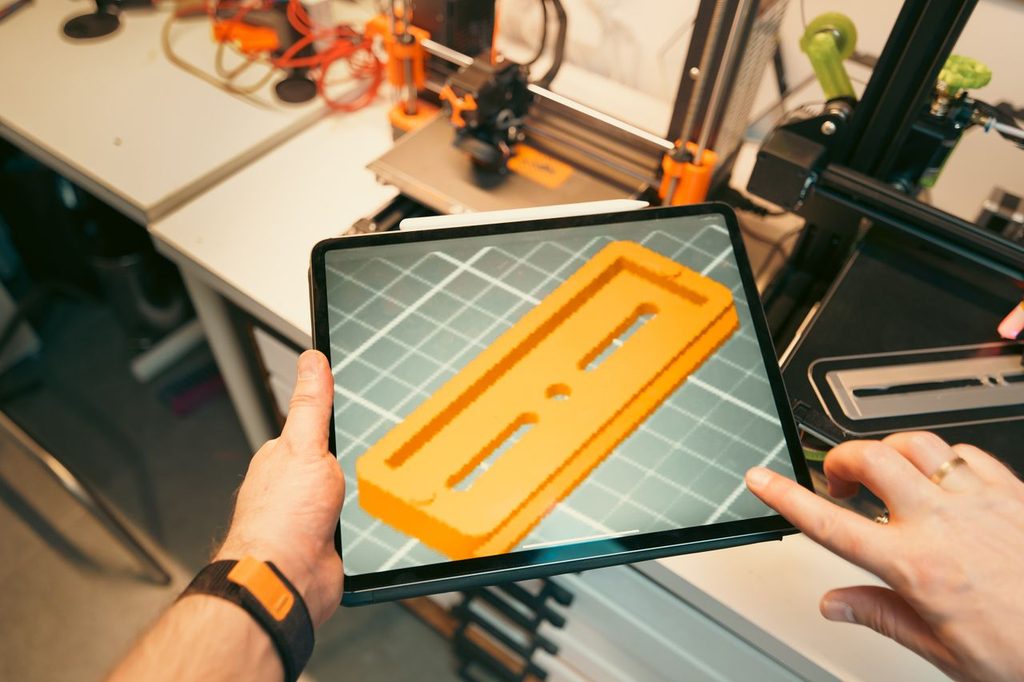
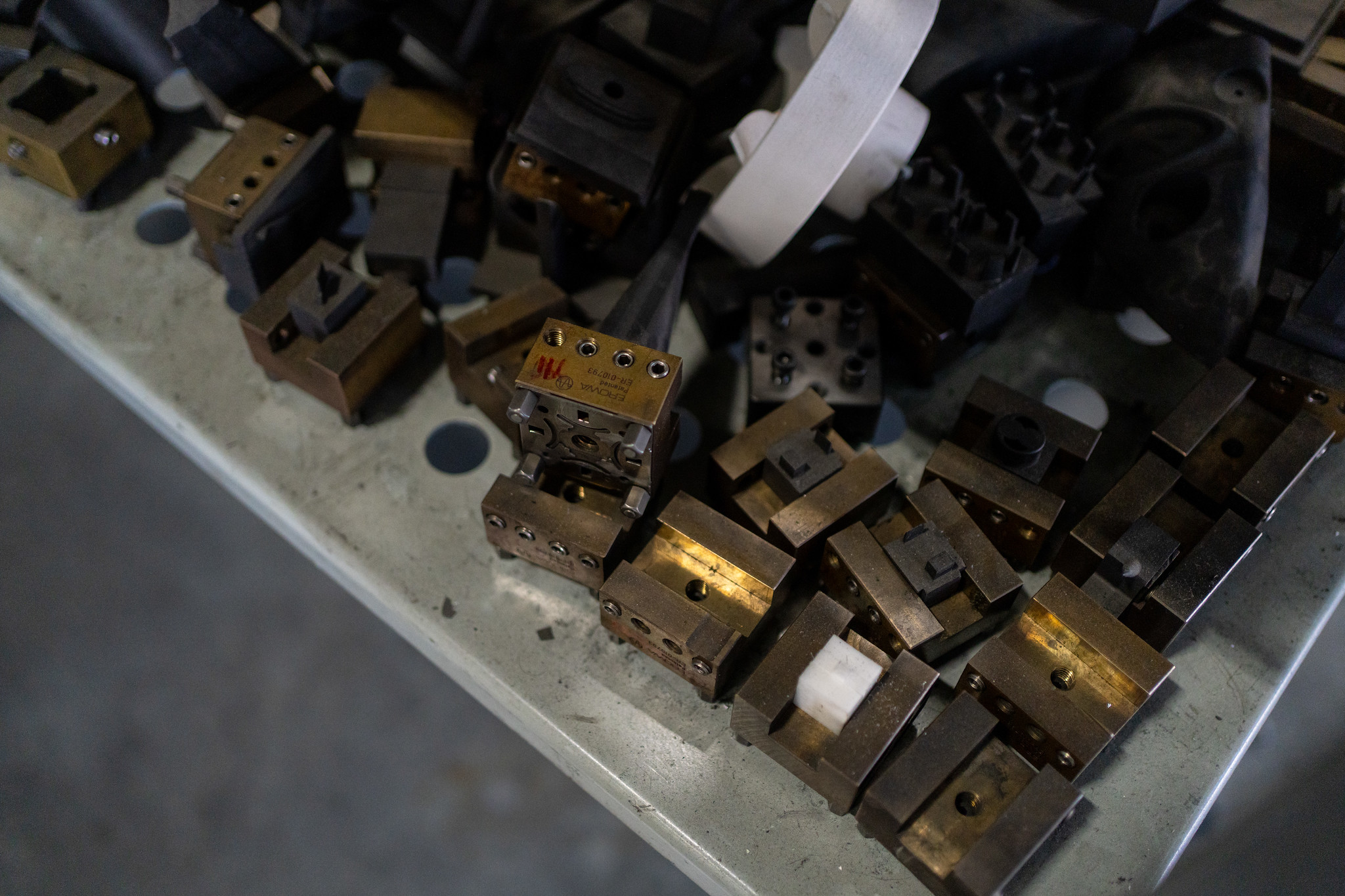
Print the core and cavity. The two halves that shape your part are printed as inserts. Most are printed in a stiff, heat-resistant resin.
Mount the inserts in a frame. The inserts are often held in a metal frame, such as a master unit die (MUD) holder. The frame supports them so they don’t crack under pressure.
Run the press with a lighter touch. Molders lower the clamp force, injection pressure, and injection speed. One printer maker also recommends keeping the mold below about 140°F (60°C). Printed resin pulls heat out far slower than metal, so each part needs more time to cool.
Eject a real molded part. The part comes out in the same plastic you plan to use in production. That’s the big difference from a 3D printed part.
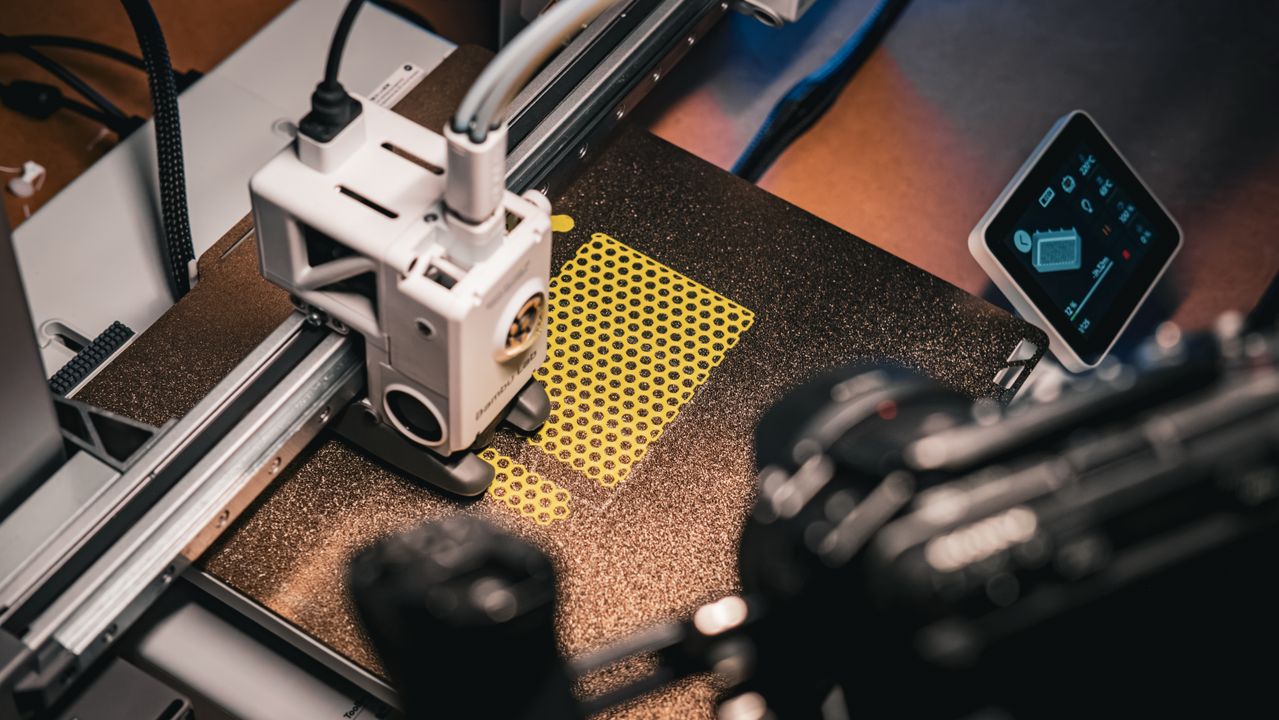
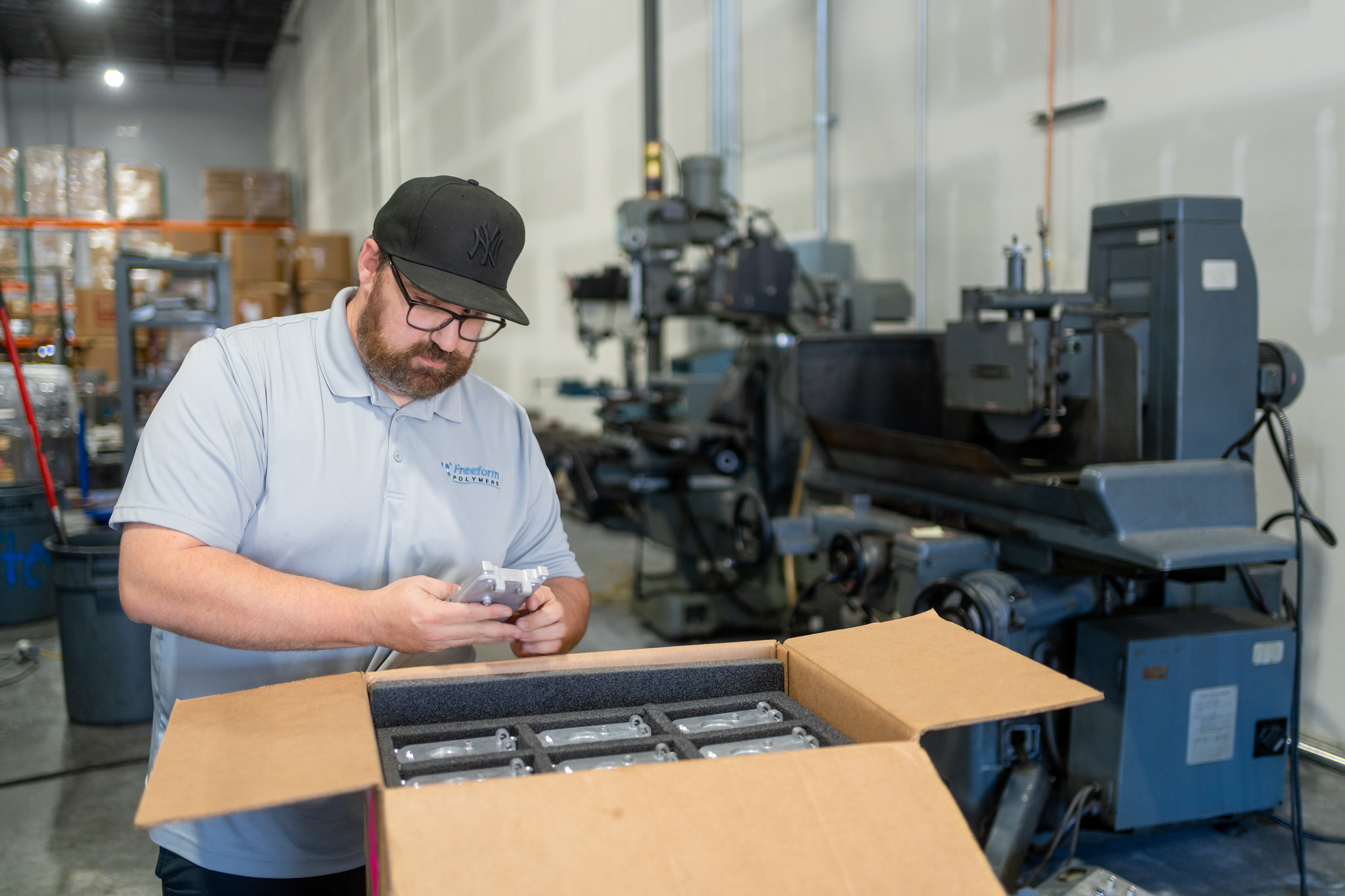
Because the part is truly molded, you can test how it fits, flexes, and holds up. We can use our in-house printers to print small molds for short runs like this.
How Many Parts Can a 3D Printed Mold Make?
Knowing how the mold works raises the next question: how long will it hold up? A printed resin mold can last anywhere from a few shots to a few thousand. In practice, 50 to 200 parts per mold is more common. In our own shop, fine detail on a printed mold starts to fade within about 100 soft-plastic shots. Sometimes it fades after just a handful.
Where your mold lands in that range depends on how hard each shot is on it. These things wear a printed mold out fastest:
Heat: Plastics molded at higher temperatures soften the resin and shorten mold life.
Pressure: High clamp and injection pressure can crack the mold.
Thin features: Thin walls, thin overhangs, and complex shapes break down first.
Glass-filled plastics: Glass fibers are abrasive and wear down the mold surface.
You can usually see a printed mold start to fail before it breaks. Watch for surface detail that fades or roughens. Also look for cracks and parts that drift out of size.
Mold type
Typical shot life
Best for
Printed resin
A few to a few thousand (50 to 200 is common)
Design tests and fit checks
Aluminum
Thousands to about 100,000
Prototypes and low-volume production
Steel
100,000 to 1,000,000+
High-volume production
For steel, the industry uses SPI mold classes. A Class 101 mold is built to run 1 million cycles or more.
Printed metal is a different story. Inserts printed in tool steel can last about as long as machined steel. They’re often used to add cooling channels to production molds, not to save money on a test run.
Shot life is half the story. The other half is what each part costs. A printed mold costs far less up front than a metal one. But the mold’s price isn’t the whole bill.
One printer maker puts the material for a printed injection mold at about $25 to $200, depending on size. Aluminum molds often cost about $2,000 to $15,000. Production steel molds often run $10,000 to $100,000 or more.
The number that matters most is cost per part. Say a printed mold uses $200 in material and makes 100 parts. That’s $2 per part for the mold alone. A $2,000 aluminum mold that makes 10,000 parts costs just $0.20 per part.
These costs still apply with a printed mold:
Mold frame: The inserts need a frame to hold them in the press.
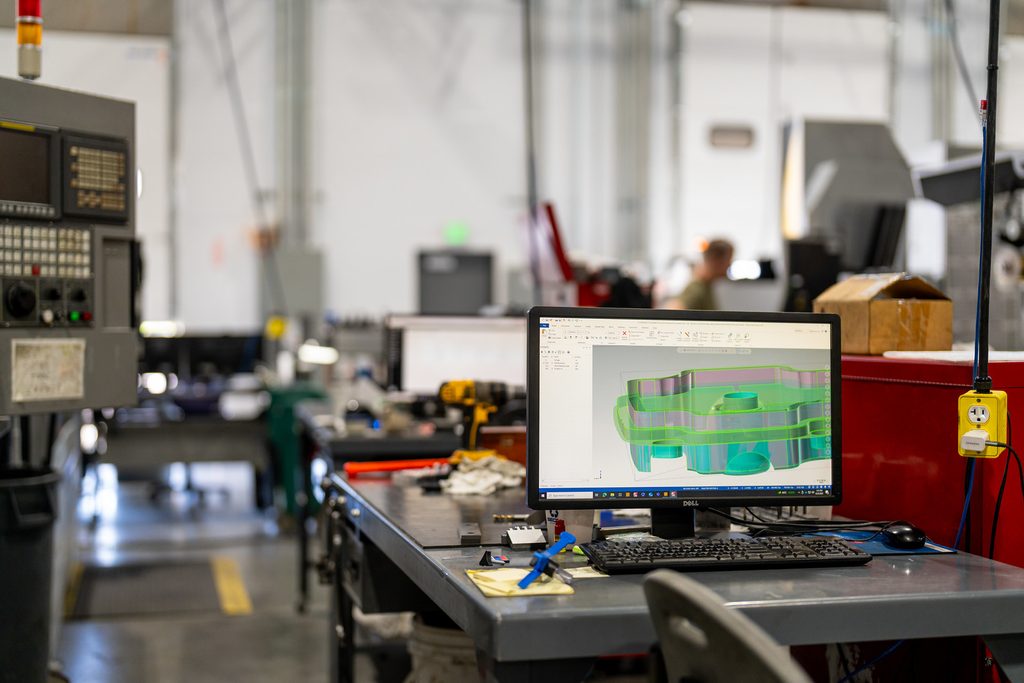
Design time: Someone still has to design the core, cavity, gates, and vents.
Press time and labor: Slower cycles mean more press time for each part.
Reprints: If the mold wears out early, you pay to print it again.
Each mold type fits a different stage of a project. Printed molds are fast and cheap, but they wear out quickly. Steel molds cost the most, but they can run a million parts or more. Aluminum sits in between.
3D printed mold
Aluminum mold
Steel mold
Mold cost
Lowest; often under $200 in material
About $2,000 to $15,000
About $10,000 to $100,000+
Lead time
Days
About 1 to 4 weeks
About 2 to 8+ weeks, based on complexity
Shot life
A few to a few thousand
Thousands to about 100,000
100,000 to 1,000,000+
Surface finish
Layer lines can show
Good
Best; mirror polish needs hardened steel
Tolerance
Looser
Tight
Tight
Best use
Design tests and fit checks
Prototypes and low-volume runs
High-volume production
If a printed mold can’t do the job, aluminum takes over. Aluminum is the bridge between a printed mold and steel. It’s usually faster to machine than steel, and it can make thousands of good parts. For many projects, that means a quick aluminum mold first, then a hardened steel mold once the design is set.
The plastic you shoot into a printed mold has a big effect on how long the mold lasts. Plastics molded at lower temperatures are gentler on it. Hot or glass-filled plastics wear it out fast. The shot counts below come from printer makers’ own testing, so treat them as rough guides.
Good fit:
PP (polypropylene): Polyolefins like PP have gotten 50 to 100 parts in one maker’s tests and hundreds in others.
TPE (thermoplastic elastomer): Molds at lower temperatures and can get hundreds of parts.
POM (acetal): Has reached 700 to 800 shots in a printed mold.
Use with care:
ABS: Can be molded in printed molds, but mold life depends on the grade and melt temperature.
Expect very short mold life:
Nylon and polycarbonate: These may only get 5 to 20 parts from a printed mold.
Glass-filled plastics: The fibers scrape and wear down the mold surface.
You may also wonder, “Can you injection mold with PLA?” PLA itself can be injection molded. But a mold printed in PLA is a bad idea. PLA starts to soften at about 130–150°F (55–65°C), so the mold would warp under hot plastic.
Not sure which plastic fits your part? Our material selection guide can help you compare options.
When to Use a 3D Printed Mold (and When to Skip It)/
A printed mold is a tool for a specific job. It shines early in a project, when your design may still change. It falls short once you need volume, polish, or tight specs.
We’re an injection molder and mold maker in North Logan, Utah. We work with businesses across Cache Valley, Northern Utah, and Southern Idaho. Our team handles part review, mold design, machining, finishing, and mold trials under one roof.
In-house 3D printing for prototypes and small molds
Mold sampling and testing before production
We can 3D print small molds for short runs. A printed mold can be done in as little as a week. When your design is set, we can build an aluminum or hardened steel mold for production.
We sample and inspect every mold before production starts. Ready to talk about your project? Contact us or call (435) 774-9090 today!
Your quote says a 150-ton press. A second quote for a similar part says 300 tons. Which one is right? One simple formula gives you a solid starting point. Getting…
Your mold is built and ready to run. It goes in the press, and the first shot comes out short. The barrel couldn’t hold enough plastic to fill the mold…
Your mold quote comes back higher than you planned. One line item says “2 side actions.” You never asked for those, so where did they come from? The reason is…
You need 400 parts for a product launch. The first quote comes back with a 10,000-part minimum. Now you face a hard choice. You can buy parts you don’t need,…
Your circuit boards are finished. Your enclosure is molded. Screws, cables, and labels are coming from four different suppliers. Someone still has to turn that pile of parts into one…