What Is 3K Injection Molding? How Three-Material Parts Are Made
Justin Brown
June 18th, 2026
Ever wonder how one button can feel hard on the outside but soft where you grip it? The symbol might even be a different color. No glue holds these parts together. That is 3K injection molding.
This guide explains 3K injection molding in plain terms. You will learn what it is and how the three-shot process works. You will also see when it fits your part and when it does not.
We start with what 3K means. Then we walk the process step by step. We compare it to simpler molding and show where it gets used. By the end, you will know what to ask a manufacturer before you call one.
What Is 3K Injection Molding?
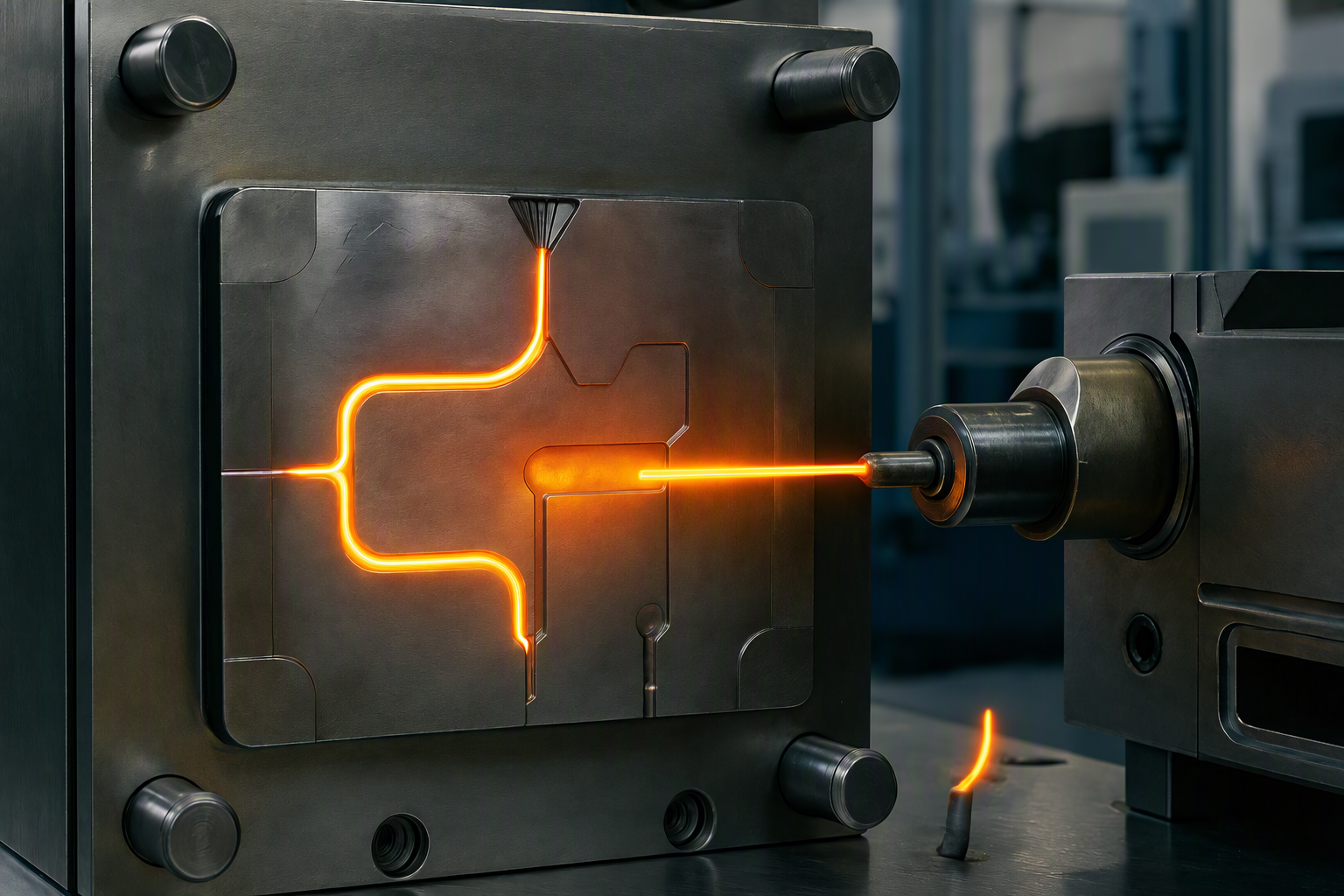
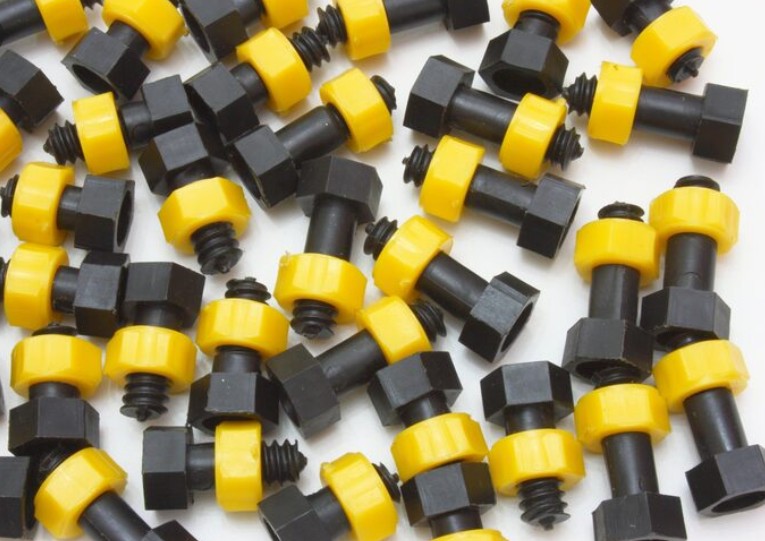
3K injection molding makes one plastic part from three materials or colors in a single machine cycle. The name “3K” comes from the German drei Komponenten, meaning three components. The machine builds the part in three shots. It injects the first material, the mold shifts, then it adds the second and third. The layers bond during molding, so no glue or assembly is needed. This works well for parts that need mixed colors, a hard-and-soft feel, or different properties. Think buttons, grips, and seals.
How Does 3K Injection Molding Work?
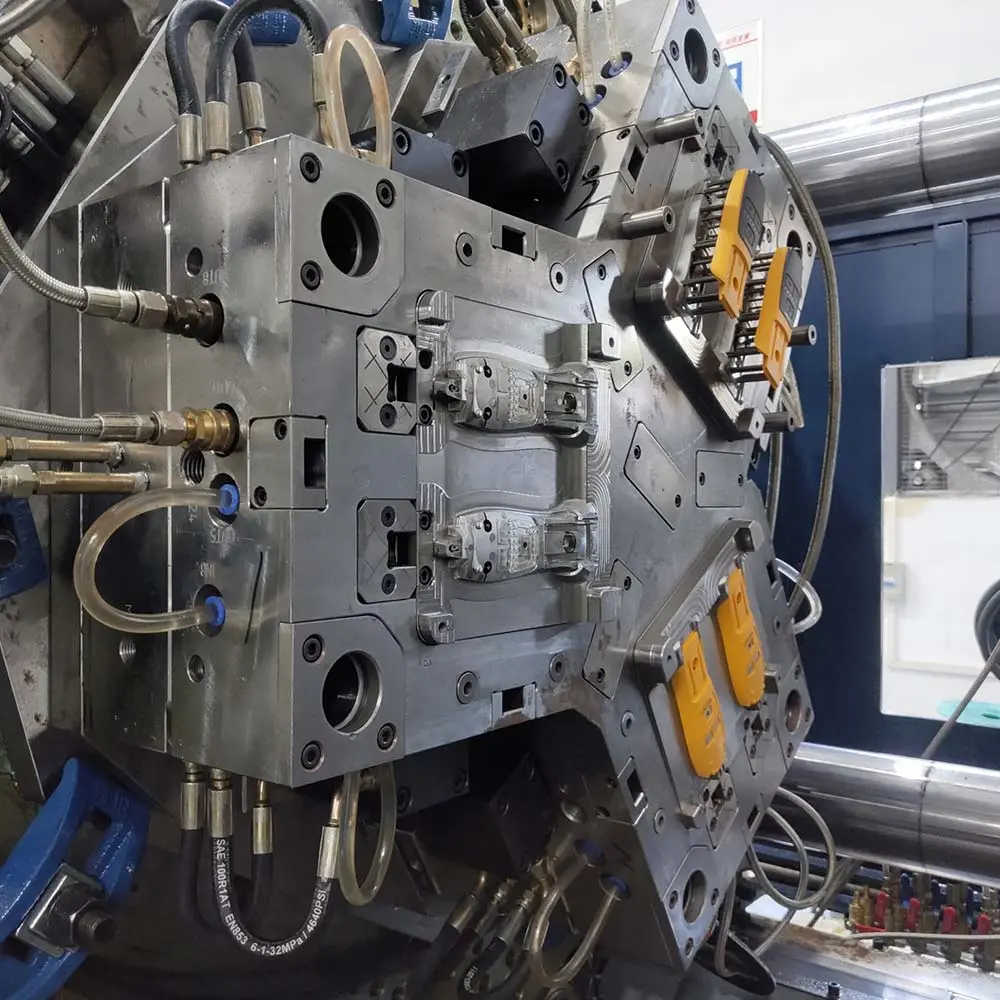
A 3K machine has three injection units. Each one holds a different material or color. The part is built one shot at a time, in order.
Here is how the cycle runs:
Shot 1: The machine injects the first material to form the base.
Shot 2: The mold rotates or shifts. The second material is added on top.
Shot 3: The mold shifts again. The third material is added to finish the part.
The layers bond inside the mold as each shot cools. You get one solid part with no glue and no separate assembly step.
Color order matters more than most people expect. We plan the shot sequence to keep colors from bleeding into each other. A clean run starts with the right material first.
3K vs. 2K vs. Single-Shot Molding: What’s the Difference?
The difference comes down to how many materials go into one part. More materials mean more shots and a more complex mold.
Single-shot molding: One material, one cycle. Most plastic parts are made this way.
2K (two-shot) molding: Two materials in one cycle. Good for a hard base with a soft grip.
3K (three-shot) molding: Three materials in one cycle. Adds a third color or property.
3K is closely related to overmolding and insert molding. Some shops even group multi-shot molding under overmolding. The main difference is timing: 3K molds all three materials together in one machine cycle. Insert molding adds plastic around a separate base or metal part instead.
Type
Materials
Common Uses
Cost
Single-shot
1
Basic housings, clips, brackets
Lowest
2K
2
Soft-grip handles, two-color keys
Medium
3K
3
Multi-color buttons, seals, complex grips
Highest
Where Is 3K Injection Molding Used?
3K molding shows up in parts you touch every day. It fits products that need more than one material in a small space.
Automotive: Buttons, knobs, and seals that mix color with grip.
Medical devices: Handles and multi-color housings that hold up to use.
Consumer electronics: Casings and soft-touch parts on phones and remotes.
Everyday items: Toothbrushes and tool handles with hard and soft zones.
These industries pick 3K because it puts color, feel, and function into one part. That saves steps and cuts down on parts that can fail.
Benefits of 3K Injection Molding
3K molding turns a multi-part job into one clean process. The payoff shows up in cost, quality, and design.
Fewer assembly steps: Three parts become one. You skip gluing and joining later.
Stronger bond: Layers fuse in the mold. That holds better than glue.
Design freedom: You can mix color, hard and soft zones, and function in one part. A custom injection molding builds the mold around that design.
Consistent quality: Each cycle runs the same way, so parts match at volume.
Fewer failure points: One molded part has less to come loose or break than a glued assembly.
Challenges and Cost of 3K Injection Molding
3K molding is not the right fit for every part. The trade-offs show up early, mostly in cost and complexity.
Higher upfront cost: Multi-shot machines and tooling cost more than single-shot setups.
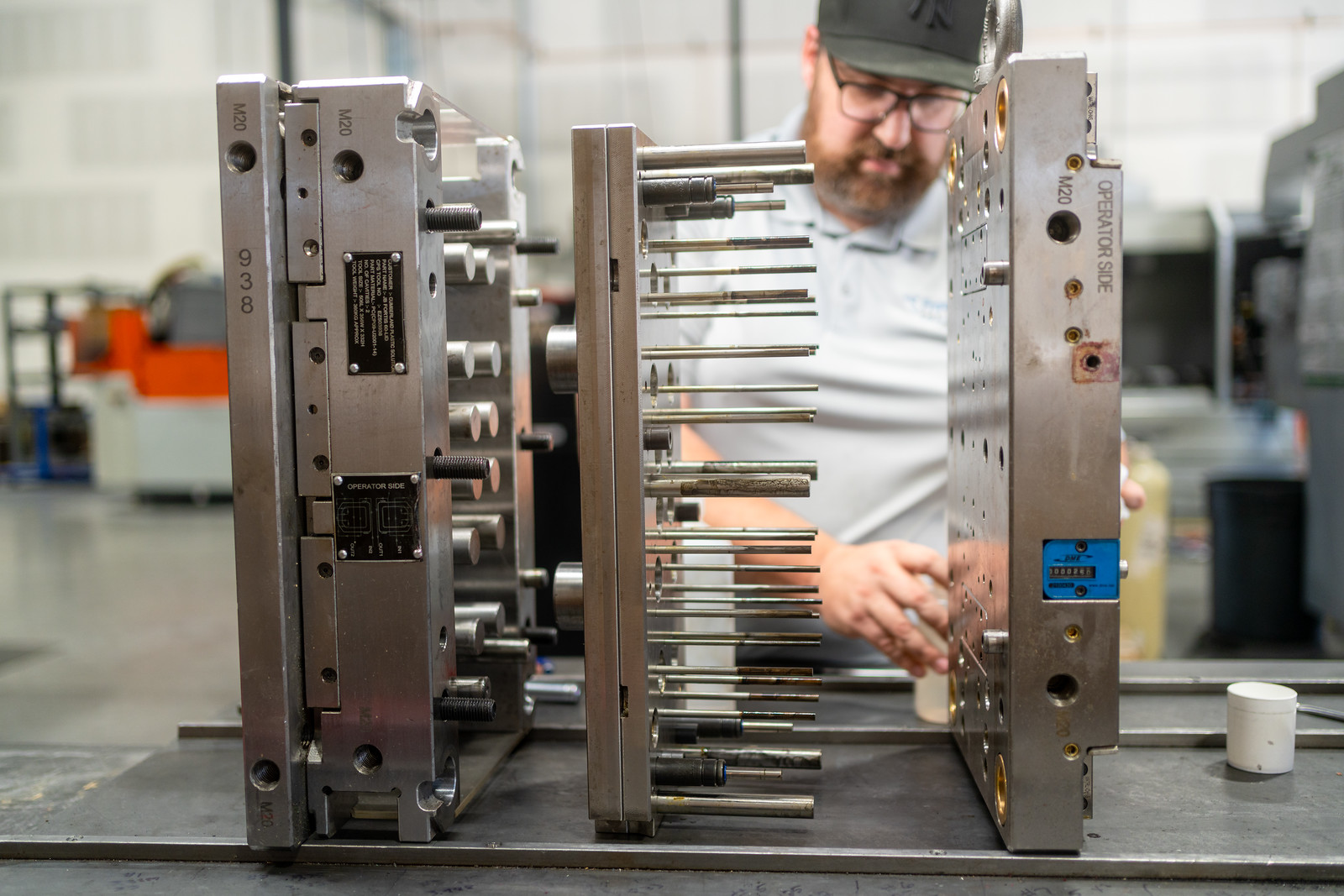
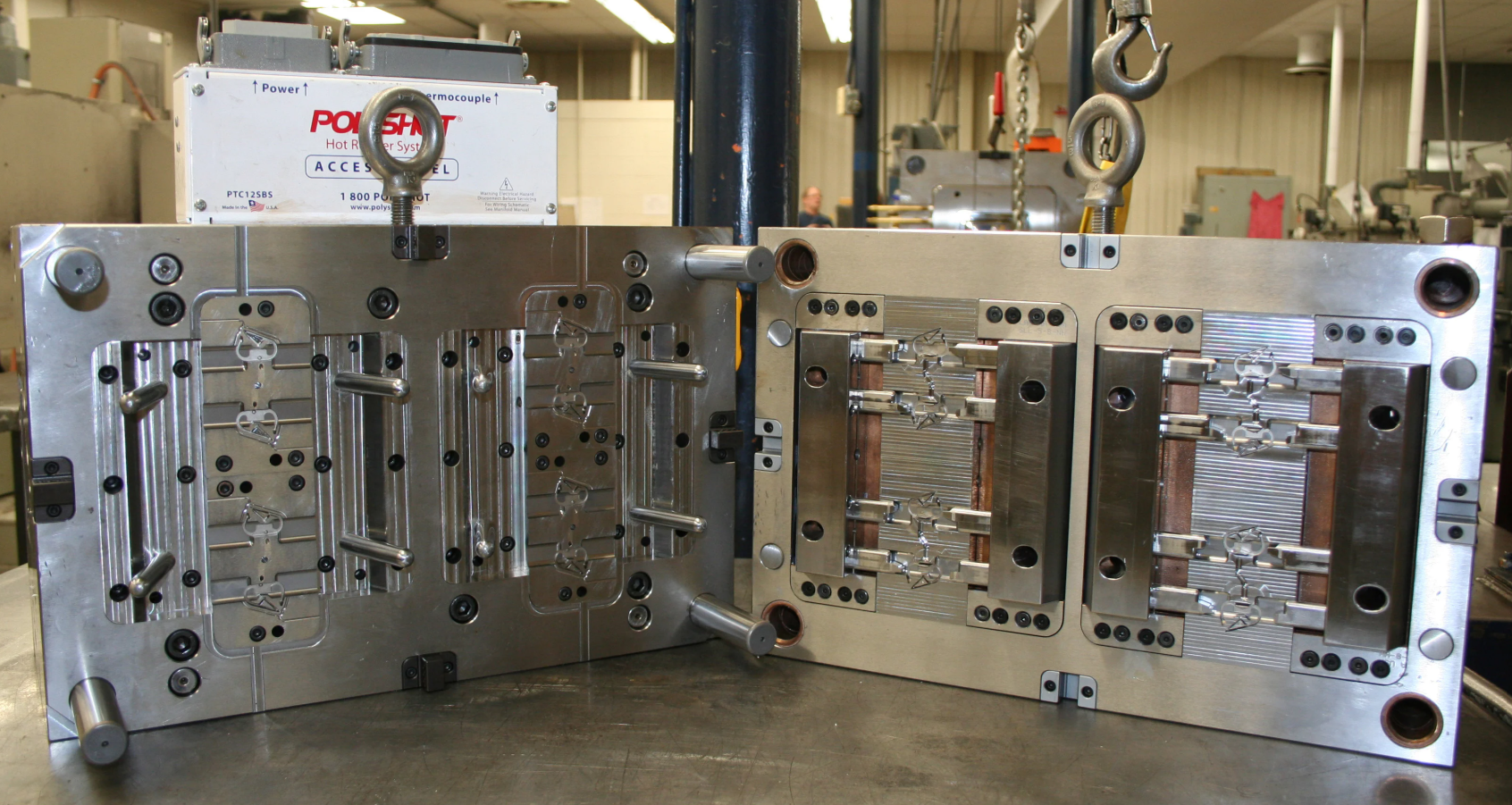
Complex mold design: The mold must rotate or shift and hold tight tolerances across three shots.
Skilled operators: Running three shots in sequence takes trained hands.
The cost pays off at the right volume. When 3K removes assembly labor and glue across thousands of parts, the savings add up. For low volumes or simple parts, single-shot or 2K is often the smarter call.
How to Choose a 3K Injection Molding Manufacturer
The right shop has real multi-shot equipment and the experience to run it. Ask the right questions before you commit.
True multi-shot equipment: Confirm they run actual 3K machines, not glued or assembled workarounds.
Material-bonding knowledge: Ask how they match materials so the layers bond and hold.
Quality systems: Look for a standard like ISO 9001:2015 that backs consistent output.
In-house tooling: A shop that designs and builds molds can fix issues faster and protect your timeline.
A good partner saves you more than molding time. Take a part once built from three glued pieces. Molded as one 3K part, it cuts assembly labor and removes the failure points where glue lets go. That kind of part consolidation is the real payoff of 3K.
Ready to talk through your part? Contact us at Freeform Polymers and request a quote or call (435) 774-9090. You can also visit us in our shop at the Cache Valley to see the process firsthand.
You asked for a smooth, nice-looking part. Then the samples came back shiny, and every fingerprint and tiny dent showed. The mold did exactly what it was told. It just…
Your first sample parts look great until you flip one over. There’s a rough nub right on the face your customer sees first. That nub is where the plastic came…
Your first sample parts just came back. They look right until you tilt one toward the light. Then you see it: a shallow dent sitting right over a rib. Nothing…
Your CAD model says 25.00 mm. Your first molded parts come back at 24.93 mm. Is that a problem, or is it normal? The answer depends on the tolerance you…
A part passes inspection and ships out on time. Weeks later, it cracks after a solvent wipe or a tightened bolt. Nothing was wrong with the design. The stress was…
You design a part to be exactly 100 mm long. The first samples come back at 98.5 mm. Nothing went wrong on the press, and the mold wasn’t built wrong.…