What Is the Typical Tolerance for Injection Molding?
Your CAD model says 25.00 mm. Your first molded parts come back at 24.93 mm. Is that a problem, or is it normal? The answer depends on the tolerance you…
Design changes cost more the later you make them. A tweak on paper is cheap. The same tweak after the mold is cut is not.
That’s the idea behind DFM, or Design for Manufacturing. At Freeform Polymers, DFM means designing a part so it’s easy, affordable, and reliable to produce, before the mold is ever built.
This article explains what DFM means. We’ll cover why it matters before your part goes to mold. You’ll also learn how a short review can save you money, time, and stress down the road.
We’ll break down what DFM actually involves. Then we’ll walk through how it protects your budget, your part quality, and your production timeline. Last, we’ll show you exactly when to ask for one.
DFM, or Design for Manufacturing, means designing a part so it’s easy, affordable, and reliable to produce, before we build the mold. During a DFM review, we check things like wall thickness, draft angles, and gate placement. This helps us catch problems early.
Catching these issues on paper is far cheaper than catching them after steel is cut. A DFM review helps you avoid costly mold rework, production delays, and part defects. It’s one of the simplest ways to protect your budget and your timeline before a project starts.
DFM stands for Design for Manufacturing. It means shaping a part’s design around how it will actually be made.
This step happens before tooling starts, not after. Once a mold is cut, changes get expensive fast. A DFM review catches issues while the design is still just a file.
DFM applies to many manufacturing processes. This article focuses on injection molding, since that’s where design choices affect mold cost the most.
DFM is often confused with DFA, or Design for Assembly. They work together, but they solve different problems.
A real DFM check looks at the part from every angle. We review wall thickness, draft angles, undercuts, and gate location. Each of these affects how well the part fills, cools, and ejects from the mold.
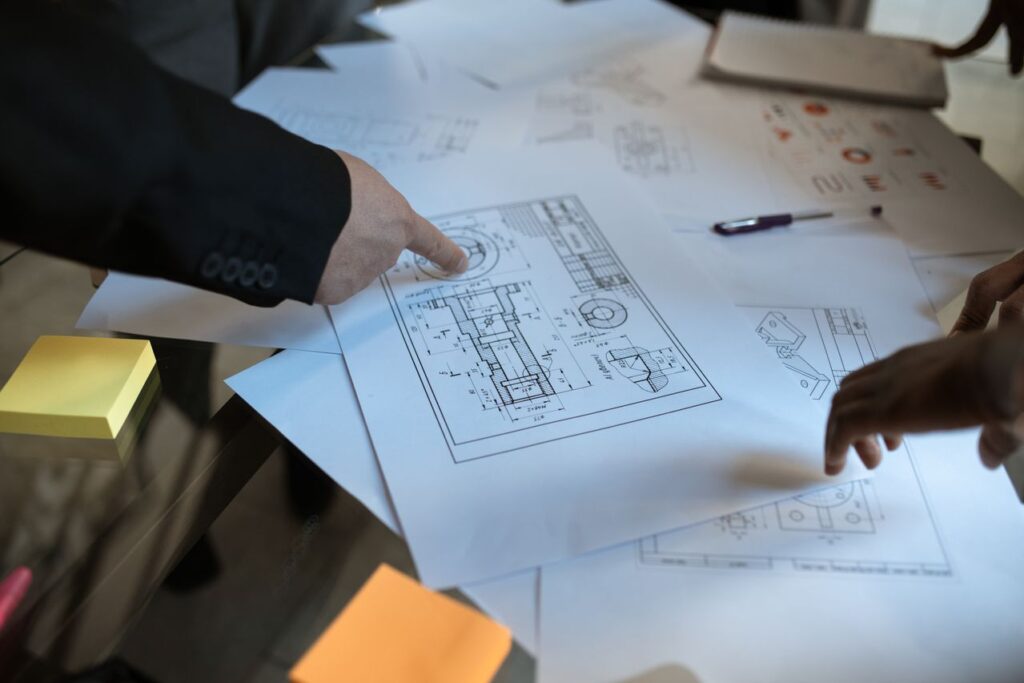
Tooling changes cost more once steel has been cut. Changes made on paper, before the mold is built, cost far less. This is why timing matters so much in DFM. See our full breakdown of why design changes get expensive after tooling.
Some design features raise mold cost more than others. Removing features you don’t need can lower both mold complexity and mold cost. We’ve helped clients redesign parts to remove side actions, sometimes saving 30% or more on mold cost.
Common cost-driving features include:
Reducing wall thickness where it’s safe to do so also cuts material cost per part. Less plastic used means lower cost per unit, without weakening the part.
DFM isn’t just about saving money. It also helps prevent part failures before they happen.
Uniform wall thickness helps prevent warping and sink marks. Consistent thickness lets the part cool evenly, so it holds its shape.
Draft angles help the part release from the mold without damage. Without enough draft, ejection can scratch or stress the part.
Gate placement affects both strength and appearance. The wrong gate location can weaken a part or leave visible marks.
| Design Issue | Quality Problem It Causes |
| Uneven wall thickness | Warping or sink marks |
| Insufficient draft angle | Ejection damage or scratching |
| Poor gate placement | Weak points or visible marks |
| Sharp internal corners | Stress cracks over time |
Fewer defects mean fewer rejected parts. That means fewer rework cycles, too.
Design issues found after tooling starts cause real delays. The mold often needs rework, which pushes your schedule back.
An early DFM review catches these issues sooner. That keeps your design-to-production timeline moving as planned.
It also reduces the risk of failed first tool tryouts, often called T1 samples. A failed T1 sample means more mold adjustments and more time lost.
Common delay red flags include:
Catching these early keeps your project on schedule.
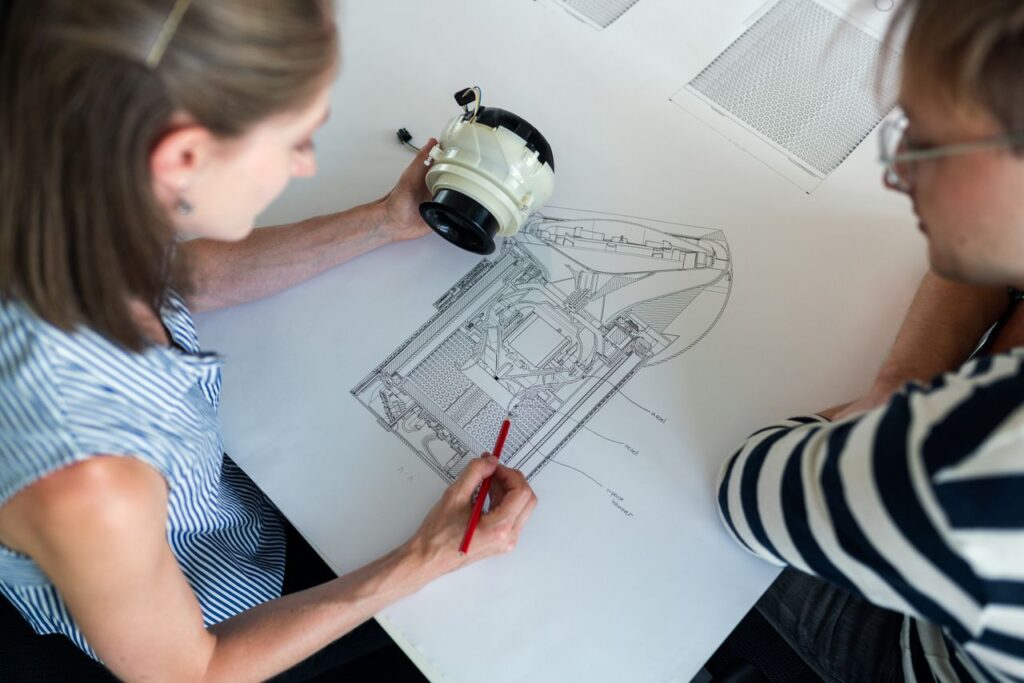
The best time to request a DFM review is before you finalize your CAD file. Ideally, this happens before you even ask for a quote.
Certain design details signal that a review is worth requesting. Watch for these red flags:
A DFM review typically includes:
Ready to see if your design is mold-ready? Contact us and request a free DFM review today!